



NJ TRANSIT to Add 8 Dual-Powered Locomotives
The Bombardier ALP-45A locomotives will replace some of the older PL-42AC series diesel locomotives in the agency’s fleet.
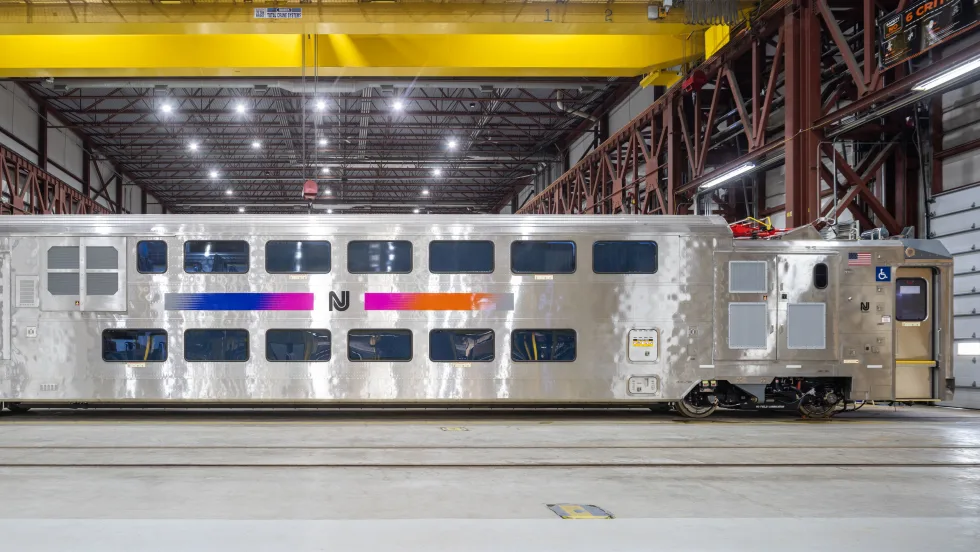
NJ TRANSIT’s board approved the purchase of eight additional ALP-45A dual-powered locomotives manufactured by Bombardier for a cost of approximately $70.5 million. The new locomotives will allow NJ TRANSIT Rail Operations to retire some locomotives in the fleet to increase mechanical reliability, improve on-time performance, provide operational flexibility, and promote a more sustainable planet for the future.
The new order for eight ALP-45A locomotives is in addition to the 17 approved at the December 2017 board meeting, bringing the total number of new ALP-45A dual-powered locomotives approved in recent years to 25.
The new dual-powered locomotives join hundreds of new railcars and buses the agency has ordered since 2018 to modernize the fleet and replace older equipment, including the purchase of 17 additional dual-powered locomotives, 113 new multilevel rail cars, and, joining our fleet this year, 119 new cruiser buses, and 110 new articulated buses.
The ALP-45A locomotives will replace some of the older PL-42AC series diesel locomotives in NJ TRANSIT’s fleet. The locomotives also feature upgraded diesel engines and an after-treatment system to meet the Environmental Protection Agency’s (EPA) Tier IV emissions requirements, further reducing the locomotive’s emissions when operating in diesel mode. By contrast, even if overhauled, the PL-42’s EMD 710 diesel engine cannot be upgraded to Tier IV.
Additionally, the ALP-45A’s can take advantage of operating in electric mode whenever overhead catenary is available, which is more cost-effective and environmentally friendly than diesel operation.
Replacing a Tier I locomotive with a Tier IV locomotive can result in an estimated emissions reduction of 52.0 NOx tons annually which supports NJ TRANSIT’s goal of a reduced carbon footprint.
Other benefits of the ALP-45As are self-rescue capability by changing power modes, redundancy by having two engines instead of one, improved diagnostic capabilities, and an upgraded pneumatic system. The ALP-45A locomotives are designed to operate push-pull passenger train service on both electrified and non-electrified lines at speeds of up to 125 mph in electric mode and up to 100 mph in diesel mode. The locomotives will meet the current EPA Tier IV requirements, reducing emissions compared to the locomotives to be replaced when operating in diesel mode, and producing no emissions when operating in electric mode. The ALP45As offer an increase in horsepower, acceleration, and available head-end power over the locomotives they will be replacing.
NJ TRANSIT expects delivery of the first ALP-45A locomotive from today’s order to be in the first quarter of 2022.
More Rail
NJ TRANSIT Approves $65.6M for Hudson-Bergen Light Rail Improvements
The funding marks the first phase of a planned $250 million investment over five years to modernize stations, overhaul vehicles, and improve system reliability and passenger safety.
Read More →
STraffic Expands North American Presence with Fare Collection Technology
John Moon, Associate Director, Product Strategy at STraffic, discusses the company's growth in North America, its efforts to reduce fare evasion, and more.
Read More →
Study: Denver RTD Generates $2.1 Billion in Annual Economic Activity
An economic impact study finds the agency supports approximately 17,500 jobs, delivers $1.6 billion in annual community and mobility benefits, and generates $2.42 in economic value for every dollar invested.
Read More →
Mark Aesch Nominated to Lead Federal Transit Administration
The former Rochester transit chief and TransPro founder, who has also contributed to METRO Magazine, brings decades of industry experience and a focus on performance, accountability, and financial sustainability to the nomination.
Read More →
Transit Expands Agency Partnerships, Reaching 200 Official App Partners
COO Jake Sion discusses Transit’s growth, the success of its Transit Royale program, and how technology is helping agencies improve the rider experience.
Read More →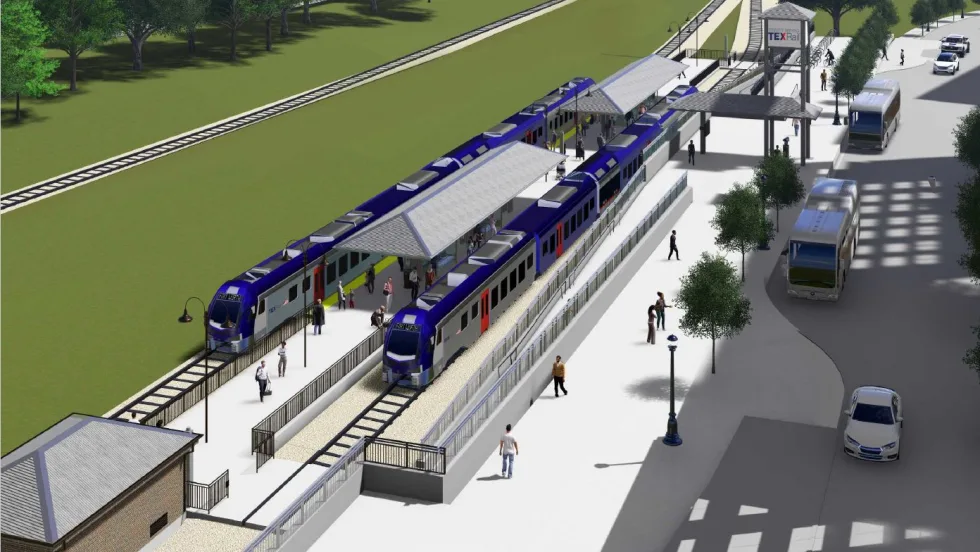
Trinity Metro Breaks Ground on $270M TEXRail Extension
The 2.1-mile extension will connect Fort Worth’s Medical District and Near Southside to downtown, surrounding communities, and Dallas-Fort Worth International Airport.
Read More →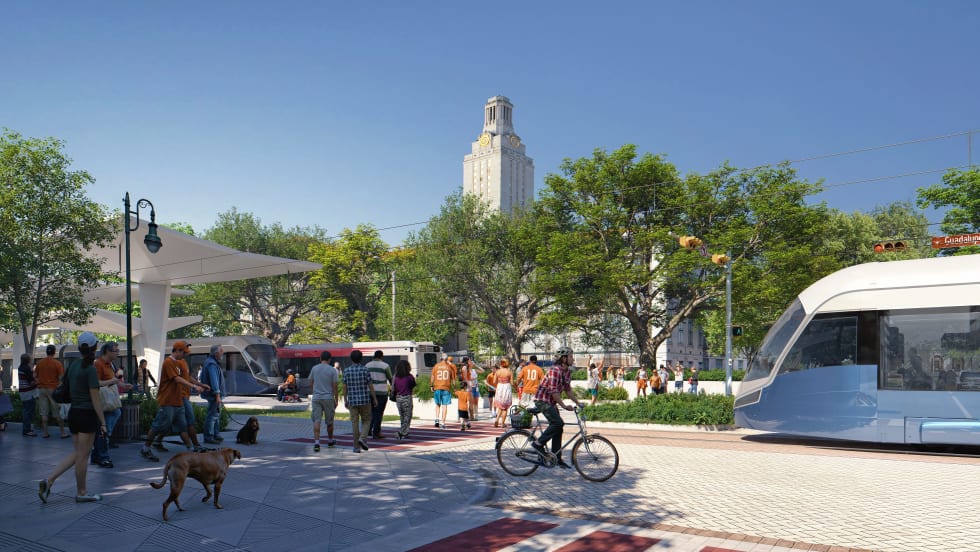
Bringing Austin’s First Light Rail System to Life
Austin Transit Partnership CEO Greg Canally discusses the city's nearly 10-mile light rail project, its collaborative approach to project delivery, the importance of community engagement, and the milestones ahead as construction approaches in 2027.
Read More →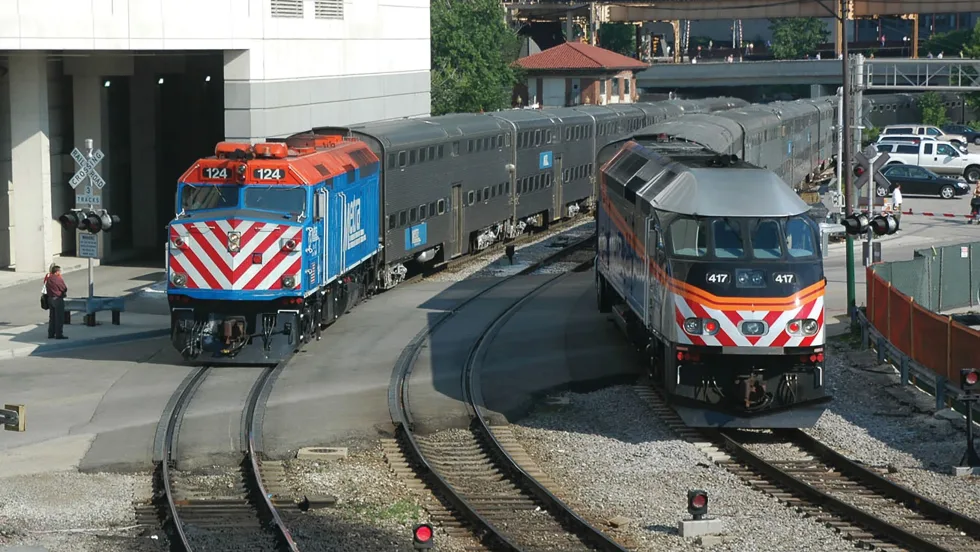
Metra Draft Plan Outlines Costs, Service Improvements for Regional Rail
The Systemwide Network Plan identifies infrastructure needs and potential investments to expand all-day, bidirectional rail service across the Chicago region.
Read More →
Amtrak Completes First Street Tunnel Upgrades, Restores Service
The nine-day construction project included replacing aging track infrastructure and modernizing switch systems near Washington Union Station.
Read More →
FRA Announces $2.3B for Passenger, Freight Rail Projects Nationwide
The CRISI Grant Program funding will support rail infrastructure improvements, safety upgrades, and projects aimed at improving freight and passenger rail service across 45 states and Washington, D.C.
Read More →