



Northeast, Mid-Atlantic U.S. to plan clean transportation strategies
Nine governors and the Mayor of D.C. will now begin crafting policies and programs to address transportation challenges, bolster mobility.



Nine Northeast and Mid-Atlantic governors and the Mayor of Washington, D.C. announced that their states will move forward with a regional clean transportation initiative.
These 10 members of the Transportation & Climate Initiative (TCI) will now transition from a year-long public comment phase, which engaged communities, businesses, and stakeholders across the region, to begin crafting policies and programs to address their transportation challenges, improve mobility, provide more transportation options, and curb the largest source of pollution that contributes to climate change.
The announcement marks the next big step for a handful of states and the District of Columbia that pledged to begin development of a regional policy during the Bonn Climate Change Summit in November 2017. With the addition of Pennsylvania Gov. Tom Wolf, Virginia Gov. Ralph Northam, and New Jersey Gov. Phil Murphy, the regional clean transportation initiative is demonstrating growth and strong momentum that could prompt more states to join in support of a regional plan.
“Our transportation system is in crisis, and fixing decades of neglect will require strong, aggressive leadership at all levels of government,” said Bruce Ho, sr. advocate, climate and clean energy, for the Natural Resources Defense Council. “This commitment from Northeast and Mid-Atlantic states to transform and modernize our aging transportation — from cleaner cars and trucks to more efficient buses, trains, and walkable and bikeable communities — will make us safer and healthier and help meet the transportation needs of all residents.
TCI's announcement comes on the heels of an announcement made earlier this week that the California Air Resources Board voted to mandate that all transit agencies in California operate 100% zero-emission transit buses by 2040, and to use the transition to invest in workforce development training programs in manufacturing, infrastructure installation, and maintenance.
More New Mobility

From Hardware to Digital Partner: Luminator Charts Its Next Chapter
CEO Magnus Friberg discusses Luminator’s shift toward becoming a digital partner, the growing importance of software and interoperability, and how AI can help agencies improve operations and passenger experience.
Read More →
Biz Briefs: Alstom Lands Canadian Contract, LYT to Supply California TSP, and More
In METRO's latest installment, we take a look at recent news from Complete Coach Works, Beep, FlixBus, and more partnerships making headlines across the transportation sector.
Read More →
CharterUP’s Armir Harris on Technology, AI, and the Future of Group Mobility
In a recent episode of METROspectives, CharterUP Founder/CEO Armir Harris discussed the company’s evolution from an online charter bus marketplace into a technology platform supporting public- and private-sector mobility and much more.
Read More →
Jacksonville’s NAVI Project Charts a New Course for Autonomous Public Transportation
Through its NAVI program, JTA is showing how autonomous vehicles, intelligent infrastructure, and coordinated operations can work together to deliver everyday public transportation.
Read More →
Biz Briefs: Luminator Marks Milestone and More
From manufacturers and suppliers to transit agencies and motorcoach operators, these updates offer a snapshot of the projects, partnerships and business moves driving the industry forward.
Read More →
New Tricks for Old Bureaucracies: Joshua Schank on Making Transit Innovation Stick
Former LA Metro Chief Innovation Officer Joshua Schank discusses why good ideas aren't enough, how transit agencies can overcome resistance to change, and why today's challenges demand more innovation.
Read More →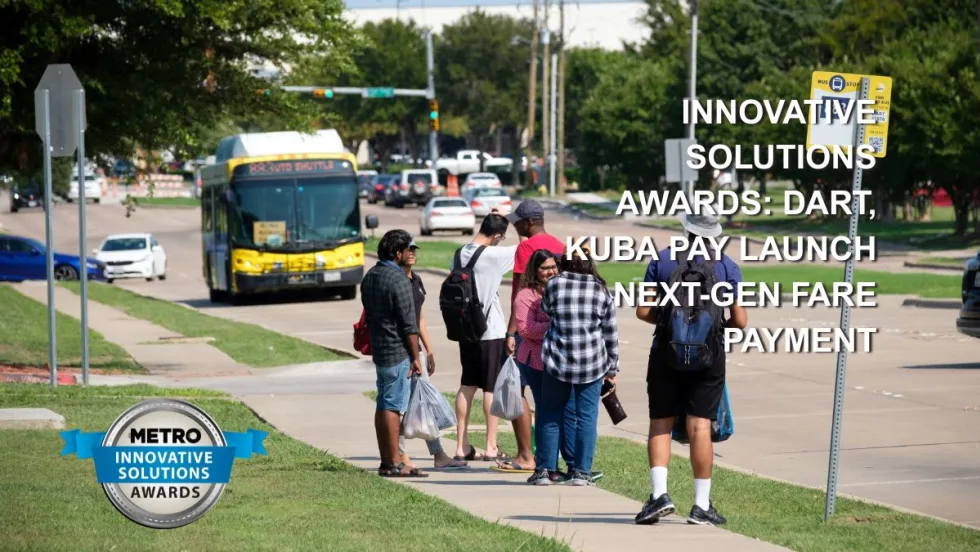
How DART's GoPass Is Redefining Regional Mobility
Serving 14 transit agencies, GoPass simplifies multimodal travel by allowing riders to plan, pay for, and manage an entire trip through one app.
Read More →
Biz Briefs: OCTA Taps Clean Energy for Hydrogen Station, Stadler to Supply Via Rail Vehicles, and More
From manufacturers and suppliers to transit agencies and motorcoach operators, these updates offer a snapshot of the projects, partnerships and business moves driving the industry forward.
Read More →CharterUP Expands Into New Mobility and Autonomous Transportation
Vice President of New Mobility Stephen Joos discusses how CharterUP is leveraging its nationwide transportation network, technology platform, and autonomous vehicle partnerships to expand into workforce mobility, campus shuttles, and transit solutions.
Read More →
METRO Magazine Announces 2026 Innovative Solutions Awards Winners
Projects Recognized for Advancing Mobility Through Technology, Accessibility, Workforce Innovation, and Operational Excellence
Read More →