



Obama signs ARRA provision
The new measure enables transit agencies to amend previously submitted applications to redirect ARRA funds toward operating needs.

On Wednesday, President Barack Obama signed a bill that includes a provision allowing public transit agencies to use up to 10 percent of their American Recovery and Reinvestment Act (ARRA) formula funds to cover operating costs.
The new measure enables transit agencies to amend previously submitted applications to redirect ARRA funds toward operating needs.
The following is a letter from Federal Transit Administrator Peter Rogoff:
Dear Colleague:
My thanks to all of you for your hard work and timely response in identifying "ready to go" capital projects to implement the American Recovery and Reinvestment Act of 2009 (ARRA). This unprecedented opportunity will serve as a critical step in addressing the tremendous need for capital investment in public transportation and maintaining our transit systems in a state of good repair.
I write today to call your attention to some added flexibility that is now being granted to FTA recipients of ARRA funds. Moments ago, President Obama signed the Supplemental Appropriations Act for 2009. This new law includes a provision allowing up to ten percent of each amount apportioned in the Recovery Act for the urbanized (Section 5307) and non-urbanized (Section 5311) formula programs to be used for operating assistance. This provision should provide some much needed relief to transit agencies that have been required to layoff employees and/or curtail service during this period of economic uncertainty.
Importantly, while this new law alters the eligible purposes of ARRA funds, it does not alter in any way the requirement that 50 percent of ARRA transit formula funds be obligated by September lSI. My goal is to ensure that no FTA grantee forfeit any funds for failure to comply with this deadline. So, FTA staff in the regions and in headquarters will continue to work with you to ensure the prompt obligation of these monies. This limited, mid-stream change in the eligible purposes of ARRA funds should not hinder our efforts. Should you choose to apply for or modify a grant to include eligible operating expenses, my staff in the regional offices is ready to help you decide the best way for you to proceed. The TEAM system has already been modified to allow for grants that include operating assistance. Consistent with the stated purposes of the Recovery Act, FTA will expect operating assistance dollars to be used for the purposes of job creation, job preservation, and service preservation.
Some information and instructions for applying for operating assistance under the ARRA have been posted to the FTA website at http://www.fta.dot.gov/index9440J0006.html.
If you still have questions regarding these procedures after consulting the website, please reach out to FTA's regional staff.
I am excited about the contributions public transportation is making to the American economic recovery and I appreciate your leadership in this area. If I can be of any further assistance on this or any other matter, please feel free to contact me,
Yours truly,
Peter Rogoff
More Bus
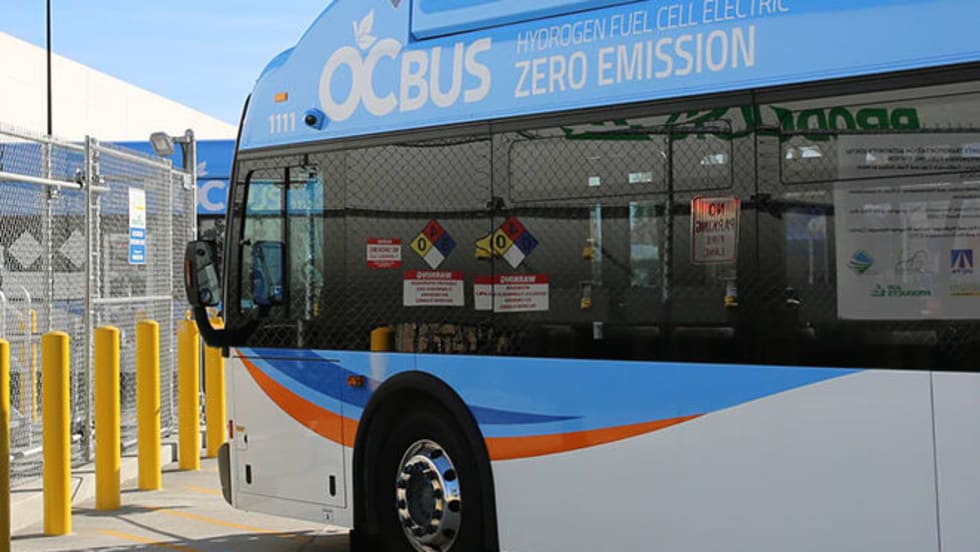
Biz Briefs: OCTA Taps Clean Energy for Hydrogen Station, Stadler to Supply Via Rail Vehicles, and More
From manufacturers and suppliers to transit agencies and motorcoach operators, these updates offer a snapshot of the projects, partnerships and business moves driving the industry forward.
Read More →
METRO Magazine Announces 2026 Innovative Solutions Awards Winners
Projects Recognized for Advancing Mobility Through Technology, Accessibility, Workforce Innovation, and Operational Excellence
Read More →
Biz Briefs: STV teams with Amtrak, Motorcoach Operators Boost Fleet and Land Contracts, and More
From manufacturers and suppliers to transit agencies and motorcoach operators, these updates offer a snapshot of the projects, partnerships and business moves driving the industry forward.
Read More →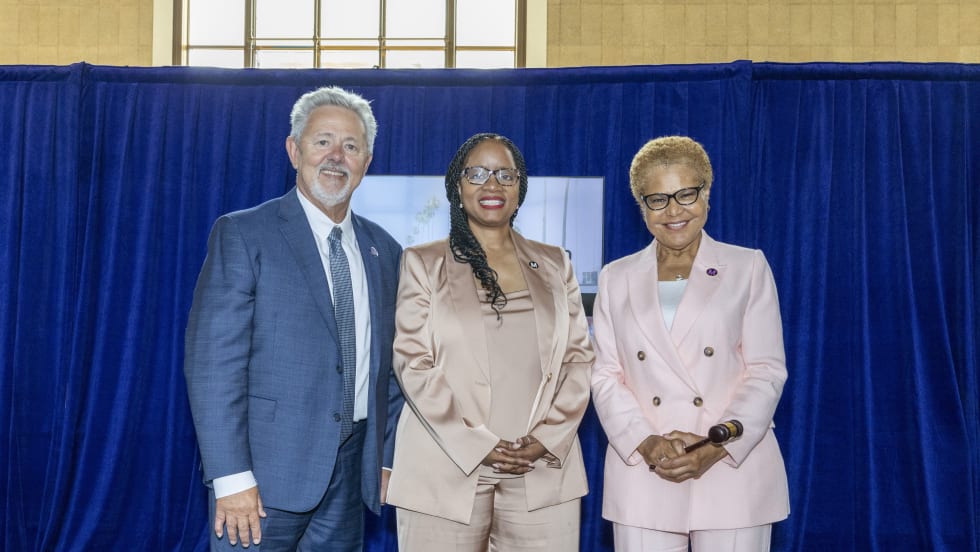
LA Metro Marks Banner Year, Sets Ambitious Goals for New Fiscal Year
Incoming LA Metro Board Chair and Los Angeles Mayor Karen Bass joined outgoing Board Chair Fernando Dutra and LA Metro CEO Stephanie Wiggins to review accomplishments from fiscal year 2026, which included the opening of new rail extensions, advancement of major transit projects, expanded safety programs, and new rider amenities.
Read More →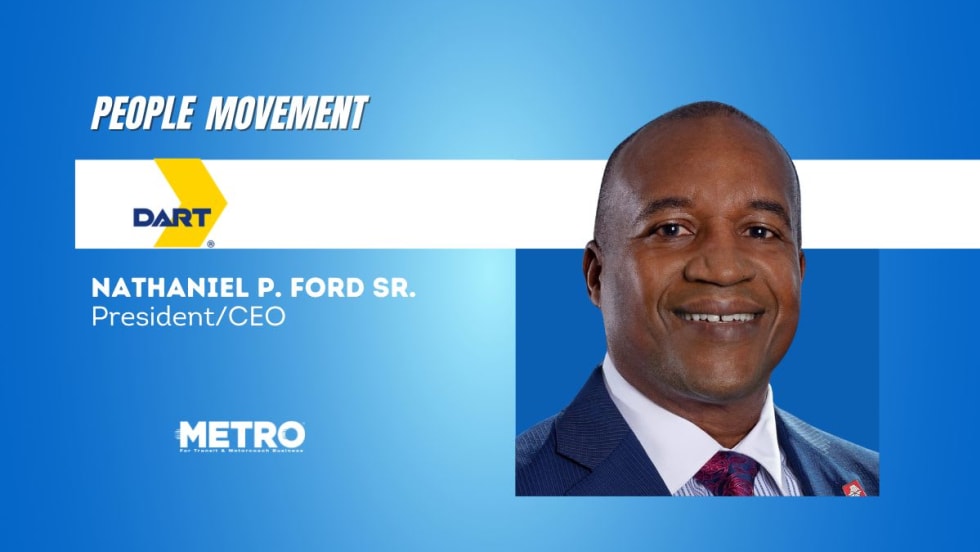
DART Taps Nathaniel P. Ford Sr. as Next President/CEO
Since 2012, Ford has served as the CEO of the Jacksonville Transportation Authority
Read More →
AC Transit’s Cecil Blandon on Building the Next Generation of Transit Maintenance Leaders
The agency’s maintenance chief discusses leadership, workforce development, zero-emission technology, and preparing technicians for the future of public transportation.
Read More →
Building the Next Generation of Transit Technology
In this edition of METROspectives, Luminator CEO Magnus Friberg discusses the company's transformation, the growing role of AI and software, and what's next for transit technology.
Read More →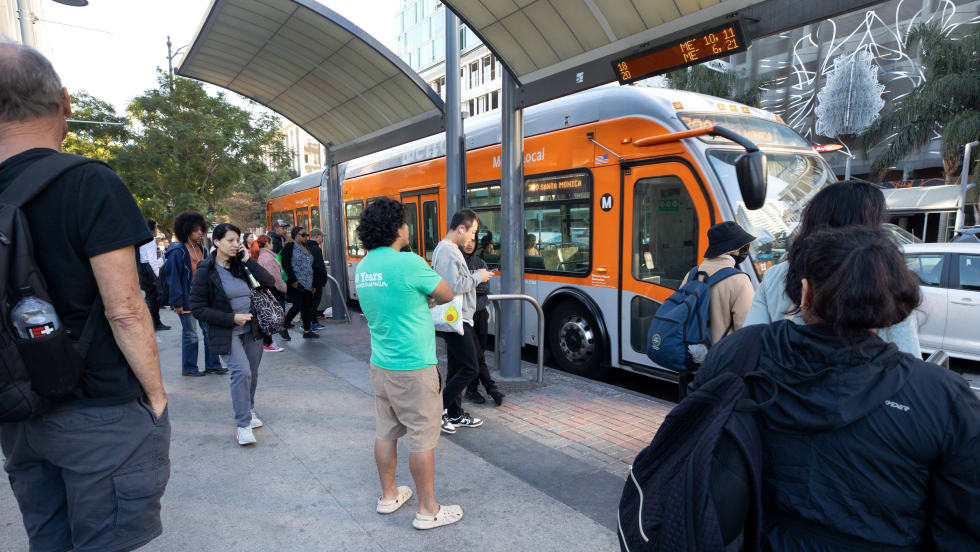
June LA Metro Ridership Surges 2 Million Year Over Year
Total June ridership increased for both weekdays and weekends. Weekday ridership was 953,820, which grew 8.4% from June 2025; Saturdays increased nearly 13% year-over-year to 708,826; and Sundays increased 7.7% to 611,534 from June 2025, according to LA Metro.
Read More →
Washington's Pierce Transit Board Sends Transit Funding Measure to November Ballot
With the adoption of Resolution 2026-006, the measure moves to the Pierce County Auditor, giving voters in the Pierce Transit service area the decision on whether to fund an expansion of local transit service within the agency’s service area.
Read More →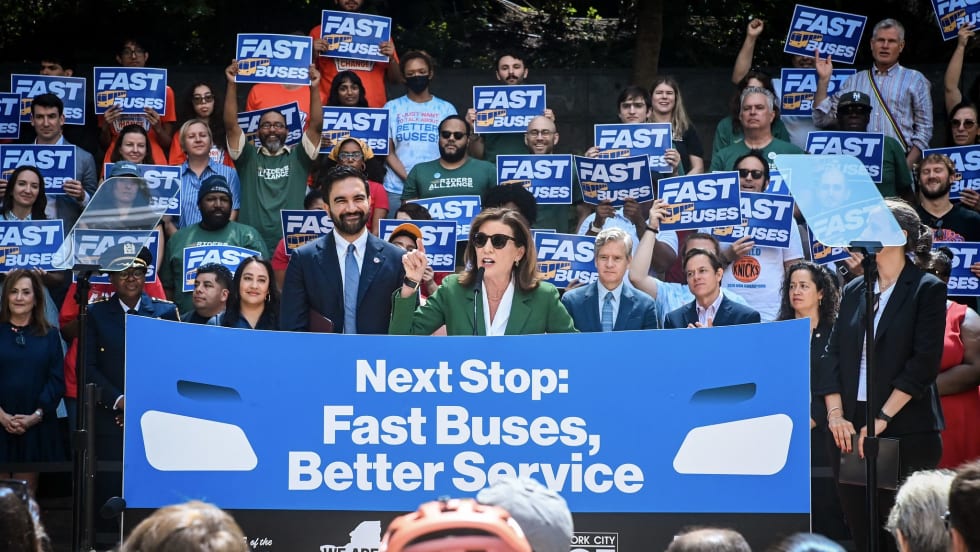
New York Unveils Sweeping Plan to Modernize City Bus Service
Next Stop: Fast Buses, Better Service identifies 50 priority bus corridors for improvements across the five boroughs and launches the City’s next generation of rapid bus service along five key routes.
Read More →