



Oregon introduces 2 new Talgo Series 8 trainsets
State DOT has spent $38.4 million for the purchase of the trainsets and another $6 million for consultants, spare parts, testing and the addition of Wi-Fi.

The Oregon Department of Transportation (ODOT) purchased two new Talgo Series 8 13-car trainsets using funds from the American Recovery and Reinvestment Act, with one of the trainsets available for tours at Union Station in Portland.
Both trainsets will soon rotate into the Amtrak Cascades fleet, which provides passenger rail service from Eugene, Ore. to Vancouver, B.C.
“I think it’s an indication of our affection for trains that we are the first in the world to use Talgo’s Series 8 trains,” ODOT Director Matt Garrett said. “It took an amazing partnership of both public and private organizations — and the support of train fans – to make this dream come true.”
Partners in the project include Washington Department of Transportation, Amtrak, Talgo America, Federal Transit Administration, Federal Rail Administration, Federal Highway Administration, Interfleet Engineers, Transport Canada, Oregon Department of Justice, Union Pacific & Burlington Northern/Santa Fe Rail, and others.
Oregon has spent $38.4 million for the purchase of the trainsets and another $6 million for consultants, spare parts, testing and the addition of Wi-Fi.
Oregon purchased its own trains to preserve passenger rail service in the Willamette Valley and to position the state for improved service in the future. Oregon’s trainsets will bring the total number of trains operating in the corridor to seven; the Washington Department of Transportation owns three and Amtrak owns two.
More Rail

Transit Expands Agency Partnerships, Reaching 200 Official App Partners
COO Jake Sion discusses Transit’s growth, the success of its Transit Royale program, and how technology is helping agencies improve the rider experience.
Read More →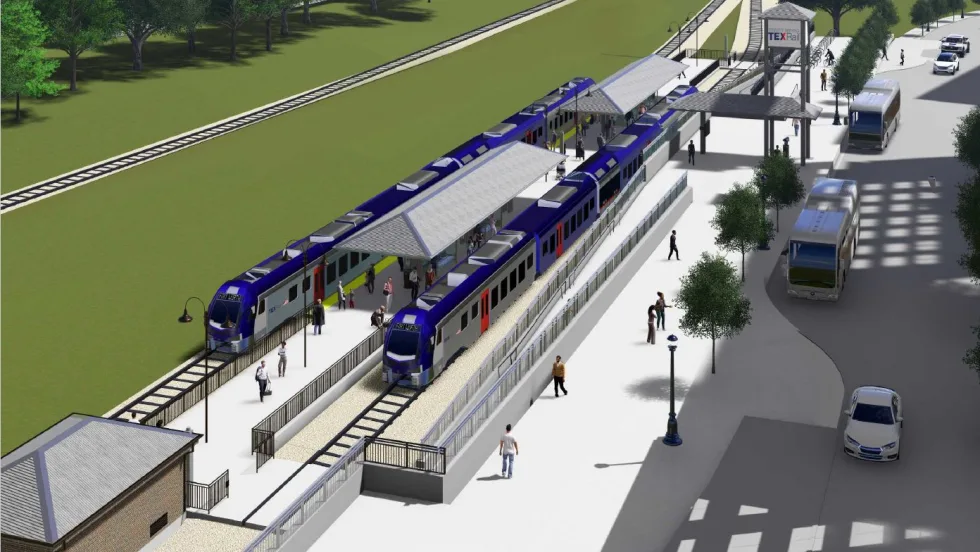
Trinity Metro Breaks Ground on $270M TEXRail Extension
The 2.1-mile extension will connect Fort Worth’s Medical District and Near Southside to downtown, surrounding communities, and Dallas-Fort Worth International Airport.
Read More →
Bringing Austin’s First Light Rail System to Life
Austin Transit Partnership CEO Greg Canally discusses the city's nearly 10-mile light rail project, its collaborative approach to project delivery, the importance of community engagement, and the milestones ahead as construction approaches in 2027.
Read More →
Metra Draft Plan Outlines Costs, Service Improvements for Regional Rail
The Systemwide Network Plan identifies infrastructure needs and potential investments to expand all-day, bidirectional rail service across the Chicago region.
Read More →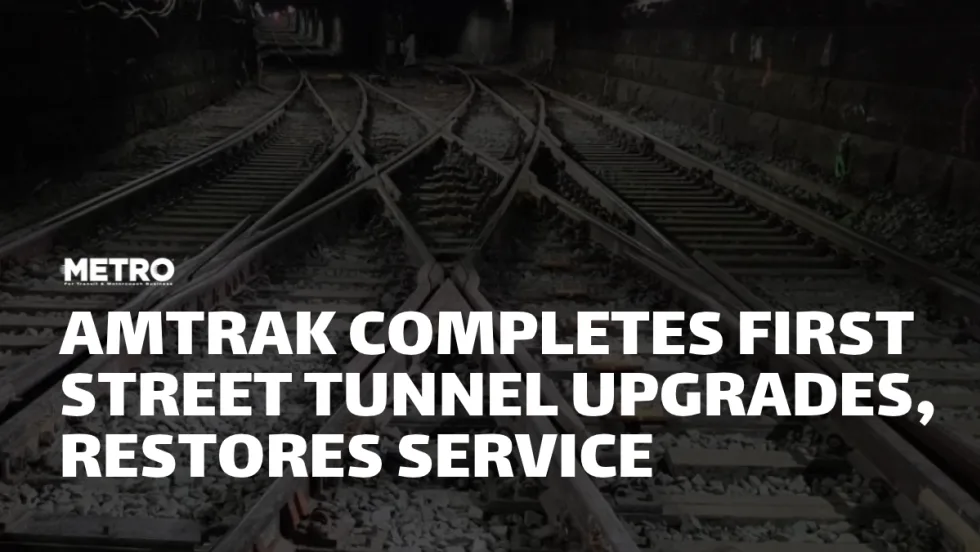
Amtrak Completes First Street Tunnel Upgrades, Restores Service
The nine-day construction project included replacing aging track infrastructure and modernizing switch systems near Washington Union Station.
Read More →
FRA Announces $2.3B for Passenger, Freight Rail Projects Nationwide
The CRISI Grant Program funding will support rail infrastructure improvements, safety upgrades, and projects aimed at improving freight and passenger rail service across 45 states and Washington, D.C.
Read More →
Caltrain’s Electrification Drives a New Era of Ridership Growth
The railroad’s shift to electric service has brought more frequent trains, stronger customer satisfaction, and increased ridership, earning it APTA’s Outstanding Public Transportation System award.
Read More →
FTA Advances $164M Broward County Commuter Rail Project
The proposed 10.5-mile commuter rail extension would connect Fort Lauderdale and Aventura, expanding passenger rail options in South Florida.
Read More →
New York MTA Launches Historic $1.9B Signal, Track Modernization Project
Funded in part by congestion pricing revenue, the project will replace nearly century-old signals along the A and C lines in Brooklyn and Queens.
Read More →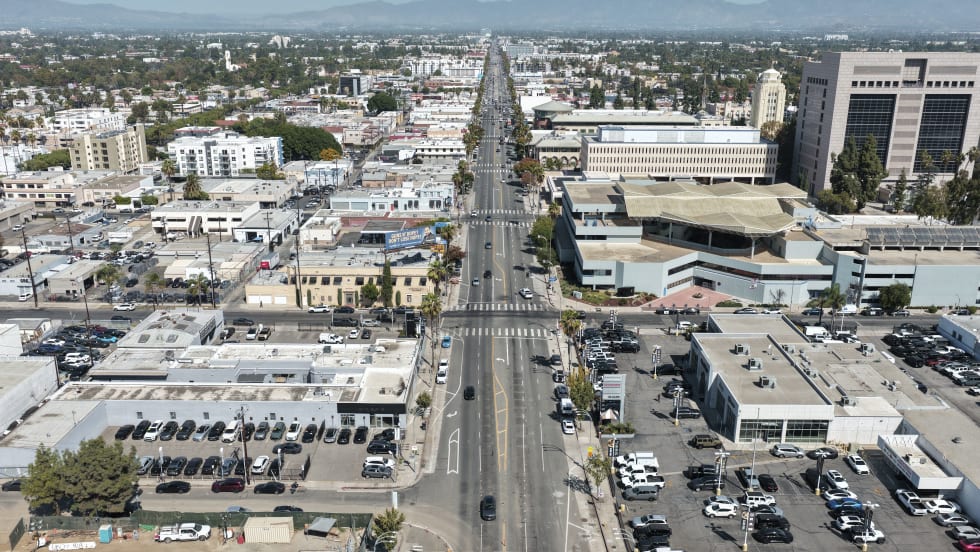
LA Metro Breaks Ground on East San Fernando Valley Light Rail Project
The 6.7-mile line will add 11 stations along Van Nuys Boulevard, expand access to jobs and regional transit connections, and support Metro’s broader efforts to improve mobility as rail ridership grows.
Read More →