



Pace board releases proposed budget
The proposed Regional ADA Paratransit operating budget adds up to $120.7 million, with a bit more than 78 percent of expenses stemming from service provided in Chicago, and close to 20 percent for suburban service. Ridership is again projected to grow as service changes in recent years have expanded capacity.

Despite the slow pace of the economy's recovery from recession, Chicago's Pace Board of Directors released a very stable and austere budget with virtually no impacts on riders in the form of fare increases or service cuts, including paratransit services.
"We've cut costs internally over the past few years to remain as efficient as possible while continuing to offer a high level of service to our customers, and that allows us to release a balanced budget that calls for no sacrifice on the part of riders," said Pace Chairman of the Board Richard Kwasneski.
The proposed Suburban Services operating budget, made up of fixed-route bus, vanpool, and dial-a-ride service totals $183.3 million and is balanced thanks to proactive steps taken during 2010. These cost controls offset growth in revenue over the past three years that has been essentially flat at just 1.1 percent, according to the agency.
Although Pace is prepared to use up to $2 million of capital funding to eliminate any operating expense deficit, that may not be necessary if sales tax collections- the primary source of operating funds- outpace current estimates.
The proposed Regional ADA Paratransit operating budget adds up to $120.7 million, with a bit more than 78 percent of expenses stemming from service provided in Chicago, and close to 20 percent for suburban service. Ridership is again projected to grow as service changes in recent years have expanded capacity, though per-trip costs continue to trend downward thanks to efficiencies that have also been implemented.
On the capital side, $4.7 million will be used to purchase new paratransit vehicles using capital funds that the local government released earlier this year. The purchase of these vehicles marks the first dedicated investment by Chicago in the ADA Paratransit capital program.
Public Hearings will take place during the last two weeks of October. The Board will review public comments received prior to approving the budget and submitting it in November to the RTA. In December, the RTA Board approves its final budget inclusive of the respective budgets from Pace, Metra and the Chicago Transit Authority.
More Paratransit

Biz Briefs: RIPTA Unveils New Frontrunners, Clevland RTA Adds New Siemens, and More
In METRO's latest installment, we take a look at recent news from Siemens, Prevost, Dodge, and more partnerships making headlines across the transportation sector.
Read More →
King County Metro Makes ADA Paratransit Easier to Navigate
METRO's Innovative Solutions Award winner replaces complex service-area descriptions with an accessible, interactive map that puts paratransit information directly in customers’ hands.
Read More →
Jacksonville’s NAVI Project Charts a New Course for Autonomous Public Transportation
Through its NAVI program, JTA is showing how autonomous vehicles, intelligent infrastructure, and coordinated operations can work together to deliver everyday public transportation.
Read More →
Driving Smarter Paratransit
John Hanlon shares how AlphaRoute is leveraging AI-powered technology to help paratransit providers optimize operations, support frontline staff, and enhance the rider experience.
Read More →
METRO Magazine Announces 2026 Innovative Solutions Awards Winners
Projects Recognized for Advancing Mobility Through Technology, Accessibility, Workforce Innovation, and Operational Excellence
Read More →
Biz Briefs: STV teams with Amtrak, Motorcoach Operators Boost Fleet and Land Contracts, and More
From manufacturers and suppliers to transit agencies and motorcoach operators, these updates offer a snapshot of the projects, partnerships and business moves driving the industry forward.
Read More →
Biz Briefs: Masabi Teams with St. Louis Metro and More
In METRO's latest installment, we take a look at recent news from Transdev, Hitachi, and more partnerships making headlines across the transportation sector.
Read More →
New York MTA Leverages Zoning Program to Advance Station Accessibility
Accessibility enhancements at Nevins St Station will be financed through a development agreement tied to the MTA's Zoning for Accessibility initiative.
Read More →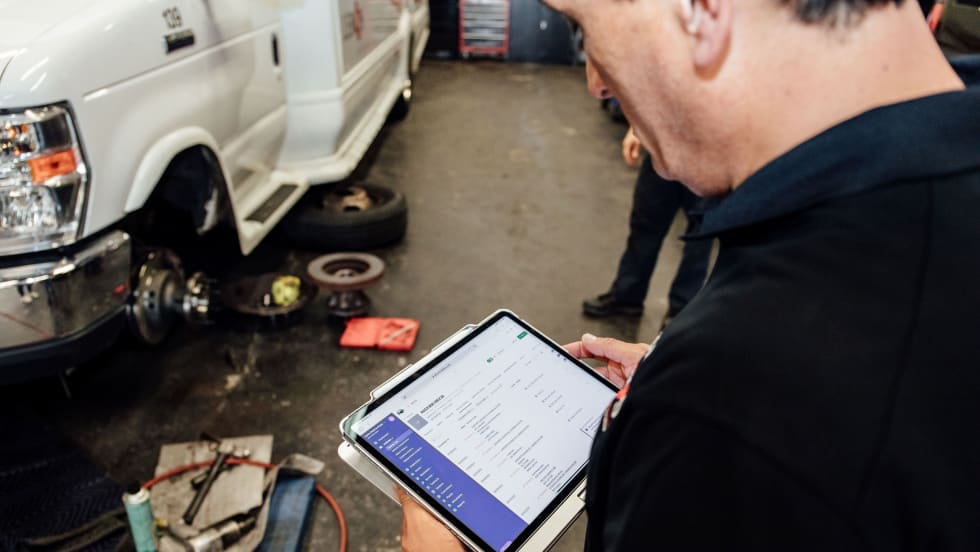
Reinventing Fleet Maintenance with Real-time Visibility and AI
Transit leaders need to know what needs fixing, where to look, who is responsible, when work is completed, and what it costs without having to chase information across disconnected systems.
Read More →
SamTrans Sets Priorities for Potential Connect Bay Area Revenue
The board-approved framework allocates future funding to maintaining service, rider improvements, equity initiatives, and infrastructure repairs.
Read More →