President/CEO Paul P. Skoutelas discussed how the public transportation industry is coping with the COVID-19 pandemic and that additional aid will be needed now and for the future.
The American Public Transportation Association (APTA) hosted a congressional briefing for the House Committee on Transportation and Infrastructure. APTA President/CEO Paul P. Skoutelas discussed with the Committee, virtually, how the public transportation industry is coping with the COVID-19 pandemic and that additional aid will be needed now and for the future.
"This crisis has demonstrated how essential public transportation is in keeping our society working, and the indispensable role it will play in America's social and economic recovery," said Skoutelas. “Recovering from COVID-19 and 'building back better' will be a collective effort. As essential as the CARES Act was to backstop our transit agencies and passenger rail authorities in the immediate aftermath of the COVID-19 closures, the need for additional Emergency Response and Recovery funding is clear — without additional support, some transit agencies could begin to run out of money by late summer."
Ad Loading...
"Public transportation is always an essential service, but during a global health crisis it's particularly important to make sure doctors, nurses, and other essential employees can get to work. In addition, many people need public transportation to get to the pharmacy, a doctor's office, the grocery store, and expect to be able to do so safely and efficiently," said Chairman of the House Committee on Transportation and Infrastructure Peter DeFazio (D-OR). "I am extremely grateful to all transit workers, and I'm glad to report the Committee was able to secure significant funding to help public transit agencies prevent, prepare for, and respond to the spread of COVID-19 during the recently-implemented CARES legislation. I want to thank APTA President Paul Skoutelas for briefing our Committee members on the state of public transportation and issues related to combating the spread of COVID-19. It's clear we must all continue to work together and be diligent in our fight against COVID-19 and to ensure the long-term success of public transit."
"Transit is not just an amenity important to our large cities, it's also how many living in our smaller cities continue to access groceries, dialysis, and essential jobs," said Rep. Rodney Davis (R-IL). "I appreciate APTA updating us on how the CARES Act has helped our transit system continue to serve those who rely on it and how they're protecting passengers and employees. This communication helps us better understand the challenges transit continues to face and how we can work together to keep this essential service moving."
Speaking to Chairman DeFazio, Ranking Member Davis, and the Committee Members, Skoutelas noted that APTA's members are using the overwhelming majority of CARES Act funding to maintain their workforce and avoid layoffs. However, given the enormous farebox, state and local sales tax, parking, and other revenue losses, the CARES Act funding will only keep transit agencies afloat for a matter of months. APTA is currently analyzing the national need for additional funds and urges lawmakers to provide Emergency Response and Recovery funding for the public transportation industry above what was provided in the CARES Act.
Skoutelas also urged the Committee to continue to press forward on the Surface Transportation Authorization bill. APTA believes a long-term authorization bill is critical to jumpstart construction of public transit projects and restore the nation's economy.
In this conversation, TBC’s Executive Director Ed Redfern, President Corey Aldridge, and Washington Representative Joel Rubin outline the coalition’s key policy priorities, the challenges facing transit agencies, and how industry stakeholders can work together to strengthen the voice of bus transit at the federal level.
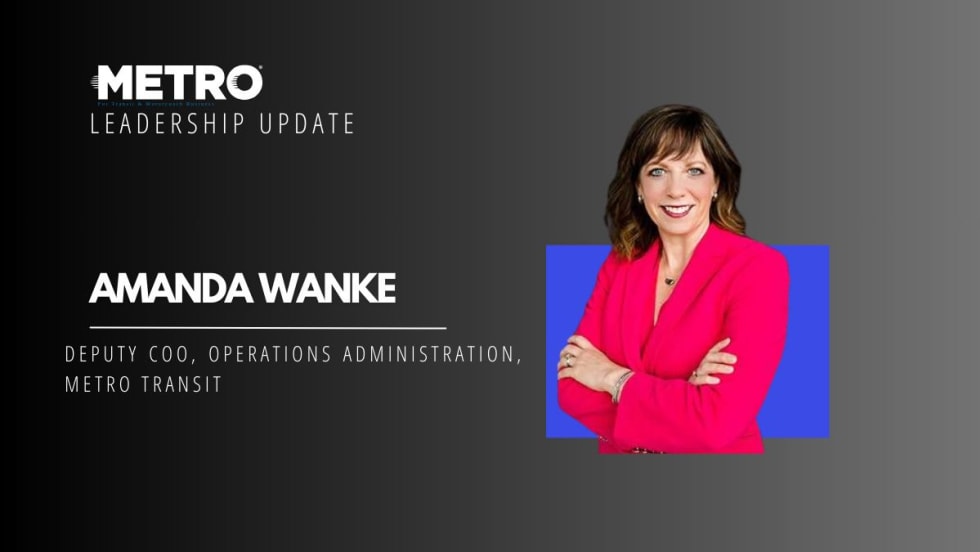
Amanda Wanke, who has worked at DART for 10 years, including the past 2½ years as CEO, will join Metro Transit as deputy chief operating officer, operations administration.
In his first State of CDTA address as CEO, Frank Annicaro highlighted the organization’s continued focus on delivering reliable service, investing in innovation, and strengthening connections across the region.
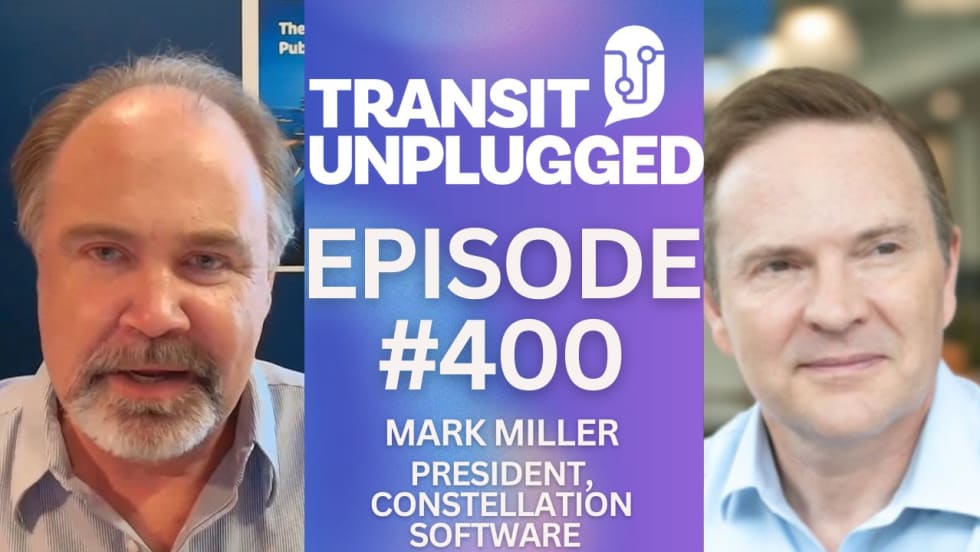
The special episode features an exclusive interview with Mark Miller, president of Constellation Software Inc. and executive chairman of the Volaris Group, who reflects on the podcast's early vision and the importance of creating a platform where transit leaders can share ideas and learn from one another.
The CAD facility enables NFI to complete full domestic production of heavy-duty transit vehicles, including zero-emission buses, in Winnipeg for the first time in 15 years.
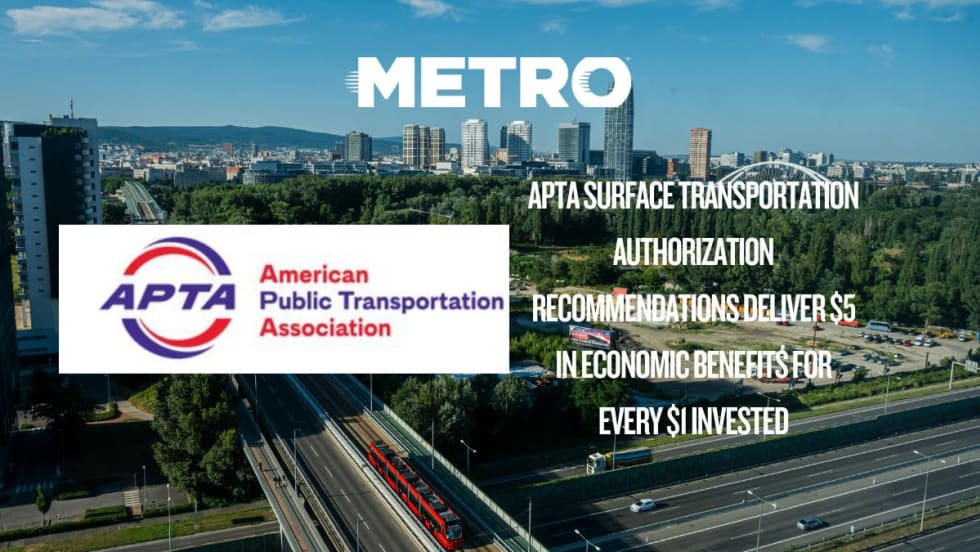
The findings provide clear evidence that sustained Federal investment in public transit and passenger rail delivers significant returns for workers, communities, taxpayers, and the U.S. economy, APTA officials said.
On a recent episode of METROspectives, METRO Magazine’s Executive Editor Alex Roman sat down with Ana-Maria Tomlinson, Director of Strategic & Cross-Sector Programs at the CSA Group, to explore a bold initiative aimed at addressing those challenges: the development of a National Code for Transit and Passenger Rail Systems in Canada.