



Poll finds strong support for transportation modernization in eastern region
Support ranged from a high of 71% in New York to a low of 60% in Virginia.

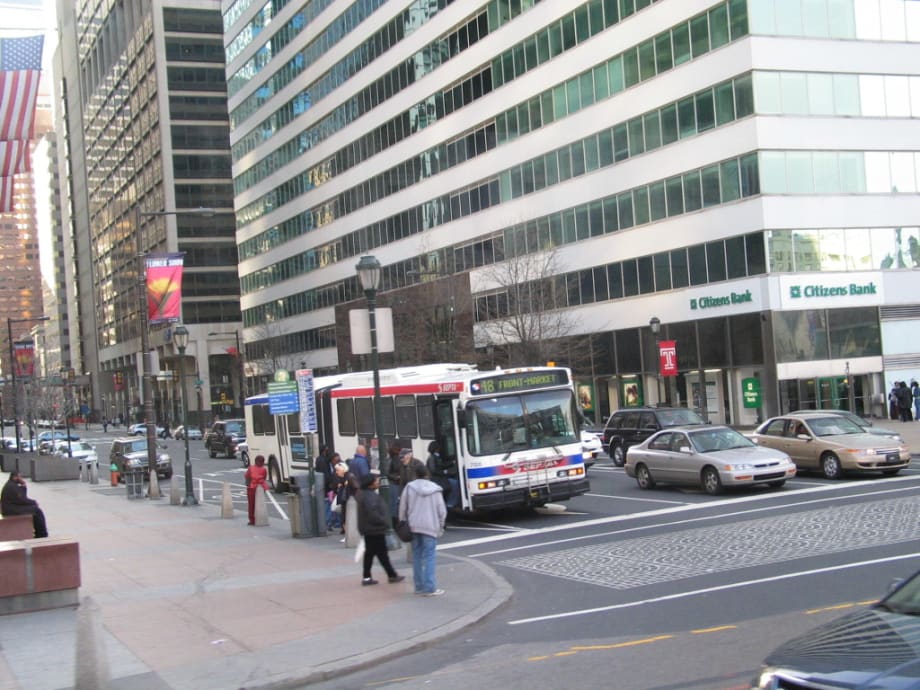
Overall, 66% of voters said they would support a policy to modernize the region's transportation network, while 23% were opposed.
tramrunner229
Overall, 66% of voters said they would support a policy to modernize the region's transportation network, while 23% were opposed.
tramrunner229
A new survey from MassINC Polling Group shows that 66% of voters in seven Eastern states support modernizing the region’s transportation network.
The research surveyed registered voters in the seven largest states at the TCI table: Connecticut, Maryland, Massachusetts, New Jersey, New York, Pennsylvania, and Virginia. Overall, 66% of voters said they would support the policy, while 23% were opposed. Support ranged from a high of 71% in New York to a low of 60% in Virginia. The MassINC Polling Group survey was conducted November 12 to 19, 2019 among 6,395 registered voters.
Across nearly every demographic group, more voters support than oppose their state joining in the program. Support was highest about younger voters (78%), non-white voters (75%), and lower income voters. Women (69%) were slightly more supportive than men (63%). The partisan gap was smaller than is seen on many issues in the current polarized climate, with Democratic support outpacing Republican support.
Voters were also asked to rate several potential uses for the funds generated by the proposed program. While majorities supported each item, two rose to the top overall and across the seven states polled: improving public transit and protecting transportation infrastructure from the effects of climate change. Generally, investing the proceeds of the program in existing infrastructure was favored over seeding newer technologies like electric vehicles, targeting communities most effected by pollution, or insulating drivers from higher costs at the pump.
The polls also asked voters about their views of climate change:
73% of voters across the region think climate change is probably happening.
Among those, 85% think it is due at least in part to human activity.
66% think climate change will be a serious problem for their state if left unchecked.
57% think the federal government is doing too little to address climate change.
44% think the same of their own state government.
Voters also understand that transportation is contributing to climate change. When asked to rank six sectors of their state’s economy based on their greenhouse gas emissions, 65% ranked transportation first or second.
Despite all this, only 48% cited addressing climate change as a “major priority” for state government in their state. More (64%) considered improving roads, highways, and bridges a major priority, just below health care costs (73%) and jobs and the economy (71%).
To view the report, click here.
More New Mobility

From Hardware to Digital Partner: Luminator Charts Its Next Chapter
CEO Magnus Friberg discusses Luminator’s shift toward becoming a digital partner, the growing importance of software and interoperability, and how AI can help agencies improve operations and passenger experience.
Read More →
Biz Briefs: Alstom Lands Canadian Contract, LYT to Supply California TSP, and More
In METRO's latest installment, we take a look at recent news from Complete Coach Works, Beep, FlixBus, and more partnerships making headlines across the transportation sector.
Read More →
CharterUP’s Armir Harris on Technology, AI, and the Future of Group Mobility
In a recent episode of METROspectives, CharterUP Founder/CEO Armir Harris discussed the company’s evolution from an online charter bus marketplace into a technology platform supporting public- and private-sector mobility and much more.
Read More →
Jacksonville’s NAVI Project Charts a New Course for Autonomous Public Transportation
Through its NAVI program, JTA is showing how autonomous vehicles, intelligent infrastructure, and coordinated operations can work together to deliver everyday public transportation.
Read More →
Biz Briefs: Luminator Marks Milestone and More
From manufacturers and suppliers to transit agencies and motorcoach operators, these updates offer a snapshot of the projects, partnerships and business moves driving the industry forward.
Read More →
New Tricks for Old Bureaucracies: Joshua Schank on Making Transit Innovation Stick
Former LA Metro Chief Innovation Officer Joshua Schank discusses why good ideas aren't enough, how transit agencies can overcome resistance to change, and why today's challenges demand more innovation.
Read More →
How DART's GoPass Is Redefining Regional Mobility
Serving 14 transit agencies, GoPass simplifies multimodal travel by allowing riders to plan, pay for, and manage an entire trip through one app.
Read More →
Biz Briefs: OCTA Taps Clean Energy for Hydrogen Station, Stadler to Supply Via Rail Vehicles, and More
From manufacturers and suppliers to transit agencies and motorcoach operators, these updates offer a snapshot of the projects, partnerships and business moves driving the industry forward.
Read More →CharterUP Expands Into New Mobility and Autonomous Transportation
Vice President of New Mobility Stephen Joos discusses how CharterUP is leveraging its nationwide transportation network, technology platform, and autonomous vehicle partnerships to expand into workforce mobility, campus shuttles, and transit solutions.
Read More →
METRO Magazine Announces 2026 Innovative Solutions Awards Winners
Projects Recognized for Advancing Mobility Through Technology, Accessibility, Workforce Innovation, and Operational Excellence
Read More →