



Propane Autogas Makes the Case for Clean, Cost-Effective Fleet Operations
Fleet operators looking for reliable, low-emission, and budget-friendly fuel solutions got a deep dive into propane autogas during METRO Magazine’s recent webinar, “Driving Efficiency: Unlocking the Power of Propane Autogas for Your Fleet,” presented by PERC.

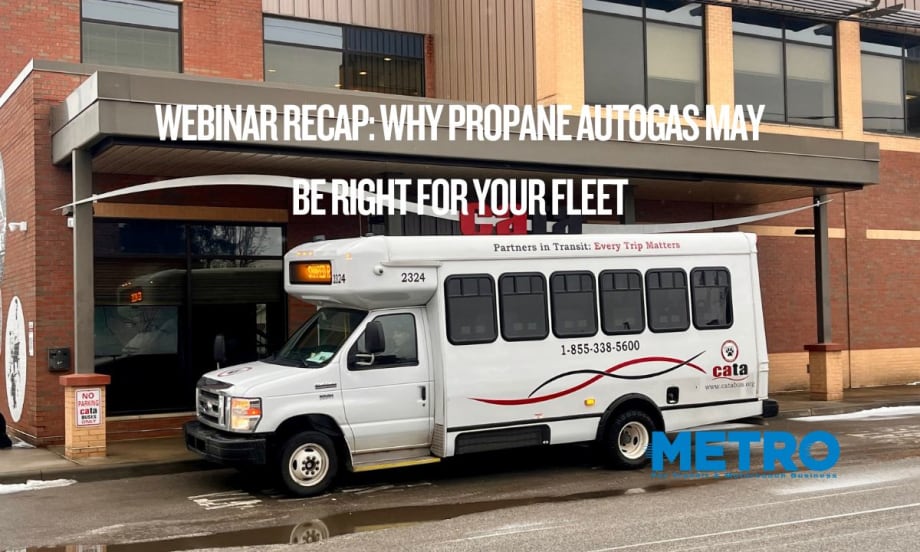
METRO Executive Editor Alex Roman hosted the session, which featured Joel Stetheit, PERC’s senior manager of autogas business development and former transportation director at Bethel School District in Washington State.
Photo: PERC
Fleet operators looking for reliable, low-emission, and budget-friendly fuel solutions got a deep dive into propane autogas during METRO Magazine’s recent webinar, “Driving Efficiency: Unlocking the Power of Propane Autogas for Your Fleet,” presented by the Propane Education & Research Council (PERC).
METRO Executive Editor Alex Roman hosted the session, which featured Joel Stutheit, PERC’s senior manager of autogas business development and former transportation director at Bethel School District in Washington State.
Drawing on over two decades of experience in fleet management, Stutheit highlighted the real-world benefits of propane autogas, from reduced maintenance costs to long-term sustainability gains.
Key Takeaways from the webinar include:
Propane-powered vehicles offer a lower total cost of ownership compared to diesel and gasoline alternatives, with many fleets realizing ROI in as little as two to three years.
Maintenance savings are significant: propane engines require less oil, fewer filters, and eliminate the need for costly diesel aftertreatment systems.
Fleets across sectors, including school districts, transit agencies, national parks, and corporate operators, are turning to propane to meet performance and emissions goals.
Fueling infrastructure is scalable and cost-effective, with options ranging from temporary mobile units to permanent on-site stations.
Renewable propane is emerging as a future-forward solution, supporting deeper carbon reductions while using existing infrastructure.
Propane Fueling Infrastructure
Stutheit also addressed infrastructure planning, training for maintenance teams, and incentive opportunities to support adoption.
He emphasized that propane is grid-independent, making it especially attractive for fleets operating in remote areas or regions vulnerable to power disruptions.
“Propane is a clean, reliable, and proven fuel that’s already powering over 60,000 vehicles across the country,” said Stutheit. “Whether you're running school buses, paratransit, or commercial fleets, propane offers long-term value without sacrificing performance.”
Attendees left with a clearer understanding of evaluating their fleets, estimating potential savings, and taking the first steps toward integrating propane into their operations.
Missed the webinar? A full recording is available here.
More Technology

From Hardware to Digital Partner: Luminator Charts Its Next Chapter
CEO Magnus Friberg discusses Luminator’s shift toward becoming a digital partner, the growing importance of software and interoperability, and how AI can help agencies improve operations and passenger experience.
Read More →
Beyond the Checklist: A Structured Approach to Transit Maintenance
Reliability-Centered Maintenance helps transit agencies move beyond routine checklists to focus limited resources on the assets and failures that have the greatest impact on safety, reliability, and service.
Read More →
NJ TRANSIT Advances Bus Technology Upgrades Across Statewide Fleet
More than 1,500 buses now feature upgraded technology designed to improve arrival predictions and provide free Wi-Fi, with deployment expected to reach nearly 2,000 buses by the end of 2026.
Read More →

Building a Flexible Path to Transit Electrification
John Hroncich discusses BAE Systems’ modular and scalable approach, lessons learned from decades of real-world operations, and how agencies can identify electrification strategies that fit their fleets.
Read More →
Biz Briefs: Alstom Lands Canadian Contract, LYT to Supply California TSP, and More
In METRO's latest installment, we take a look at recent news from Complete Coach Works, Beep, FlixBus, and more partnerships making headlines across the transportation sector.
Read More →
From Legacy Silos to Conversational Intelligence
What if transit leaders could ask any operational question and get a trusted answer in seconds? Conversational AI is transforming how agencies use their data.
Read More →
USDOT Announces Rail Vehicle Replacement Grants, Chattanooga AV Shuttle Funding
More than $191 million in federal funding will help three transit agencies replace aging rail vehicles and support a new autonomous shuttle service in Chattanooga.
Read More →
Bus Tech Talk: Keeping Transit Technicians Ahead of the Technology Curve
LA Metro’s Obed Mejia discusses technician training, evolving maintenance technology, fleet replacement, and strategies for getting the most out of today’s transit fleets.
Read More →
Biz Briefs: RIPTA Unveils New Frontrunners, Clevland RTA Adds New Siemens, and More
In METRO's latest installment, we take a look at recent news from Siemens, Prevost, Dodge, and more partnerships making headlines across the transportation sector.
Read More →
Why Simulating Pedestrian Movement Has Become Essential for Modern Rail Stations
Pedestrian microsimulation is helping rail planners identify bottlenecks, test station designs, and prepare complex transit hubs for growing passenger volumes.
Read More →