



Proposals to eliminate transit funding would cost U.S. $227 billion
More than 350 organizations in communities across the country call on Congress to "Stand Up for Transportation" and invest long-term in the nation's transportation infrastructure.

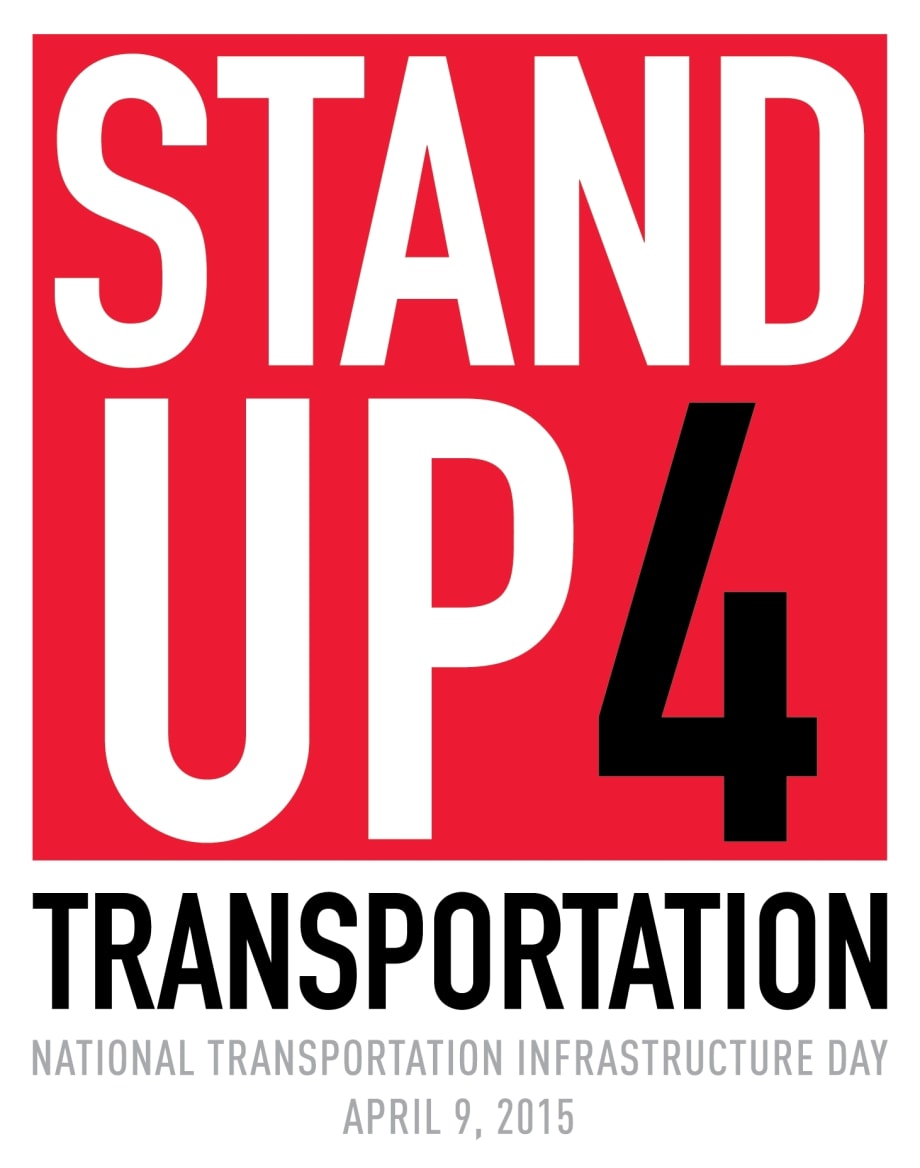

Two proposals introduced in Congress to eliminate federal funding for public transportation would be disastrous for local communities and their economies, according to a new analysis developed by the American Public Transportation Association (APTA). The analysis shows that proposals to cut federal funding for public transit would result, on average, in a 43 percent reduction in a community's capital improvement funding. Overall, the loss of federal capital and operating funding would put at risk more than $227 billion in economic activity over six years.
The loss of federal funds would impact the reliability and safety of bus and train service as well as jeopardize new services and projects. Specifically:
• 38,000 buses or 57 percent of the nation's public transit bus fleet would not be replaced.
• Overall, 66 new public transit projects could be stalled. Many of these projects serve as a catalyst for economic development in every region of the country.
• Rail maintenance, expansion and rail car replacement would be significantly impacted.
• Small and rural communities would be adversely affected because a greater percentage of their total funding is from the federal government.
"A lack of federal funding for my system in Denver would be devastating because in just one year it would result in a 15 percent cut in public transit service, and a $74 million cut in my budget which translates directly to job losses in both the private and public sector," said Phillip A. Washington, APTA Chair and General Manager and CEO of Denver Regional Transportation District. "Our country has been on a vacation from investing long-term in our infrastructure. That is why we are mobilizing citizens today across the country to 'Stand Up for Transportation'. It is time to stop the madness and Congress needs to commit to investing long-term in our public transit and road infrastructure."
There are two proposals in Congress that eliminate public transit funding from the Highway Trust Fund. Under both scenarios, the association says it would be disastrous for local communities and their public transportation systems.
"Support for the nation's transportation systems is a partnership among local, state, and the federal government with 73 percent of the funds for public transit going to create and support private sector jobs," said APTA President & CEO Michael Melaniphy. "We must address our growing public transit ridership, which reached 10.8 billion trips in 2014, the largest in 58 years. Without federal investment, there will be negative impacts in towns small and large. In fact, states with some of the highest proportions of rural residents will see the greatest percentage of their total funding eliminated for their local public transportation systems."
The loss of the federal transit program would mean a $13.8 billion hit to rural economies over the next six years, according to APTA's analysis. Seventeen states, which have some of the highest proportions of rural residents, receive 40 percent or more of their public transportation funding from the federal government. Public transit systems in small towns and rural areas are critical for those without other alternative forms of transportation and for Americans with disabilities.
Congressional inaction is also contributing to the severe backlog of $88 billion in improvements needed to bring America's aging public transit infrastructure into a state-of-good-repair.
To spur Congress to take action, more than 350 organizations, community groups, elected officials, business leaders and citizens in nearly every state throughout the U.S. are participating in the nationwide "Stand Up for Transportation Day." Today civic leaders and advocates across the country are highlighting the urgent need for Congress to invest in public transit and renew funding for the federal transportation program, called Moving Ahead for Progress in the 21st Century Act (also known as MAP-21), before the program is set to expire on May 31.
The APTA analysis highlights the critical role of the federal partnership in public transportation funding and to the growth of local communities and their mobility, particularly when the data are analyzed from a regional perspective. The Northeast has some of the largest projects in the nation. The loss of federal funding would result in $73 billion in lost economic activity, and more than 11,000 buses would not be replaced.
The South would lose nearly $37 billion to its economy, and more than 6,500 buses would not be replaced; the Midwest $31.2 billion and 6,100 buses; the Far West $22.9 billion and 5,000 buses; and the West Coast $63.9 billion, and 10,000 buses would not be replaced.
"The clock is ticking. It is time to stand up for our transportation infrastructure," said Melaniphy. "We will continue to rally citizens, our partners and business and community leaders to stress that Congress must act now to continue to fund public transportation and to pass comprehensive, long-term federal legislation that provides for repairing, maintaining, and expanding America's public transportation, roads, bridges, and rail systems."
To read the analysis and see the local impacts of the loss of federal funding, go to: http://www.apta.com
To be a part of the movement and to learn more go to: www.standup4transportation.org
More Management

People Movement: ABC Names John Walsh as Chief Commercial Officer
In this edition, METRO also covers recent appointments and announcements at the DART, STV, and more, showcasing the individuals helping to shape the future of transportation.
Read More →
From Surviving to Thriving: Building Stronger Transportation Organizations
Bus Business Consultants founder Brian Dickson shares lessons on leadership, organizational health, and creating options for long-term success in a changing transportation industry.
Read More →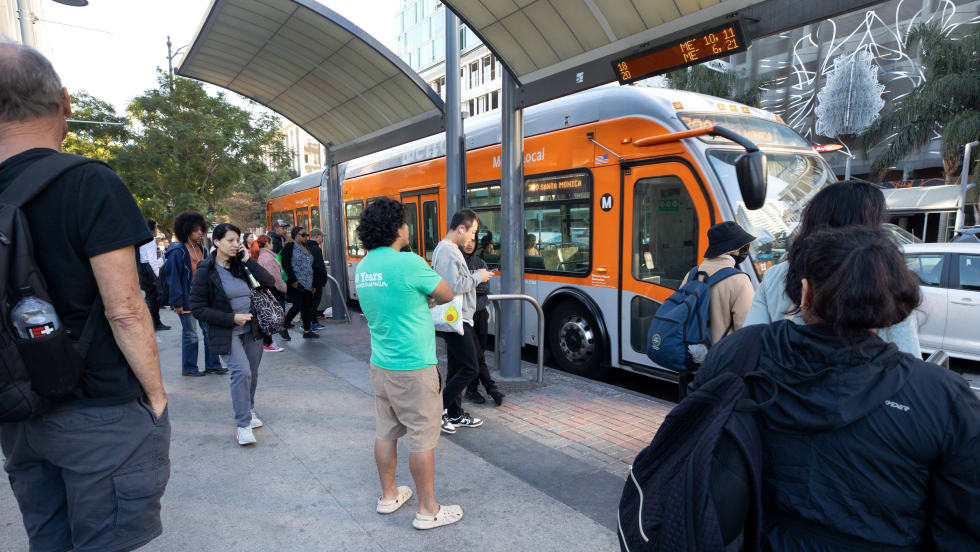
LA Metro Ridership Continues Growth as Rail Gains Accelerate
New rail connections and major events help drive continued ridership gains, with Metro recording its eighth consecutive month of year-over-year rail growth.
Read More →
TransDASH Summit Focuses on Measuring What Matters in Transit
Transit agencies unveil a national performance platform designed to benchmark customer experience, safety, community value, and other outcomes.
Read More →
Jacksonville’s NAVI Project Charts a New Course for Autonomous Public Transportation
Through its NAVI program, JTA is showing how autonomous vehicles, intelligent infrastructure, and coordinated operations can work together to deliver everyday public transportation.
Read More →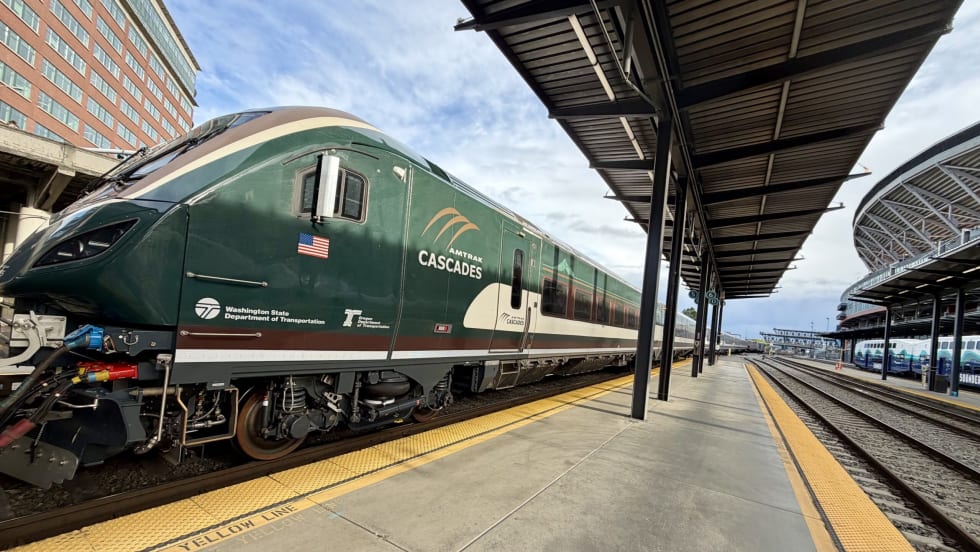
FRA Announces $5.3B in Rail Investments, Including $2B for Amtrak
Funding will support grade-crossing improvements, infrastructure upgrades, and new Amtrak equipment in 23 states.
Read More →
Finding the ‘Happy Medium’: Optimizing Maintenance Without Sacrificing Reliability
The key to maintenance optimization isn’t doing less work—it’s doing the right work at the right time on the right assets.
Read More →
People Movement: MARTA Drops Interim Tag on GM/CEO Hunt and More
In this edition, METRO covers recent appointments and announcements at the FMCSA, HDR, SilverRide, and more, showcasing the individuals helping to shape the future of transportation.
Read More →
VIA Metropolitan Transit Reports 2 Million More Passenger Trips as Better Bus Plan Gains Momentum
San Antonio's transit agency said accelerated service improvements are driving ridership growth, offering another example of how increased frequency and workforce investments can translate into stronger transit performance.
Read More →
ABAF Study Reveals Growing Insurance Crisis for Motorcoach Operators
Preliminary findings show 98% of operators faced premium increases over the past five years, while shrinking insurer participation is putting added pressure on businesses and customers.
Read More →