



Quester Tangent launches program to manage end-of-life products
This strategic initiative gives the company the ability to proactively identify and notify customers about EOL issues in their in-service products and components.



Quester Tangent, supplier of train electronics and software solutions for the passenger rail transportation industry, launched its product End-of-Life (EOL) management program to maintain its long-term support commitments.
This strategic initiative gives Quester Tangent (QT) the ability to proactively identify and notify customers about EOL issues in their in-service products and components. Supported by a suite of processes and tools, this program regularly monitors electronic components in active designs for End-of-Life concerns. Once component issues are identified, product and customer impact is evaluated and action plans are developed to address the needs for the installed base.
RELATED:Quester Tangent, Alstom sign global framework agreement
“We’ve showcased our lifecycle commitment by having never terminated the long-term support of a product in Quester Tangent’s 20 year history,” said Stephen McKay, President/CEO at Quester Tangent. “This new initiative solidifies our position in the rail industry and allows us to provide better product support for electronics in a market needing such longevity,” added McKay.
All QT’s historical projects are monitored regularly to identify any affected customers and capture their End-of-Life milestones. A key output of the new program is proactive customer notifications with a defined timeline and action plan to address every EOL issue that has arisen (from transparent component substitutions to product migration). When a product End-of-Life transition is required, Quester Tangent will work closely with customers to review how this shift will affect QT products in their fleet. These actions will help fleet operators migrate their in-service product to an updated solution thus limiting any disruption to their daily operations.
For new rail projects, the EOL program will help QT to base its technology choices on components with low EOL risk. Regular obsolescence status reports ensure every QT component lasts for the duration of its use on the train.
“Implementing an obsolescence management plan allows us to control the operational life of every product we supply,” stated William Collins, Vice-President and Chief Operating Officer at Quester Tangent. “Our end-goal is to provide a smooth supply of our products to support fleet readiness and reduce the total cost of ownership,” concluded Collins.
More Rail
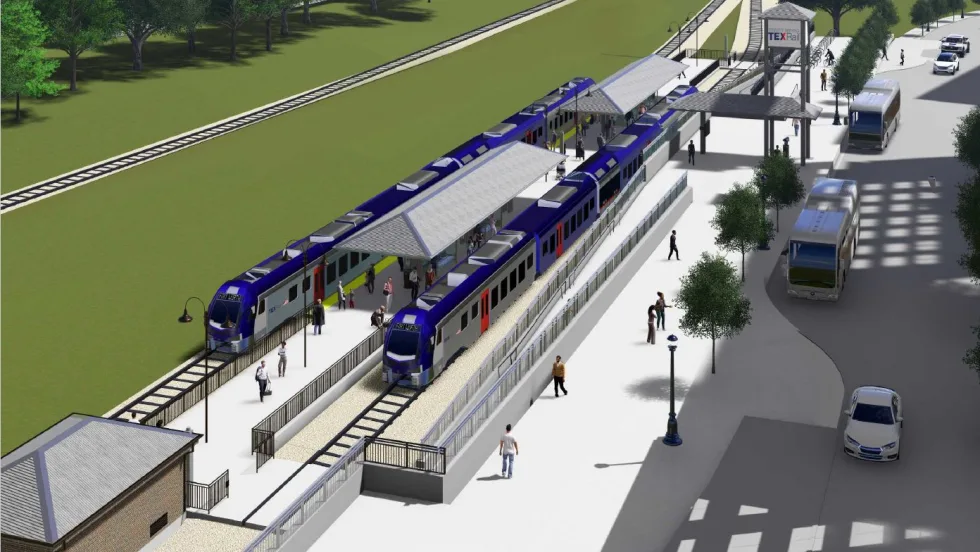
Trinity Metro Breaks Ground on $270M TEXRail Extension
The 2.1-mile extension will connect Fort Worth’s Medical District and Near Southside to downtown, surrounding communities, and Dallas-Fort Worth International Airport.
Read More →
Bringing Austin’s First Light Rail System to Life
Austin Transit Partnership CEO Greg Canally discusses the city's nearly 10-mile light rail project, its collaborative approach to project delivery, the importance of community engagement, and the milestones ahead as construction approaches in 2027.
Read More →
Metra Draft Plan Outlines Costs, Service Improvements for Regional Rail
The Systemwide Network Plan identifies infrastructure needs and potential investments to expand all-day, bidirectional rail service across the Chicago region.
Read More →
Amtrak Completes First Street Tunnel Upgrades, Restores Service
The nine-day construction project included replacing aging track infrastructure and modernizing switch systems near Washington Union Station.
Read More →
FRA Announces $2.3B for Passenger, Freight Rail Projects Nationwide
The CRISI Grant Program funding will support rail infrastructure improvements, safety upgrades, and projects aimed at improving freight and passenger rail service across 45 states and Washington, D.C.
Read More →
Caltrain’s Electrification Drives a New Era of Ridership Growth
The railroad’s shift to electric service has brought more frequent trains, stronger customer satisfaction, and increased ridership, earning it APTA’s Outstanding Public Transportation System award.
Read More →
FTA Advances $164M Broward County Commuter Rail Project
The proposed 10.5-mile commuter rail extension would connect Fort Lauderdale and Aventura, expanding passenger rail options in South Florida.
Read More →
New York MTA Launches Historic $1.9B Signal, Track Modernization Project
Funded in part by congestion pricing revenue, the project will replace nearly century-old signals along the A and C lines in Brooklyn and Queens.
Read More →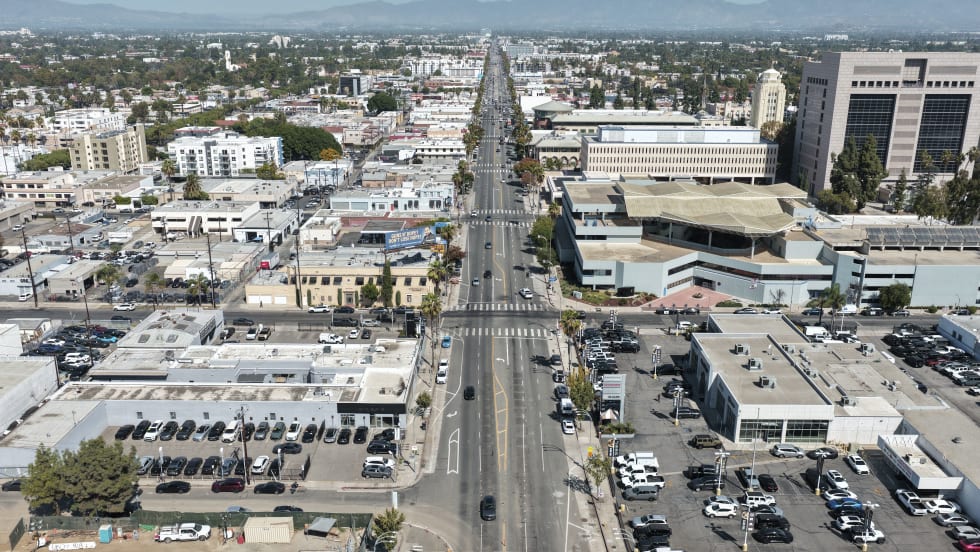
LA Metro Breaks Ground on East San Fernando Valley Light Rail Project
The 6.7-mile line will add 11 stations along Van Nuys Boulevard, expand access to jobs and regional transit connections, and support Metro’s broader efforts to improve mobility as rail ridership grows.
Read More →
CSA Group Releases Climate Resilience Standard for Transit, Passenger Rail
Developed with support from the Standards Council of Canada, CSA D700 guides assessing climate-related risks and planning adaptation measures for transit and passenger rail systems.
Read More →