



Report: Motorcoach travel more cost effective, efficient than Amtrak
Analysis compares consumer and societal costs associated with 20 trips between select U.S. city pairs on both Amtrak and scheduled intercity motorcoaches. Findings include motorcoaches average less than 25% of the cost to provide comparable Amtrak Service; and only two Amtrak lines generate enough revenue to cover operating and capital costs.

A new study by M.J. Bradley and Associates prepared for the American Bus Association Foundation, Taxpayers for Common Sense, and the Reason Foundation reveals lower consumer and taxpayer costs and reduced emissions associated with motorcoach travel as compared with Amtrak’s rail system. Comparing a number of key areas, the study will be used to seek reforms in the transportation planning process.
The report establishes that motorcoach companies provide passenger service that is either more effective or on par with Amtrak, but at a fraction of the cost and with little to no public subsidy. The analysis compares consumer (fare, travel time) and societal costs (government subsidies, air emissions) associated with 20 trips between select U.S. city pairs on both Amtrak and scheduled intercity motorcoaches. These trips are representative of the Amtrak system covering a range of geographies, both urban and rural, and include the Northeast Corridor, including Acela; short-corridor trains; and long-distance trains.
Comparisons concluded these key findings:
On a fully allocated cost basis (capital and operating) motorcoaches average on cost per passenger less than 25% of the cost to provide comparable Amtrak Service
Only two Amtrak lines generate enough revenue to cover operating and capital costs.
On average, per-passenger carbon emissions from motorcoaches are 45% — 65% less than comparable Amtrak trips
Motorcoaches generally offer more schedules per trip than comparable Amtrak trips
Motorcoaches serve 2,766 cities and towns in the lower 48 states, while Amtrak serves more than 500 cities and towns in 46 of the 48 states.
Generally total trip time by motorcoach is comparable with Amtrak.
“This report once again shows that the transportation planning process should require careful consideration of all modes of transportation to help determine which are the best value for taxpayers, both in terms of short-term costs and long-term liabilities,” said Ryan Alexander, President of Taxpayers for Common Sense.
“Based on the report findings, motorcoaches clearly offer opportunities to reduce carbon emissions, save taxpayers and travelers time and money, while providing broader schedules to more destinations”, said Peter Pantuso, president of the ABA Foundation. “And, yet the transportation planning system reflects gaping inequities in modal choices, funneling tax dollars into projects that may not make environmental or fiscal sense.”
"As we strive to improve mobility and our infrastructure in this time of debt and deficits, we need to spend our transportation funding more wisely than ever. Congress shouldn't automatically keep pouring money into existing systems. Before spending taxpayers' money, Congress needs to closely examine the benefits and cost-effectiveness of alternatives, just as this report has done with buses and Amtrak," said Shirley Ybarra, senior transportation policy analyst at Reason Foundation and formerly Virginia's secretary of transportation.
The study’s sponsors hope to use the findings regarding cost effectiveness and environmental efficiency to evolve and transform the transportation planning process into a more inclusive system — to help save tax dollars and reduce carbon emissions.
More Motorcoach

METRO Opens Submissions for 2026 Motorcoach Awards
Nominations are now being accepted for METRO Magazine’s Operator of the Year and Innovative Operator of the Year awards.
Read More →
Biz Briefs: Alstom Lands Canadian Contract, LYT to Supply California TSP, and More
In METRO's latest installment, we take a look at recent news from Complete Coach Works, Beep, FlixBus, and more partnerships making headlines across the transportation sector.
Read More →
Biz Briefs: RIPTA Unveils New Frontrunners, Clevland RTA Adds New Siemens, and More
In METRO's latest installment, we take a look at recent news from Siemens, Prevost, Dodge, and more partnerships making headlines across the transportation sector.
Read More →
People Movement: Holly Arnold Joins Transdev and More
In this edition, we also cover recent appointments and announcements at Pace, CamTran, MCI, and more, showcasing the individuals helping to shape the future of transportation.
Read More →
ABA Report: Motorcoach Travel Generates $161.6B Economic Impact
The 2025 analysis finds motorcoach travel supported nearly 900,000 jobs and generated $28 billion in federal, state, and local taxes.
Read More →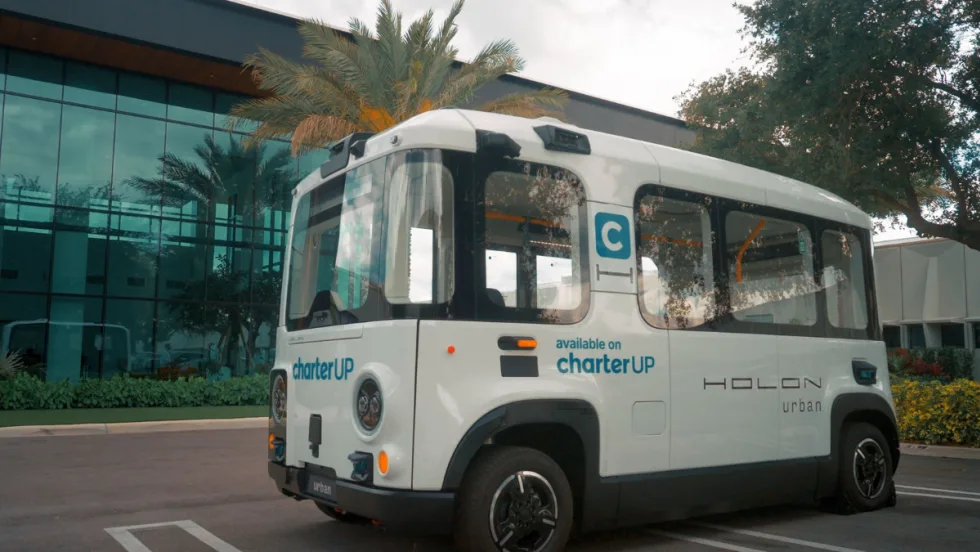
CharterUP’s Armir Harris on Technology, AI, and the Future of Group Mobility
In a recent episode of METROspectives, CharterUP Founder/CEO Armir Harris discussed the company’s evolution from an online charter bus marketplace into a technology platform supporting public- and private-sector mobility and much more.
Read More →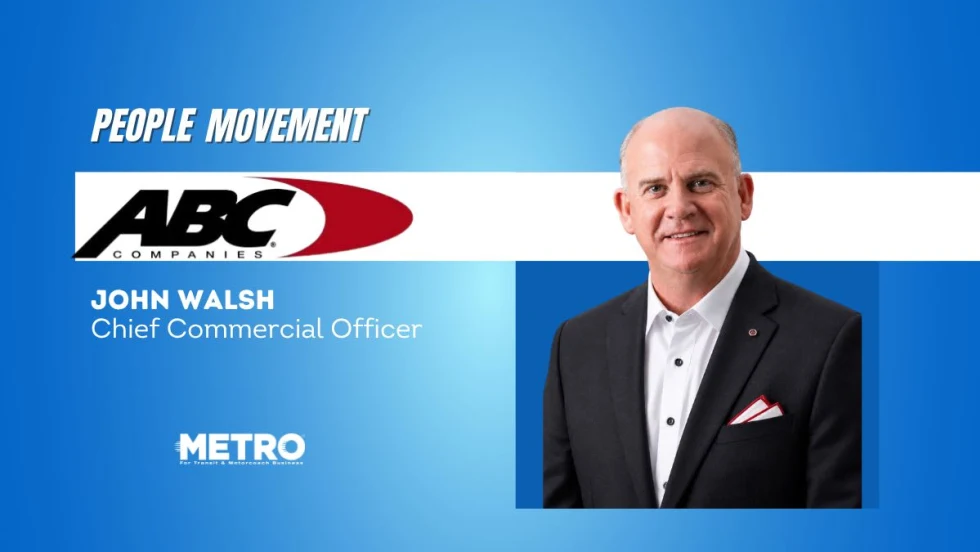
People Movement: ABC Names John Walsh as Chief Commercial Officer
In this edition, METRO also covers recent appointments and announcements at the DART, STV, and more, showcasing the individuals helping to shape the future of transportation.
Read More →
From Surviving to Thriving: Building Stronger Transportation Organizations
Bus Business Consultants founder Brian Dickson shares lessons on leadership, organizational health, and creating options for long-term success in a changing transportation industry.
Read More →
Biz Briefs: Luminator Marks Milestone and More
From manufacturers and suppliers to transit agencies and motorcoach operators, these updates offer a snapshot of the projects, partnerships and business moves driving the industry forward.
Read More →
ABAF Study Reveals Growing Insurance Crisis for Motorcoach Operators
Preliminary findings show 98% of operators faced premium increases over the past five years, while shrinking insurer participation is putting added pressure on businesses and customers.
Read More →