




Miss This? Denver's RTD Adding 27,000 Service Hours
Denver's RTD Sees Reports of Illicit Drug Activity Decrease for 13 Consecutive Months
Customer reports of illegal drug activity decreased an average of 65% per month in 2025 when compared to the same period last year.
August 29, 2025
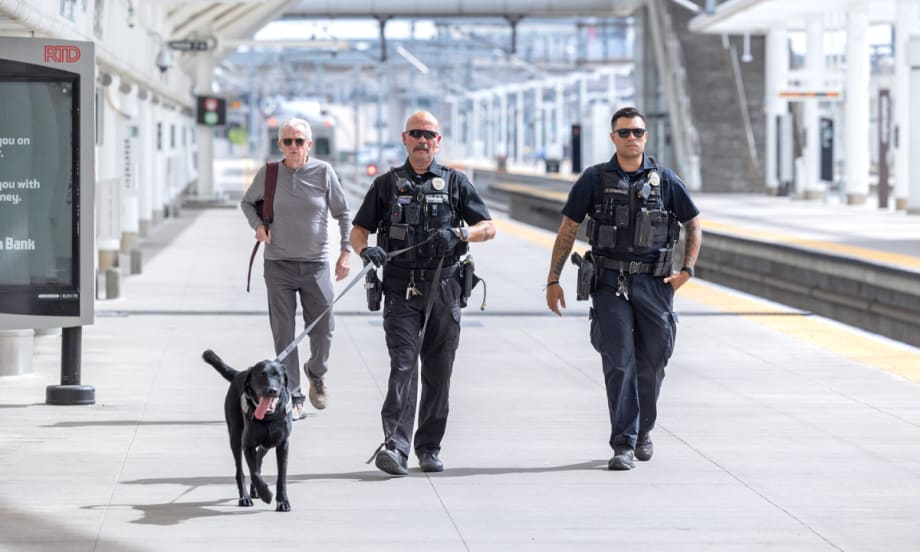
Security-related calls to RTD range from graffiti and noise complaints to theft, drug activity, and other safety concerns.
Photo: Regional Transportation District
3 min to read
The Regional Transportation District (RTD) is experiencing year-over-year decreases in customer reports of illicit drug activity for the 13th consecutive month. On average, year-over-year reports are down 65% each month in 2025.
June also marked the first time in more than three years that illicit drug activity was not the most frequently reported customer incident type. RTD has also recorded year-over-year declines in security-related calls for service in every month of 2025.
In 2023, RTD averaged 247 customer reports of illicit drug activity per month, with 350 incidents reported in January of that year. The monthly average declined to 177 in 2024 and has continued to drop, reaching 78 in 2025 (to date).
Customer reports of illicit drug activity accounted for nearly 60% of all Transit Watch reports received by RTD in 2023. Incident reports have declined by roughly two-thirds over the past two years. Last month, illicit drug activity represented 21% of all customer-reported incidents that the agency received via its Transit Watch mobile app.
RTD Transit Police Boost Visibility, Reduce Security Reports
RTD launched a Security-Related Metrics webpage earlier this year, detailing RTD Transit Police Department (RTD-PD) metrics and activity reports.
The online information includes the number of security-related calls for service, incidents reported via the Transit Watch app, reports of illicit drug activity, rail fare checks, arrests, and calls for service per customer boarding, among other security metrics. The webpage also provides a breakdown of customer reports submitted via the Transit Watch app, dating back to January 2023.

RTD is reporting year-over-year decreases in customer reports of illicit drug activity for the 13th consecutive month.
Source: Regional Transportation District
Security-related calls for service, a metric that includes calls and text messages to the RTD-PD Dispatch Center, as well as radio communications and incidents reported via Transit Watch, have also seen double-digit year-over-year decreases, dating back to July 2024.
According to an agency release, security-related calls for service reflect a wide range of customer and officer reports, including graffiti, noise complaints, illicit drug activity, theft, unattended bags, and other personal safety concerns.
RTD Chief of Police and Emergency Management Steve Martingano attributes the increased visibility of the agency's officers as a significant factor in a systemwide reduction of security-related reports.
"RTD-PD is taking a more proactive approach with officers actively patrolling areas, and we're using metrics to identify high-need areas for increased patrols," Martingano said. "In sharing our metrics with customers and the public, we're working to be transparent and help the communities we serve understand RTD's commitment to their personal safety and security."
Fare Checks Surge 500% Under RTD's Safety Strategy
While security-related calls and reports through the Transit Watch app declined, transit police officers simultaneously increased the number of proactive fare checks.
RTD-PD officers and security personnel conducted 439,961 rail fare checks in July 2025 alone. That number reflects an increase of more than 500% in fare checks since August 2024, averaging 300,000 to 400,000 per month this year.
Increasing fare checks is one part of RTD-PD's four-step security plan to support customers and employees. The plan also entails maintaining a high visibility of officer presence, educating customers about the Respect the Ride Code of Conduct, and using technology for real-time surveillance of stops, stations, and, in the event of an emergency, vehicles.
More Security and Safety

Transit Agencies Highlight Safety Gains at National Summit
Leaders from 15 major transit systems shared crime-reduction results and safety initiatives while discussing the role of continued federal support.
Read More →
DART Launches Major Security, Fare Enforcement Initiative
The 90-day demonstration will deploy coordinated security teams at five light rail stations while testing controlled access and gathering data to guide future investments.
Read More →
RTD Launches NextRide App to Consolidate Trip Planning, Fares, Security Reporting
The app expands on RTD’s existing NextRide web application and allows customers to view real-time vehicle locations and service alerts, purchase and store digital fares, and access customer support.
Read More →
TAPTCO Updates OSHA Compliance Training for Transit Maintenance Operations
The revamped program addresses 26 OSHA standards for maintenance facilities, with TAPTCO pointing to training, documentation, and everyday shop hazards as continuing challenges for transit operations.
Read More →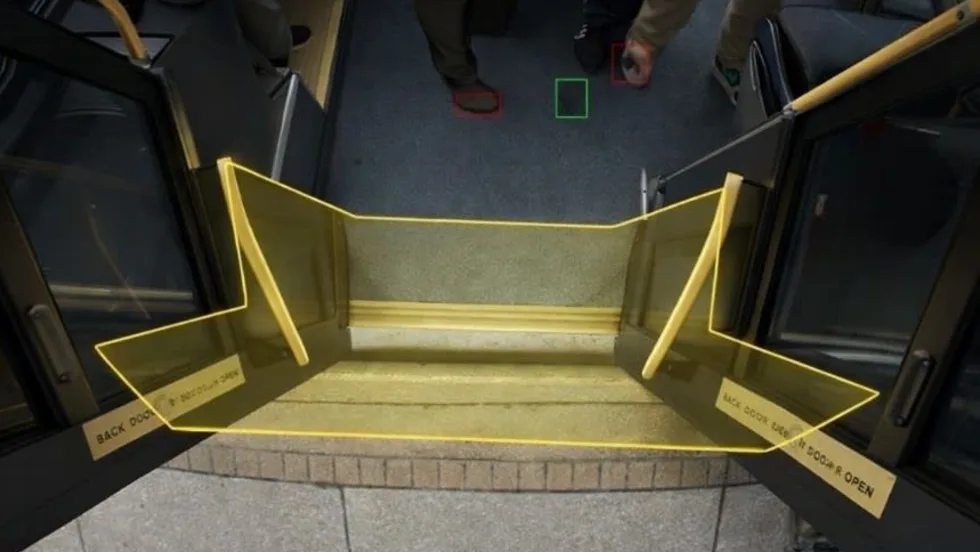
Sponsored•August 18, 2026
How VaporVision Adds Value to Transit Door Systems
Wabtec engineers explain how the system improves doorway detection, strengthens diagnostics and gives transit agencies and OEMs greater operating flexibility.
Read More →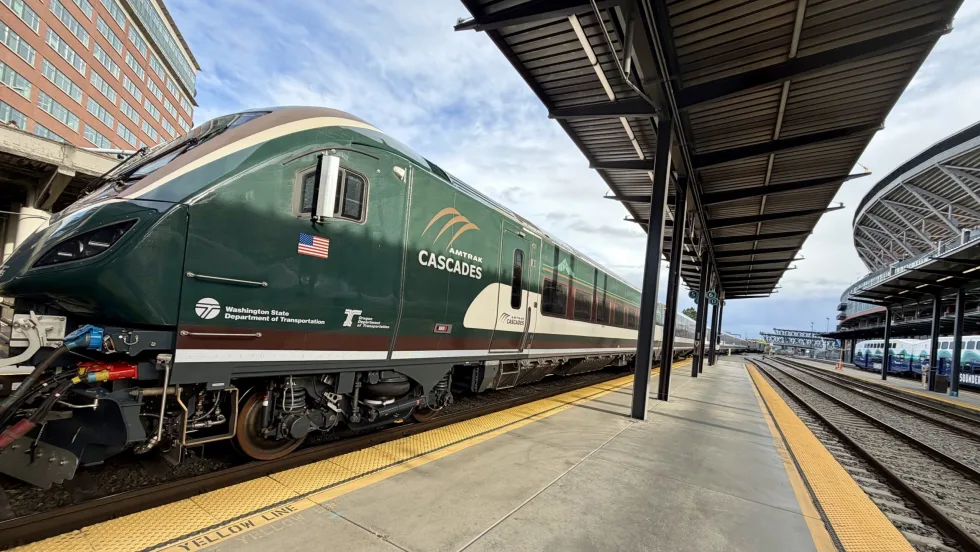
FRA Announces $5.3B in Rail Investments, Including $2B for Amtrak
Funding will support grade-crossing improvements, infrastructure upgrades, and new Amtrak equipment in 23 states.
Read More →
Chicago, Maryland Expand Non-Law-Enforcement Safety, Rider Support
The CTA and MTA are launching new programs aimed at de-escalation, crisis response, rider assistance, and greater transparency.
Read More →
LA Metro, City of West Hollywood, and Partners Advance Smarter Bus Lane Enforcement
The award-winning partnership combines AI-powered detection with human oversight to improve bus reliability, accessibility, and enforcement efficiency.
Read More →
LA Metro Reports 57% Decline in Homelessness on Transit System Since 2024
The agency's latest homelessness count offers new data on how care-based services and cross-sector partnerships can complement traditional transit security strategies.
Read More →
FTA Launches 'Transit Moves America' Dashboard to Highlight Agency Safety and Performance
The online dashboard transforms National Transit Database information into a public-facing resource that allows users to compare transit agencies on key operational and safety metrics.
Read More →