



SamTrans Board Endorses 'Healthy Transit Plan'
The plan was crafted using guidance and best practices from the California Department of Public Health, U.S. Centers for Disease Control and Prevention, and the World Health Organization, as well as other transit agencies from around the world.
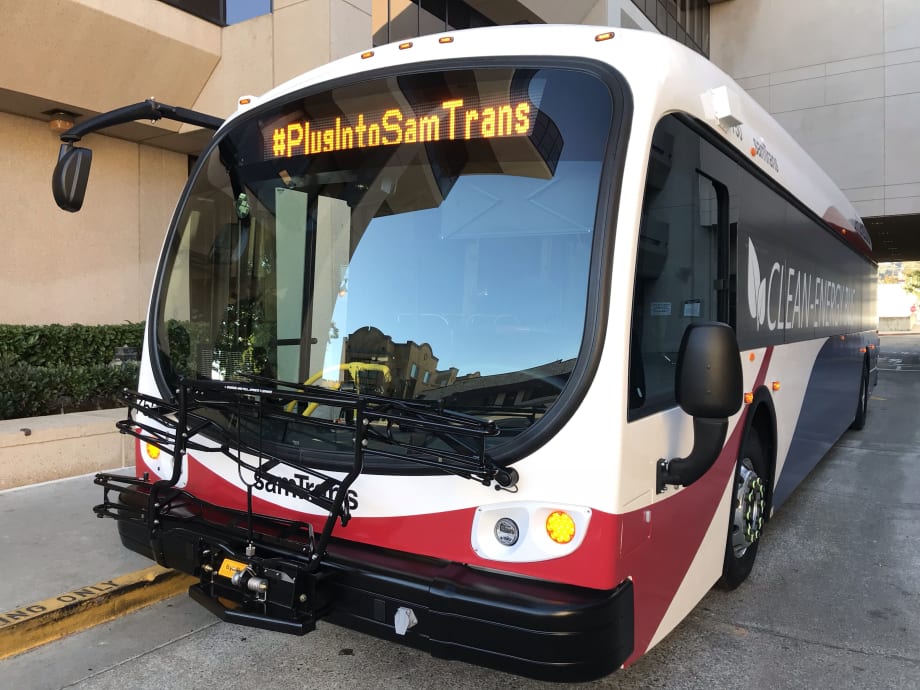
As riders return to public transportation, surveys show that passengers want to be assured steps have been taken to provide a safe ride.
Proterra
The SamTrans board voted to endorse the Bay Area Healthy Transit Plan at its September meeting. The regional transit plan outlines action items for frequent cleaning, personal protective equipment, face coverings, social distancing, ventilation, and touchless fares to keep transit safe for all Bay Area residents and transit employees.
As riders return to public transportation, surveys show that passengers want to be assured steps have been taken to provide a safe ride. To provide that assurance, transit agencies from throughout the Bay Area have established common commitments based upon the industry’s best health-related practices to strengthen trust in riding public transportation. The plan was crafted using guidance and best practices from the California Department of Public Health, U.S. Centers for Disease Control and Prevention, and the World Health Organization, as well as other transit agencies from around the world.
The plan calls for improvements in the operation and maintenance of transit agencies, as well as encouraging safer behaviors among riders. It calls for face coverings, physical distancing, and hand washing, and recommends riders minimize verbal activities that could help to spread COVID-19, and the use of a Clipper card or mobile apps for touchless payment. Additionally, it recommends expanded cleaning and disinfecting practices, as well as maximizing fresh air on board.
Protecting transit employees is another fundamental goal of the plan. Agencies are advised to develop a wellness assessment protocol for employees, provide adequate personal protection equipment (PPE), encourage physical distancing, give access to testing, and develop a contact tracing policy in case of employees testing positive. SamTrans had already implemented these policies earlier in the pandemic.
“It has never been more critical for our respective agencies to come together and collaborate with a common goal of preserving safe, reliable public transit for those who need it most,” said San Mateo County Transit District GM/CEO Jim Hartnett. “While COVID-19 presents much uncertainty, it remains a constant that the regional economy cannot sustainably rely solely on single-occupancy vehicles.”
The plan represents sets a baseline for transit agencies and does not preclude agencies from implementing additional practices if they are deemed necessary. As new information becomes available, the standards laid out in the plan will evolve and adapt to ensure that the best practices are in place.
The Metropolitan Transportation Commission formed a 30-member Blue Ribbon Transit Recovery Task Force that has worked with the Bay Area’s local public transit agencies to develop the Healthy Transit Plan. Agency collaboration included, large, small, and multimodal providers. Additionally, transit providers engaged with and received insightful input from paratransit partners, county health officials and labor representatives to create the plan.
More Security and Safety

Transit Agencies Highlight Safety Gains at National Summit
Leaders from 15 major transit systems shared crime-reduction results and safety initiatives while discussing the role of continued federal support.
Read More →
DART Launches Major Security, Fare Enforcement Initiative
The 90-day demonstration will deploy coordinated security teams at five light rail stations while testing controlled access and gathering data to guide future investments.
Read More →
RTD Launches NextRide App to Consolidate Trip Planning, Fares, Security Reporting
The app expands on RTD’s existing NextRide web application and allows customers to view real-time vehicle locations and service alerts, purchase and store digital fares, and access customer support.
Read More →
TAPTCO Updates OSHA Compliance Training for Transit Maintenance Operations
The revamped program addresses 26 OSHA standards for maintenance facilities, with TAPTCO pointing to training, documentation, and everyday shop hazards as continuing challenges for transit operations.
Read More →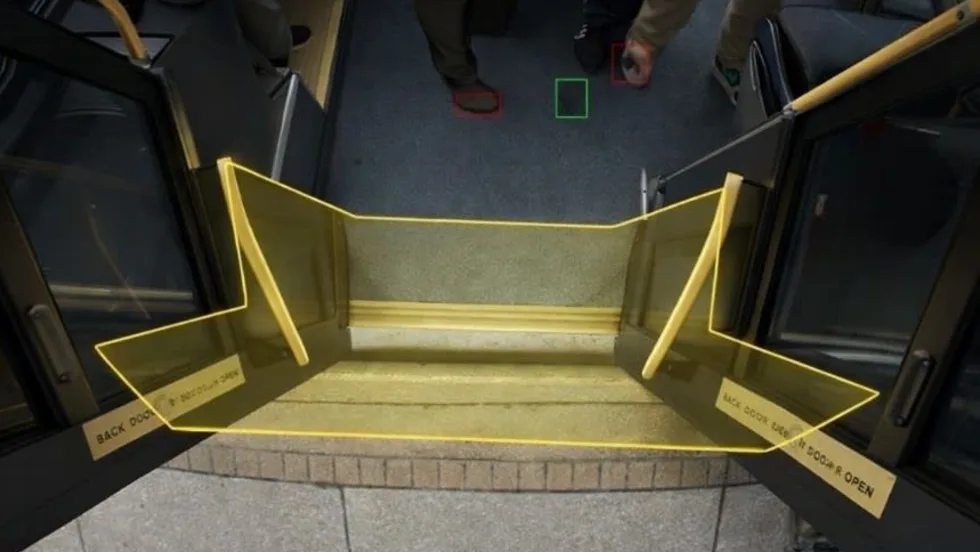
How VaporVision Adds Value to Transit Door Systems
Wabtec engineers explain how the system improves doorway detection, strengthens diagnostics and gives transit agencies and OEMs greater operating flexibility.
Read More →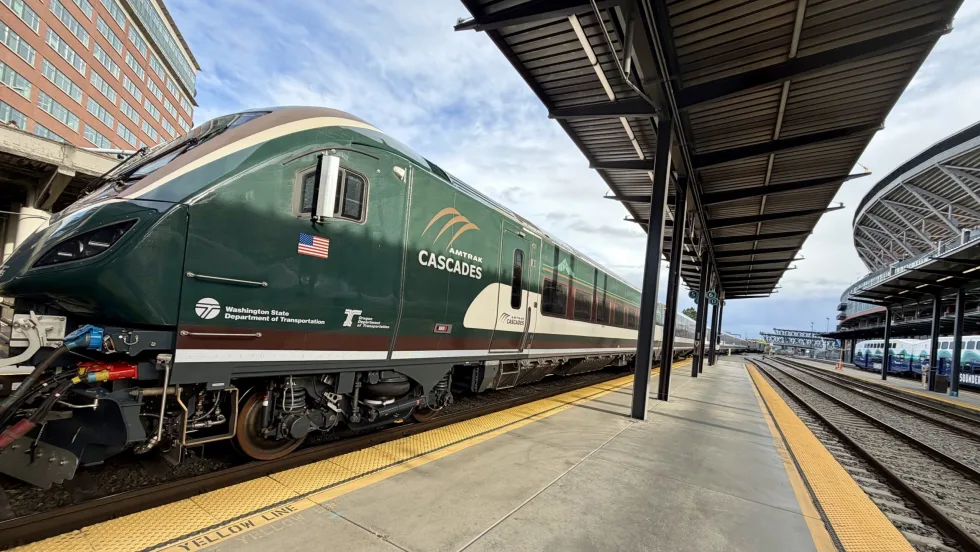
FRA Announces $5.3B in Rail Investments, Including $2B for Amtrak
Funding will support grade-crossing improvements, infrastructure upgrades, and new Amtrak equipment in 23 states.
Read More →
Chicago, Maryland Expand Non-Law-Enforcement Safety, Rider Support
The CTA and MTA are launching new programs aimed at de-escalation, crisis response, rider assistance, and greater transparency.
Read More →
LA Metro, City of West Hollywood, and Partners Advance Smarter Bus Lane Enforcement
The award-winning partnership combines AI-powered detection with human oversight to improve bus reliability, accessibility, and enforcement efficiency.
Read More →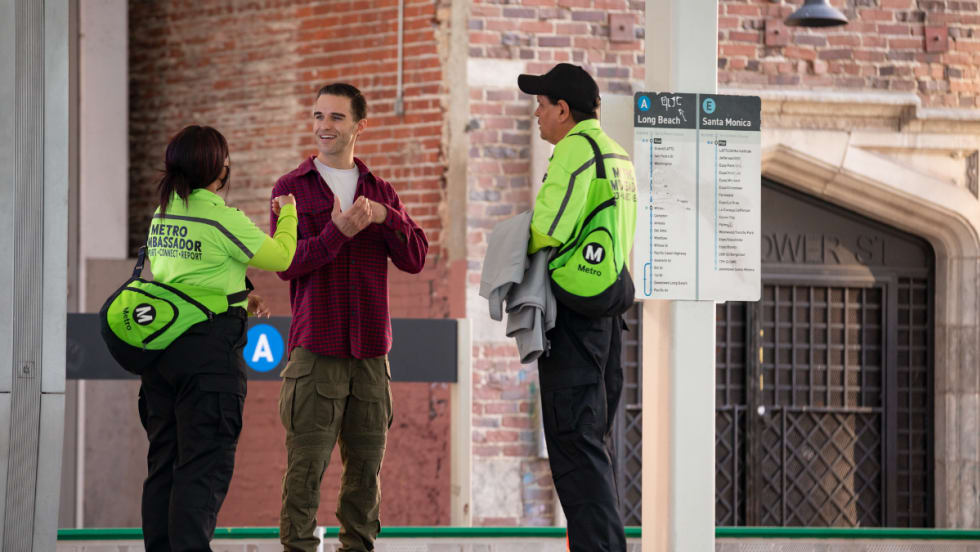
LA Metro Reports 57% Decline in Homelessness on Transit System Since 2024
The agency's latest homelessness count offers new data on how care-based services and cross-sector partnerships can complement traditional transit security strategies.
Read More →
FTA Launches 'Transit Moves America' Dashboard to Highlight Agency Safety and Performance
The online dashboard transforms National Transit Database information into a public-facing resource that allows users to compare transit agencies on key operational and safety metrics.
Read More →