



San Diego’s MTS Approves Security Contract, Extends Fare Evasion Diversion Program
The contract with Inter-Con Security is for three base years with an option to extend for an additional two years and will go into effect on Jan. 1, 2022.
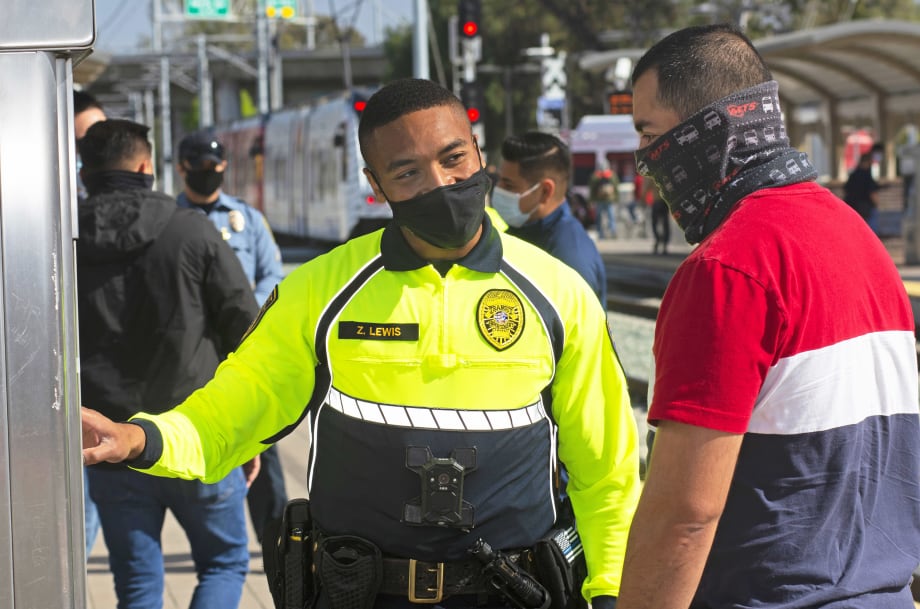
At MTS, Inter-Con will provide support by employing 190 public safety officers to patrol the system.
MTS
The San Diego Metropolitan Transit System’s (MTS) board approved a new five-year, $66 million contract with Inter-Con Security to provide security services on trolleys, buses, and on MTS properties.
The contract is for three base years with an option to extend for an additional two years and will go into effect on Jan. 1, 2022. At the same meeting, the board also extended its Fare Evasion Diversion Program for another year.
Inter-Con employs a highly diverse workforce of over 30,000 employees across North and South America, Africa, and Europe, with sustained operational growth. The company provides tailored security services to Fortune 500 companies; public utilities; high net worth individuals; and non-profit organizations; as well as federal, state, and local governments around the world.
At MTS, Inter-Con will provide support by employing 190 public safety officers to patrol the system. The MTS service area covers 570 square miles, 62 stations, and 53 miles of double-tracked railway. Officers are responsible for conducting fare inspections, acting as system ambassadors, supporting bus and rail operations and other employees in need, helping with lost and found, and much more.
In addition to hiring a new security contractor, the MTS board also extended the Fare Evasion Diversion Program to August 31, 2022. This pilot program reduces fines, offers a community service option in lieu of payment, and a new appeal window for fare violators. The purpose is to provide more flexibility for passengers who receive citations for not having a valid fare while riding buses and trolleys.
MTS is extending the pilot to get a better understanding about success factors. The COVID-19 pandemic made it difficult to fully realize the success of the Diversion Program thus far. An extension allows additional time to evaluate the effectiveness of the pilot program and identify if any changes are necessary.
In addition to the Fare Evasion Diversion Program pilot and hiring a new security contractor, MTS has also implemented other changes to its security policies and procedures, including:
Hiring a new security director.
Establishing a Security and Passenger Safety Community Advisory Group.
Adopting many of the principles in the “8 Can’t Wait” campaign and as a guideline for its use-of-force policy.
Banning carotid restraints and choke holds, including the prohibition of using knee pressure on the neck, throat, or head.
Adopting a “duty to intervene” if MTS security officers witness excessive force by another employee.
Conducting a third-party peer review of its security policies and procedures, which includes a community-based steering committee to assist with recommendations.
More Security and Safety

Transit Agencies Highlight Safety Gains at National Summit
Leaders from 15 major transit systems shared crime-reduction results and safety initiatives while discussing the role of continued federal support.
Read More →
DART Launches Major Security, Fare Enforcement Initiative
The 90-day demonstration will deploy coordinated security teams at five light rail stations while testing controlled access and gathering data to guide future investments.
Read More →
RTD Launches NextRide App to Consolidate Trip Planning, Fares, Security Reporting
The app expands on RTD’s existing NextRide web application and allows customers to view real-time vehicle locations and service alerts, purchase and store digital fares, and access customer support.
Read More →
TAPTCO Updates OSHA Compliance Training for Transit Maintenance Operations
The revamped program addresses 26 OSHA standards for maintenance facilities, with TAPTCO pointing to training, documentation, and everyday shop hazards as continuing challenges for transit operations.
Read More →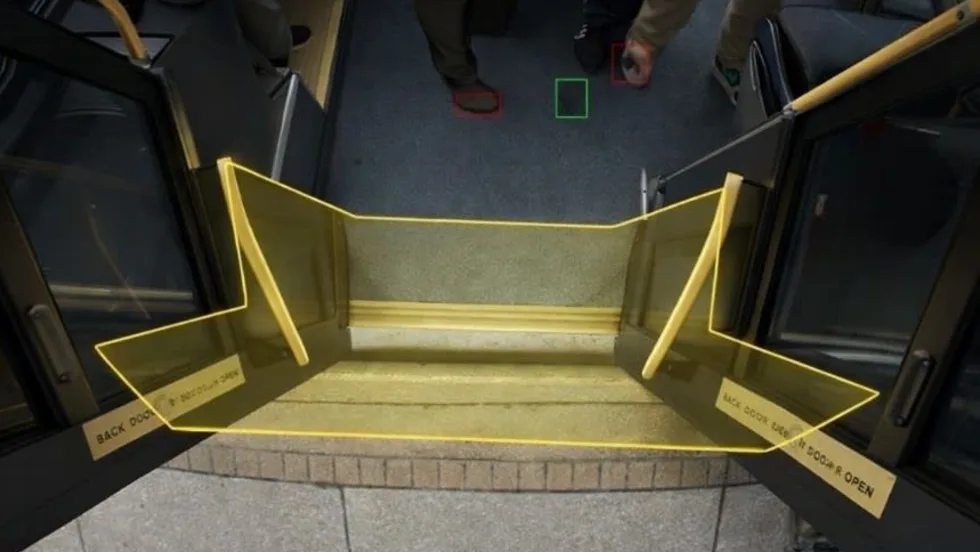
How VaporVision Adds Value to Transit Door Systems
Wabtec engineers explain how the system improves doorway detection, strengthens diagnostics and gives transit agencies and OEMs greater operating flexibility.
Read More →
FRA Announces $5.3B in Rail Investments, Including $2B for Amtrak
Funding will support grade-crossing improvements, infrastructure upgrades, and new Amtrak equipment in 23 states.
Read More →
Chicago, Maryland Expand Non-Law-Enforcement Safety, Rider Support
The CTA and MTA are launching new programs aimed at de-escalation, crisis response, rider assistance, and greater transparency.
Read More →
LA Metro, City of West Hollywood, and Partners Advance Smarter Bus Lane Enforcement
The award-winning partnership combines AI-powered detection with human oversight to improve bus reliability, accessibility, and enforcement efficiency.
Read More →
LA Metro Reports 57% Decline in Homelessness on Transit System Since 2024
The agency's latest homelessness count offers new data on how care-based services and cross-sector partnerships can complement traditional transit security strategies.
Read More →
FTA Launches 'Transit Moves America' Dashboard to Highlight Agency Safety and Performance
The online dashboard transforms National Transit Database information into a public-facing resource that allows users to compare transit agencies on key operational and safety metrics.
Read More →