



SFMTA Rolls Out Battery Electric Bus Pilot Program
This milestone is part of the agency’s goal of an all-electric fleet and a carbon-neutral San Francisco by 2040.
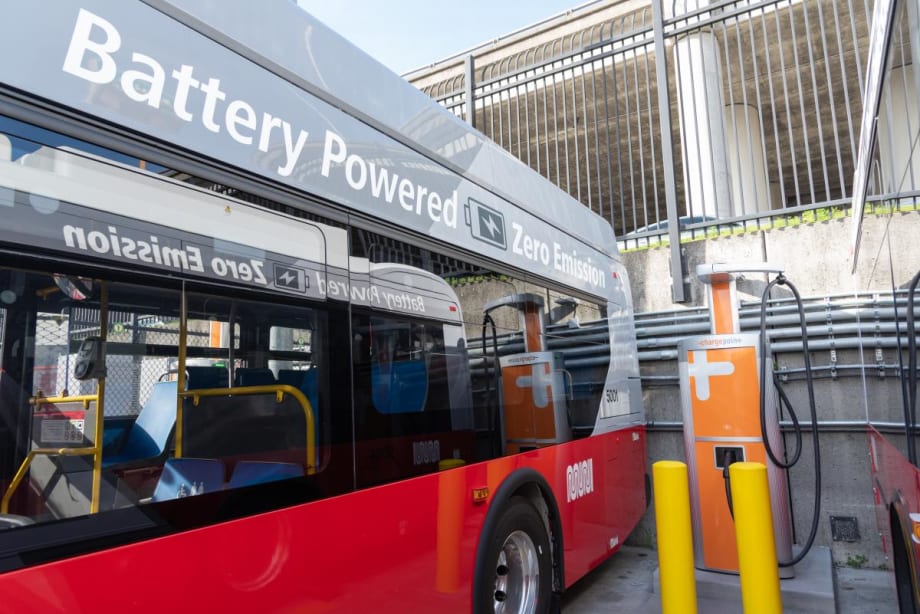
The overall completion of the installation project is expected for summer 2022.
Photo: SFMTA
The San Francisco Municipal Transportation Agency (SFMTA) announced the first of three battery-electric buses have entered revenue service.
This milestone is part of the agency’s goal of an all-electric fleet and a carbon-neutral San Francisco by 2040, as explained in the SFMTA’s Sustainability and Climate Action Program.
As part of the program, Muni had initially ordered nine battery-electric buses, three each fro m three manufacturers, New Flyer, BYD USA, and Proterra, for an 18-month tryout.
As the program evolved, a fourth manufacturer, Nova Bus, was added to the program to bring in three additional e-buses for the testing. Currently five e-buses have arrived. The rest of seven will be delivered by the end of 2022.
The new coaches will be serving the 9 San Bruno, 22 Fillmore, 29 Sunset and 44 O'Shaughnessy lines. The three battery-electric buses will be running on the same line each day to gather data on how they respond to the challenges of revenue service.
Leading up to this launch, the SFMTA has been working with PG&E to complete and update the charging infrastructure, called ChargePoint Express Plus, needed to power its new battery electric fleet.
Each bus takes about four hours to charge and the electrical support equipment is enclosed within the Electrical Equipment Center directly adjacent to the charging stations. To date, the agencys has nine of 12 charging stations completed, which are powered by Hetch Hetchy Power.
The three remaining chargers are currently in fabrication and anticipated to be delivered in Spring 2022. Construction will continue once the three chargers arrive. The overall completion of the installation project is expected for summer 2022.
As of 2019, 47% of San Francisco’s greenhouse gas emissions are generated by the transportation sector which is heavily reliant on carbon intensive fossil fuels.
More Bus
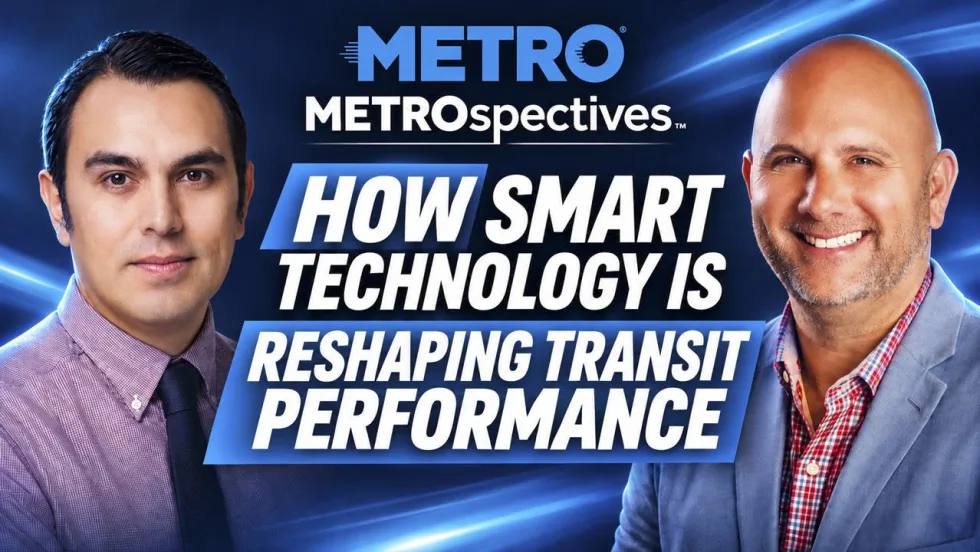
Improving Transit Safety and Reliability Through AI
Hayden AI’s Chief Growth Officer, Charley Territo, discusses how AI-powered camera enforcement is helping transit agencies keep bus lanes and stops clear, improve accessibility, and move from pilot programs to full-scale deployments.
Read More →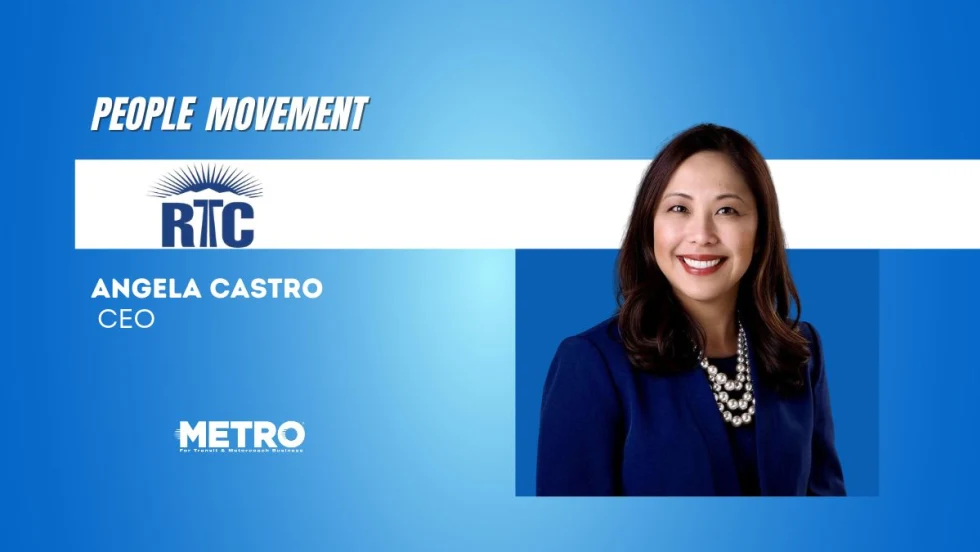
Castro to Lead RTC of Southern Nevada and More in People Movement
In this edition, we also cover recent appointments and announcements at the STV, MCI, and more, showcasing the individuals helping to shape the future of transportation.
Read More →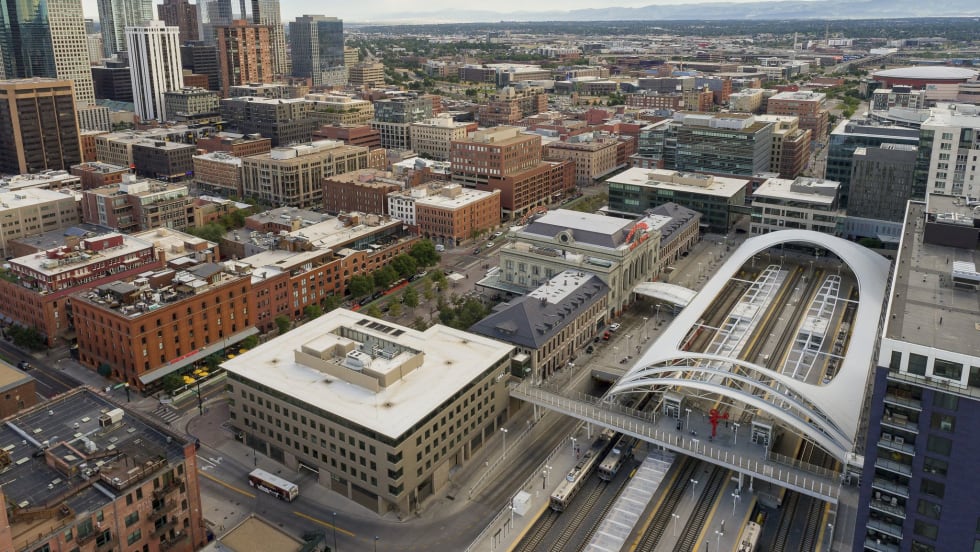
Study: Denver RTD Generates $2.1 Billion in Annual Economic Activity
An economic impact study finds the agency supports approximately 17,500 jobs, delivers $1.6 billion in annual community and mobility benefits, and generates $2.42 in economic value for every dollar invested.
Read More →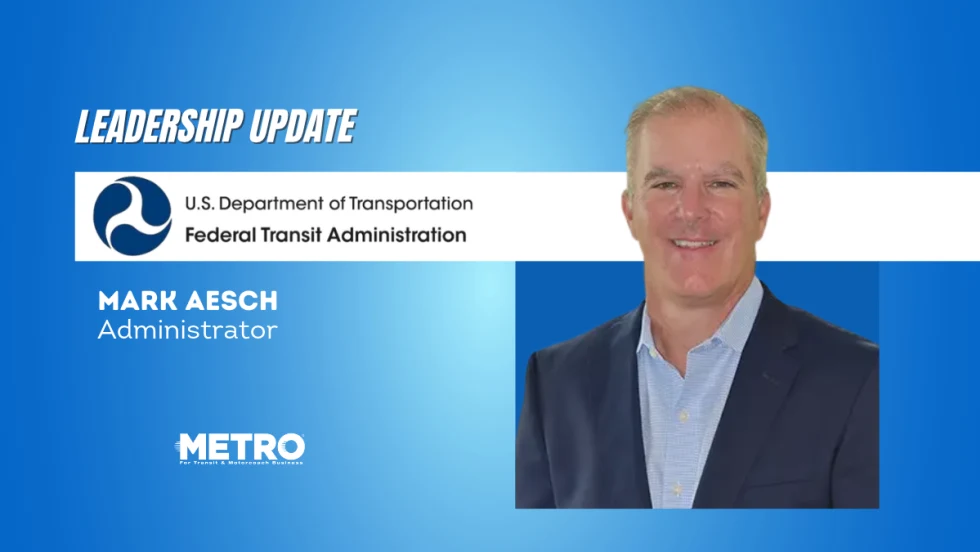
Mark Aesch Nominated to Lead Federal Transit Administration
The former Rochester transit chief and TransPro founder, who has also contributed to METRO Magazine, brings decades of industry experience and a focus on performance, accountability, and financial sustainability to the nomination.
Read More →
Pierce Transit Moves to Expand Fleet Following Proposition 1 Approval
The agency authorized the purchase or refurbishment of up to 60 buses to support a 47% service expansion, as voters nationwide approved billions in new transit funding.
Read More →
Transit Expands Agency Partnerships, Reaching 200 Official App Partners
COO Jake Sion discusses Transit’s growth, the success of its Transit Royale program, and how technology is helping agencies improve the rider experience.
Read More →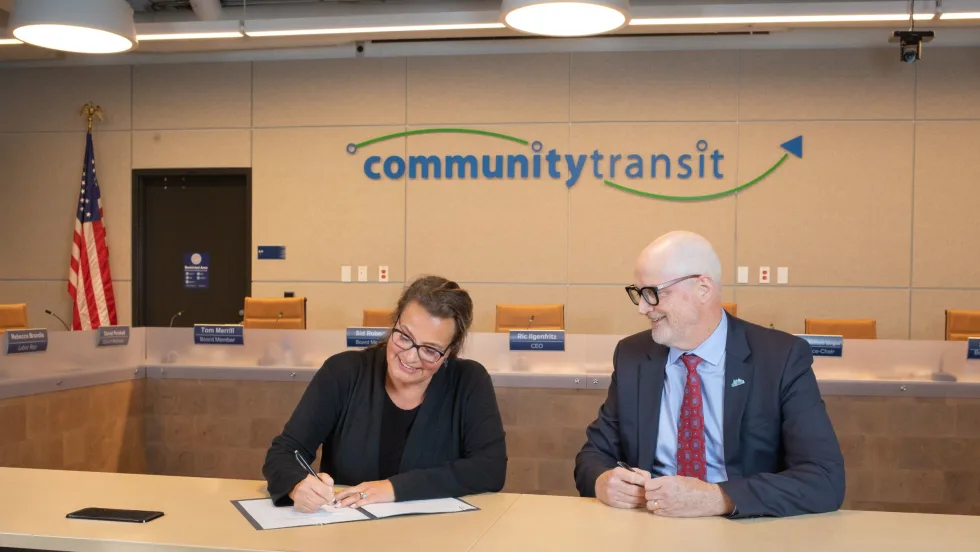
Everett Transit, Community Transit Approve Consolidation of Services
The agreement will bring Everett Transit into Community Transit’s network in April 2027, with plans to increase bus service by 50% by 2031 and expand regional connections.
Read More →
Brian Dickson on Building Stronger, More Resilient Transportation Organizations
Bus Business Consultants Founder Brian Dickson discusses the leadership principles, operational discipline, and strategic planning that separate transportation companies positioned for long-term success from those stuck in survival mode.
Read More →
LA Metro Breaks Ground on Vermont BRT Project
The 12.4-mile corridor is projected to serve 66,200 daily riders, reduce travel times by up to 24%, and create the nation's busiest bus rapid transit corridor.
Read More →
Roman Cornell on ABC Companies’ Evolution and the Future of Passenger Transportation
The company’s CEO discusses carrying forward a third-generation family legacy, ABC’s continued evolution in passenger transportation, support for increasingly complex fleets, and how technology and continued investment could help operators improve uptime.
Read More →