




More News: Copper Wire Thefts Continue to Impact Denver Rail Services
Sound Transit Selects Final West Seattle Link Extension Route
The Sound Transit Board has selected the final route and stations for the West Seattle Link Extension, incorporating refinements to improve station access and minimize displacements.
October 28, 2024
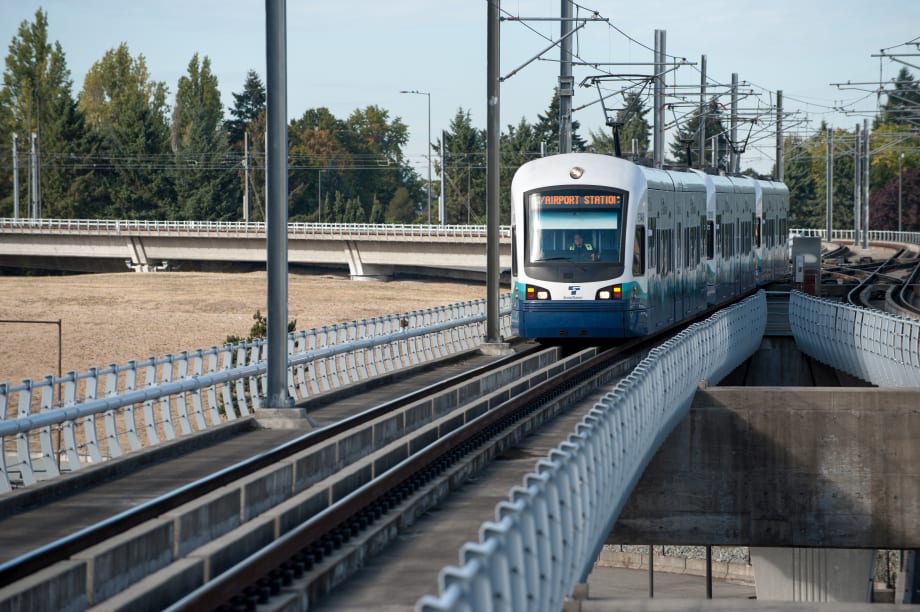
The West Seattle Link Extension project hopes to connect four new stations with the existing line.
Photo: WSP
3 min to read
The Sound Transit Board selected the route and station locations for the West Seattle Link Extension. This action authorizes the project to move forward into the final design phase and construction is expected to begin in 2027.
This also established the project definition for the NEPA Record of Decision (ROD). When the ROD is issued, the federal environmental review process will be complete, and the project can proceed. This is expected to be completed in late 2024.
In conjunction with the publication of the Final EIS in September, Sound Transit updated the cost estimate for the West Seattle Link Extension to between $6.7 and $7.1 billion. In response to this significant increase the board passed Motion M2024-29 directing the agency to develop a workplan to improve the agency’s financial situation and move WSLE through design to inform a financially sound project. The workplan will include programmatic, financial, and project-level measures.
“Through the Board-directed work plan, our action today allows Sound Transit to use the design process to address cost pressures, reduce impacts, and prepare projects for construction, fulfilling our promise to the voters,” said Sound Transit Board Chair and King County Executive Dow Constantine. “I want to thank everyone who has engaged with us throughout the planning process to-date.”
Making Transit Improvements
The West Seattle Link Extension was approved by voters in 2016 as part of the ST3 plan. The project will extend light rail 4.1 miles and serve four new stations at SODO, Delridge, Avalon, and the Alaska Junction.
Trips between Alaska Junction and Westlake stations will take only 16 minutes during peak hours, a 50% reduction from current travel times.
The extension will improve overall transit service frequency, reliability, and capacity, facilitate redevelopment, and provide a travel alternative when the West Seattle Bridge is congested or unavailable.
“A safe, connected, and well-maintained transit system is a top priority for my administration, and Sound Transit 3 represents the largest infrastructure program in Seattle’s history. We must also match our ambitions with accountability,” said Sound Transit Board member and Seattle Mayor Bruce Harrell. “As a Board, our role is to ensure that construction impacts and rising costs do not overly burden community as we work to deliver these transformative projects. Today's approved action on the West Seattle Link Extension route and stations is a forward step in helping us meet our challenges and getting us closer to providing reliable transit for generations to come.”
Moving to Design
The final alignment selected by the board is the Final EIS Preferred Alternative.
The alignment incorporates refinements requested by the Sound Transit Board when it identified the preferred alternative in 2022. Working with community members, the City of Seattle, and King County, staff studied the project features to enhance station access, prioritize an integrated and well-designed transfer experience from buses to light rail, and address concerns over potential displacement of organizations servicing low-income and communities of color.
“Today’s action gives Sound Transit the green light to move forward on West Seattle Link Extension’s final design, to study ways to contain costs, and to work further on avoiding or mitigating the impacts of this major construction project in the neighborhoods it will serve,” said Sound Transit System Expansion Committee Chair and King County Councilmember Claudia Balducci. “We’ve worked hard to get to this point, and I remain committed to deliver the fast, frequent, and reliable transit we promised the voters as quickly and affordably as possible.”
The Board’s approved resolution included an amendment to move forward with the development and implementation of the workplan to improve the agency’s financial situation and move the West Seattle Link Extension through design. The amendment also directed the agency to continue working to reduce identified project impacts during the design phase and advancement of the workplan to achieve cost savings and minimize community impacts.
The agency will return to the Board in the future as the design progresses and to authorize construction dollars.
More New Mobility

From Hardware to Digital Partner: Luminator Charts Its Next Chapter
CEO Magnus Friberg discusses Luminator’s shift toward becoming a digital partner, the growing importance of software and interoperability, and how AI can help agencies improve operations and passenger experience.
Read More →
Biz Briefs: Alstom Lands Canadian Contract, LYT to Supply California TSP, and More
In METRO's latest installment, we take a look at recent news from Complete Coach Works, Beep, FlixBus, and more partnerships making headlines across the transportation sector.
Read More →
CharterUP’s Armir Harris on Technology, AI, and the Future of Group Mobility
In a recent episode of METROspectives, CharterUP Founder/CEO Armir Harris discussed the company’s evolution from an online charter bus marketplace into a technology platform supporting public- and private-sector mobility and much more.
Read More →
Jacksonville’s NAVI Project Charts a New Course for Autonomous Public Transportation
Through its NAVI program, JTA is showing how autonomous vehicles, intelligent infrastructure, and coordinated operations can work together to deliver everyday public transportation.
Read More →
Biz Briefs: Luminator Marks Milestone and More
From manufacturers and suppliers to transit agencies and motorcoach operators, these updates offer a snapshot of the projects, partnerships and business moves driving the industry forward.
Read More →
New Tricks for Old Bureaucracies: Joshua Schank on Making Transit Innovation Stick
Former LA Metro Chief Innovation Officer Joshua Schank discusses why good ideas aren't enough, how transit agencies can overcome resistance to change, and why today's challenges demand more innovation.
Read More →
How DART's GoPass Is Redefining Regional Mobility
Serving 14 transit agencies, GoPass simplifies multimodal travel by allowing riders to plan, pay for, and manage an entire trip through one app.
Read More →
Biz Briefs: OCTA Taps Clean Energy for Hydrogen Station, Stadler to Supply Via Rail Vehicles, and More
From manufacturers and suppliers to transit agencies and motorcoach operators, these updates offer a snapshot of the projects, partnerships and business moves driving the industry forward.
Read More →CharterUP Expands Into New Mobility and Autonomous Transportation
Vice President of New Mobility Stephen Joos discusses how CharterUP is leveraging its nationwide transportation network, technology platform, and autonomous vehicle partnerships to expand into workforce mobility, campus shuttles, and transit solutions.
Read More →
METRO Magazine Announces 2026 Innovative Solutions Awards Winners
Projects Recognized for Advancing Mobility Through Technology, Accessibility, Workforce Innovation, and Operational Excellence
Read More →