



Sound Transit Forms Plan to Address Crowding on Future Line
Among the steps the agency is proposing when the Lynwood Link extension opens are increased storage capacity for trains, which allows for more frequent service during peak hours, and alternative bus service between Snohomish County and Seattle.

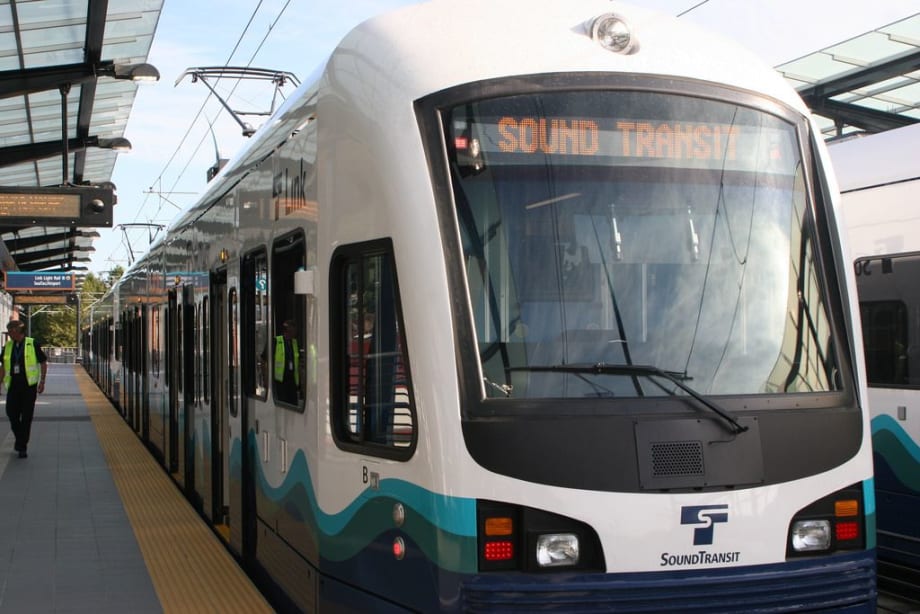
The Lynnwood Link extension is currently scheduled to open by this fall. Pre-revenue and simulated service for the extension is planned to begin in the second quarter of this year.
Photo: Sound Transit
In response to direction from the board, Seattle’s Sound Transit announced a series of actions designed to mitigate crowding and improve the experience for passengers when the Lynnwood Link extension opens later this year.
Among the steps the agency is proposing are increased storage capacity for trains, which allows for more frequent service during peak hours, and alternative bus service between Snohomish County and Seattle, including the introduction of a new temporary ST Express route.
“We want people to use Link when it opens, since it is both convenient and good for the environment,” said board Vice Chair Dave Somers. “By addressing the board’s concerns about crowding, Sound Transit is proactively preparing for improved service for transit users across the region, and we greatly appreciate the responsiveness.”
Causes for Possible Overcrowding
Originally, the 2 Line was scheduled to open before the Lynnwood Link extension. The delay of the opening of the 2 Line over Lake Washington means that the Lynnwood extension does not have access to the new Operations and Maintenance Facility (OMF) East in Bellevue, where the agency was planning on storing new railcars.
Sound Transit’s OMF Central in SODO is already at full capacity, limiting storage options and creating the potential for very crowded conditions on trains when the Lynnwood extension opens.
As a result, Sound Transit had originally projected running four-car trains every 10 minutes during peak hours. Under the new plan, four-car trains will run every eight minutes during peak hours.
Sound Transit will also deploy gap trains and extra trains as they are available during the busiest periods, when platform crowding is identified by the Link Control Center. The agency routinely deploys gap trains and extra trains during special events, such as concerts and sporting events.
The changes will create 25% more capacity on trains, reducing crowding, especially during afternoon peak hours.
Identifying Solutions
The additional capacity is possible due to Sound Transit and King County staff locating temporary storage sites for up to 36 additional vehicles outside of the OMF Central at various sites along the 1 Line.
With the extra vehicles, the maximum storage capacity of 140 vehicles will be assigned to the OMF, 35% more than it was designed to manage safety inspections and maintenance activities.
While the new service schedule will reduce crowding and improve frequency, it does come with tradeoffs. Because of the extra maintenance required for the increased number of vehicles, Sound Transit is reducing some off-peak service levels. Starting around 8 p.m., service will move from 10-minute to 12-minute headways, allowing for more vehicle maintenance in the evening.
Passengers may also experience variability in train length, timeliness, and cleanliness as a result of this updated maintenance schedule.
Besides the increased frequency in light rail service, Sound Transit is collaborating with Community Transit on ST Express alternatives for direct service from Snohomish County until the 2 Line is complete.
“We couldn’t have accomplished these improvements without our staff and our partners joining in a collaborative effort to find innovative answers to the problems that we were facing,” said Sound Transit CEO Goran Sparrman. “Their hard work has yielded a workable solution that will benefit riders until we are able to open the full 2 Line.”
The Lynwood Link’s Update
The Lynnwood Link extension is currently scheduled to open by this fall. Pre-revenue and simulated service for the extension is planned to begin in the second quarter of this year.
When the Lynnwood extension opens, riders will enjoy fast, frequent, and reliable service between south Snohomish County, the University of Washington, downtown Seattle, and Sea-Tac Airport.
The extension includes four new stations serving Lynnwood, Mountlake Terrace, Shoreline, and Seattle.
More Rail

New York MTA Advances Final Contract for Second Avenue Subway Expansion
Contract Four is the largest in the Second Avenue Subway Phase 2 project and includes construction of station infrastructure, tracks, and signals for the subway expansion, MTA officials said. Work on Contract Four will begin in 2027.
Read More →
San Diego MTS Breaks Monthly Trolley Ridership Record
Agency officials said July’s ridership indicates MTS’s continued recovery from the pandemic.
Read More →
Report Examines NJ TRANSIT Reliability, Funding Challenges
The Garden State Initiative analysis examines the roles of Amtrak infrastructure, fleet management, and agency operations while recommending a more performance-based approach to improving reliability.
Read More →
Stadler, CapMetro Sign Long-Term Rail Fleet Support Agreement
Beginning in 2027, Stadler will provide on-site technical expertise, spare parts support, training, and obsolescence management to help extend the reliability and longevity of CapMetro’s GTW fleet.
Read More →
Biz Briefs: Alstom Lands Canadian Contract, LYT to Supply California TSP, and More
In METRO's latest installment, we take a look at recent news from Complete Coach Works, Beep, FlixBus, and more partnerships making headlines across the transportation sector.
Read More →
CATS Gold Line Marks 5 Years of Service, 2.8M Passenger Trips
With a six-mile expansion planned, the Charlotte streetcar is positioned to connect more neighborhoods and major transit hubs across the region.
Read More →
Why Simulating Pedestrian Movement Has Become Essential for Modern Rail Stations
Pedestrian microsimulation is helping rail planners identify bottlenecks, test station designs, and prepare complex transit hubs for growing passenger volumes.
Read More →
Amtrak Begins Major Construction at New York’s Sunnyside Yard
The new maintenance facility will support Amtrak’s Airo trainsets while improving maintenance efficiency and turnaround times in New York.
Read More →
Chicago Leaders Unveil Plans for O’Hare Airport Express Train
The privately developed project would offer a 15-minute trip between downtown and O’Hare’s Terminal 2, with trains operating every 15 minutes on a dedicated track. The service would use battery-electric trains and three existing freight rail rights-of-way.
Read More →
OCTA Maps Out 30-Year Strategy to Protect Coastal Rail Corridor
The draft feasibility report identifies strategies to protect the coastal rail line for decades as the agency continues near-term stabilization and sand placement efforts.
Read More →