



Utah Transit Authority uses flex route program to fill service gaps
The new service is called flex because the shuttle-style vans run a regularly scheduled route through the community and can deviate up to three-fourths of a mile off the regular fixed-route for just one dollar more than the standard $2 fare.

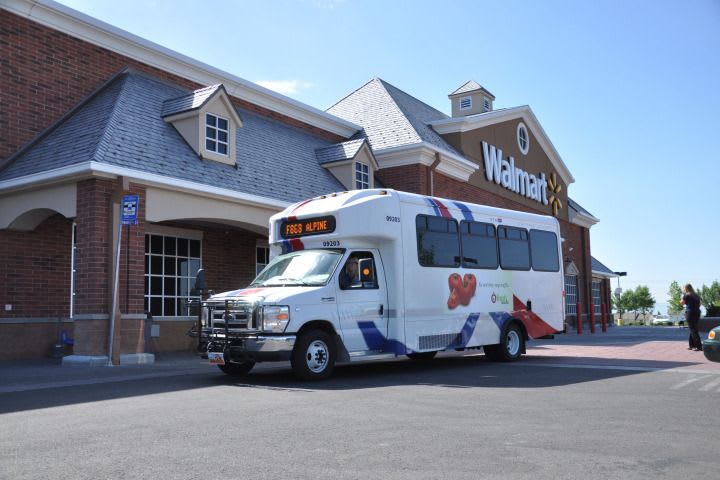
[IMAGE]UTA-2.jpg[/IMAGE]In May 2010, the Utah Transit Authority (UTA) implemented the last three lines of its nine-area flex route bus service program, which was expanded to help fill gaps caused by reducing its paratransit services.
"We like many transit agencies have faced reducing sales tax revenues because of the recession and had to do layoffs, cut services and tighten budgets, in general," explained UTA spokesperson Gerry Carpenter, who added that UTA had been providing paratransit-type services since 1988 — two years prior to the Americans with Disabilities Act being passed into law.
With plummeting tax revenues causing increasingly tough budget deficits and the FTA applying pressure on UTA to make a determination of whether it was going to exceed the three-fourths of a mile rule for every passenger and not just its paratransit customers that had been grandfathered in, the agency began addressing the issue in 2009 by proposing to eliminate any discounts, doubling fares and more strictly enforcing its three-fourths of a mile exceptions.
"Of course, there was a big backlash, because there were a lot of very concerned individuals who were going to face severe impacts to their lifestyle," said Carpenter. "So, we ended up with a compromise: We did eliminate the unlimited monthly pass and did not raise fares — we kept them what they were, which is 2.50 a trip — but, ultimately, we did say we'd go forward with the strictly enforcing the three-quarters of a mile rule."
Carpenter explained what UTA's plan did was impact distant suburbs and rural communities that did not have all-day fixed route bus or train services. UTA was soon able to come up with grant money, as well as perform some creative budgeting, to begin launching flex-route services in September 2009, while simultaneously phasing out its paratransit services, a task that was completed just prior to the latest round of flex routes were launched.
The new service is called flex because the shuttle-style vans run a regularly scheduled route through the community and can deviate up to three-fourths of a mile off the regular fixed-route for just one dollar more than the standard $2 fare. Customers can call to schedule a deviation up to two hours prior to the trip.
Carpenter said that flex routes have provided a number of advantages for its customers, including filling the gap for people who had previously utilized paratransit services but would no longer be able to because of the three-fourths of a mile enforcement.
The flex services are also cheaper for customers who are eligible to use paratransit services because, through the agency's Freedom Access Pass program, they are eligible to ride any of UTA's bus or train services free of charge and have to only pay the $1 deviation fee instead of the previous $2.50 per trip.
"The other biggest advantage, really, is that it provides transportation for everyone," said Carpenter. "To use paratransit services you have to qualify but, with this, anyone can use it and anyone can call for a deviation for any reason, like on a snow day for instance."
In what has come as a victory for the UTA, the flex routes introduced in May — The Herriman Lift, The Syracuse/Hooper Lift, and the American Fork/Alpine Lift — are seeing month-to-month increases in ridership not just from paratransit users but, also, in pickups at regular stops by the communities at large, explained Carpenter.
"We don't have any others that are planned for the near future, but we definitely see that this is an effective model," said Carpenter. "The ridership, without exception, has improved with time on every one of these routes."
More Paratransit
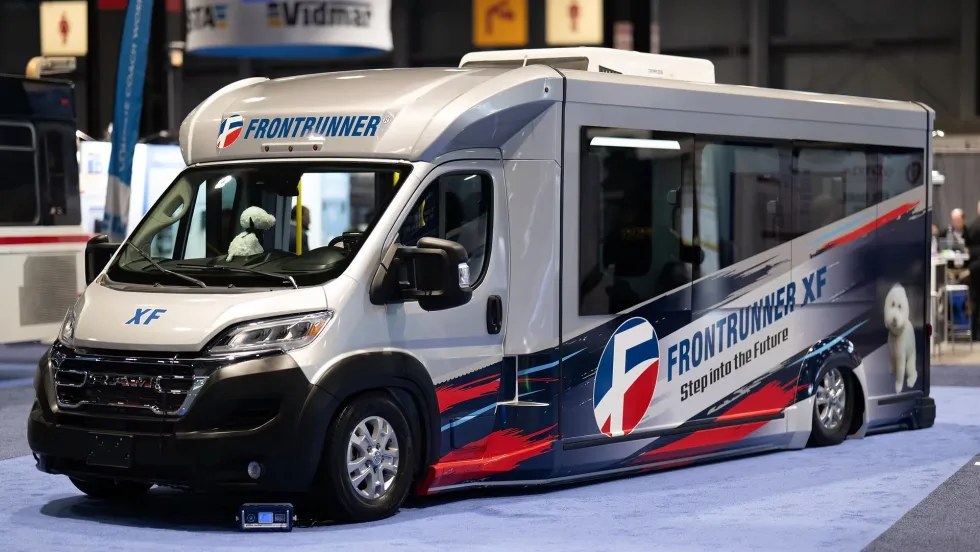
Frontrunner Bus Group Introduces XF Low-Floor Bus with Enhanced Accessibility
The new mid-sized bus features a full flat-floor design, eight-inch curbside step-in height, and zero-entry rear ramp to improve passenger access and operational flexibility.
Read More →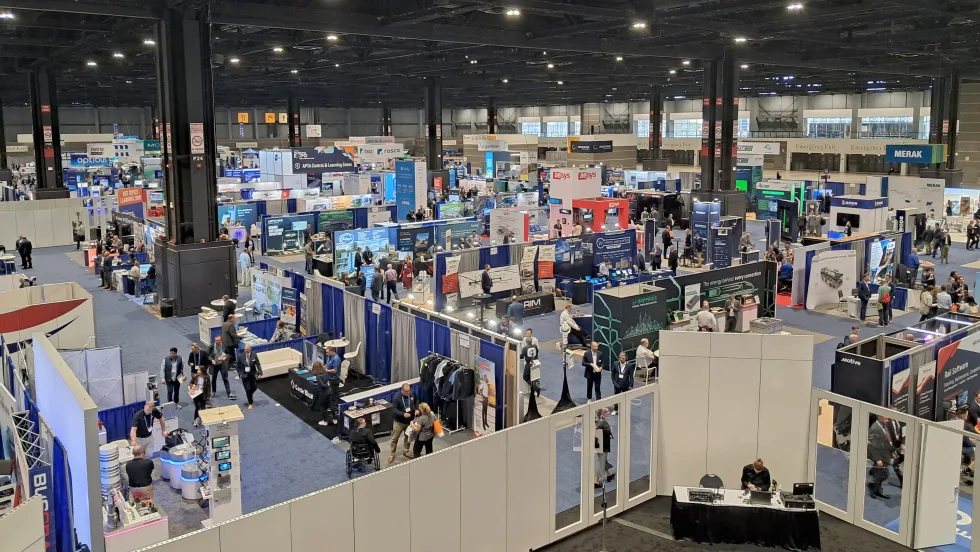
Scenes from APTA TRANSform & EXPO 2026
Transit leaders, manufacturers, and industry professionals gathered in Chicago to explore new technologies, share ideas, and discuss the future of public transportation.
Read More →
Indian River Transit’s Community-Focused Approach Earns National Recognition
Named APTA’s 2026 Outstanding Public Transportation System in its size category, Florida’s Indian River County transit system continues to grow ridership through fare-free service and a focus on evolving community needs.
Read More →
Everett Transit, Community Transit Outline Consolidation Agreement
The proposed agreement calls for a 50% increase in bus service in Everett, a new microtransit zone, continued paratransit service, and the transfer of Everett Transit operations to Community Transit.
Read More →
Driving Smarter Paratransit
John Hanlon shares how AlphaRoute is leveraging AI-powered technology to help paratransit providers optimize operations, support frontline staff, and enhance the rider experience.
Read More →
People Movement: Dan Dipert Coaches Adds Third-Generation Leader, Keolis Names New Valley Metro VP/GM, and More
In this edition, we also cover recent appointments and announcements at the Wabtec, SilverRide, HNTB, and more, showcasing the individuals helping to shape the future of transportation.
Read More →
Biz Briefs: RIPTA Unveils New Frontrunners, Clevland RTA Adds New Siemens, and More
In METRO's latest installment, we take a look at recent news from Siemens, Prevost, Dodge, and more partnerships making headlines across the transportation sector.
Read More →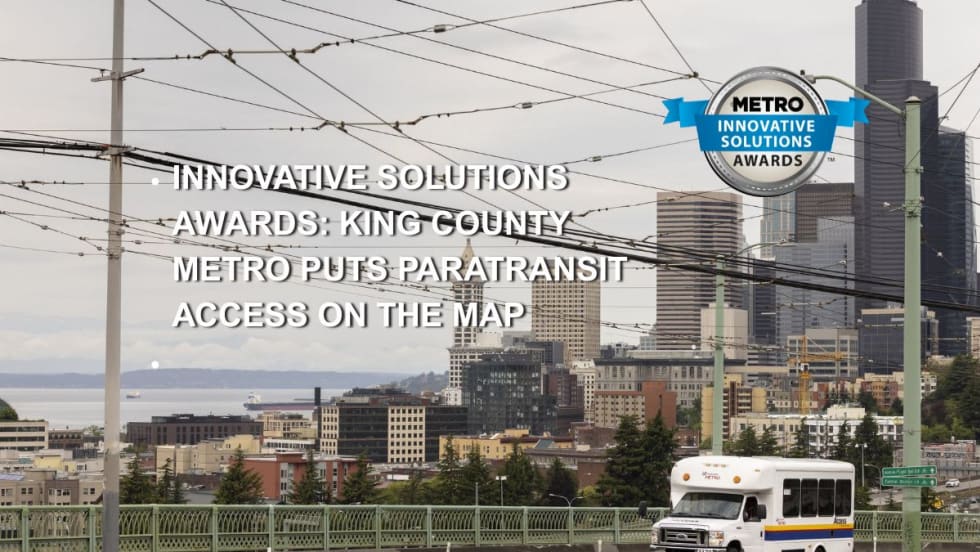
King County Metro Makes ADA Paratransit Easier to Navigate
METRO's Innovative Solutions Award winner replaces complex service-area descriptions with an accessible, interactive map that puts paratransit information directly in customers’ hands.
Read More →
Jacksonville’s NAVI Project Charts a New Course for Autonomous Public Transportation
Through its NAVI program, JTA is showing how autonomous vehicles, intelligent infrastructure, and coordinated operations can work together to deliver everyday public transportation.
Read More →
Driving Smarter Paratransit
John Hanlon shares how AlphaRoute is leveraging AI-powered technology to help paratransit providers optimize operations, support frontline staff, and enhance the rider experience.
Read More →