



Study: 4.7% of commuters use public transportation
U.S. Census analysis shows 87.7% of commuters drive to work.

A new U.S. Census Bureau analysis of data from the American Community Survey found that driving to work was the favored means of commute of nearly nine out of 10 workers (87.7 percent), with most people (77 percent) driving alone.
In contrast, 4.7 percent of commuters used public transportation to travel to work in 2005, an increase of about 0.1 percent over 2000 levels.
About half of the nation’s public transportation commuters can be found in 10 of the nation’s 50 cities with the most workers age 16 or over: Baltimore, Boston, Chicago, Houston, Los Angeles, New York, Philadelphia, San Francisco, Seattle and Washington, D.C. These cities account for 2.9 million of the nation’s 6.2 million users of public transportation.
Beyond the total number of public transportation users, these cities also had relatively high rates of public transportation use. However, Los Angeles and Houston, with rates of 10.3 percent and 5.1 percent, respectively, had lower rates than many other smaller cities, including Minneapolis (12.5 percent); Oakland, Calif. (16.5 percent); Portland, Ore. (13.3 percent) and Seattle (17 percent).
For more detailed information, visit http://www.census.gov/Press-Release/www/2007/Pub_Trans_Tables.xls.
More Management

Brian Dickson on Building Stronger, More Resilient Transportation Organizations
Bus Business Consultants Founder Brian Dickson discusses the leadership principles, operational discipline, and strategic planning that separate transportation companies positioned for long-term success from those stuck in survival mode.
Read More →
LA Metro Breaks Ground on Vermont BRT Project
The 12.4-mile corridor is projected to serve 66,200 daily riders, reduce travel times by up to 24%, and create the nation's busiest bus rapid transit corridor.
Read More →
Building Stronger Leaders, More Resilient Transit Teams
Dr. Carol Parker Walsh discusses leadership development, employee retention, workplace culture, and preparing transit’s workforce for AI and automation.
Read More →
Roman Cornell on ABC Companies’ Evolution and the Future of Passenger Transportation
The company’s CEO discusses carrying forward a third-generation family legacy, ABC’s continued evolution in passenger transportation, support for increasingly complex fleets, and how technology and continued investment could help operators improve uptime.
Read More →
CATS Launches West Charlotte Microtransit Zone, Expands Transit Services
The new microtransit zone connects residents to key destinations as Charlotte Area Transit System rolls out the first phase of its 2055 Transit System Plan.
Read More →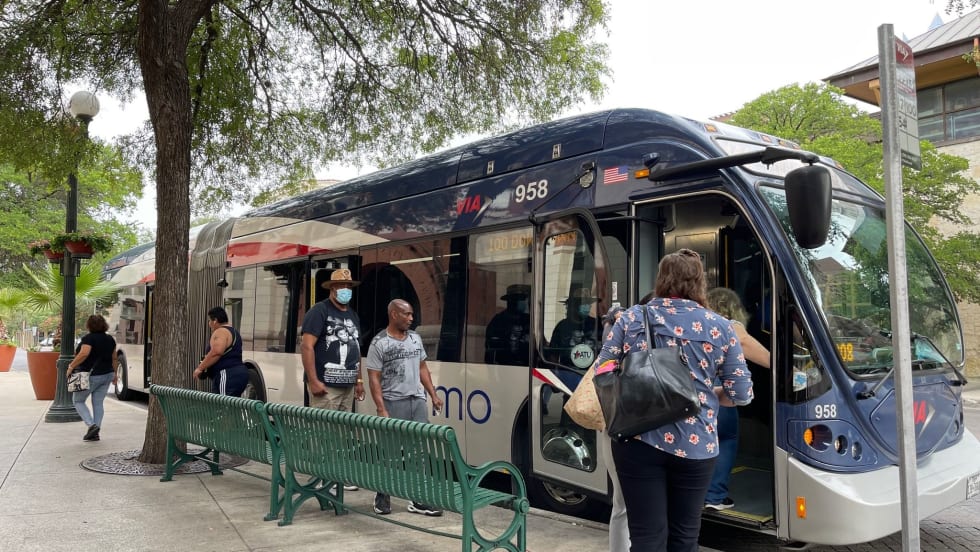
VIA Bus Ridership Grows 10.1% Through August 2026
San Antonio's VIA Metropolitan Transit reported the highest bus ridership growth among major Texas transit systems. Federal Transit Administration data ranked it second among the nation's 50 largest transit systems.
Read More →
CSA Group Releases Climate Resilience Standard for Transit, Passenger Rail
Developed with support from the Standards Council of Canada, CSA D700 guides assessing climate-related risks and planning adaptation measures for transit and passenger rail systems.
Read More →
ETA CEO John Maglio on Transit Technology, Innovation, and Building Agency Trust
ETA founder and CEO John Maglio explores the evolution of transit technology, the importance of reliable systems, and how stronger partnerships can help agencies improve operations and the passenger experience.
Read More →
COTA Launches First Customer Experience Action Plan to Improve Transit Service
The new plan outlines improvements to service reliability, accessibility, communication, and the overall rider experience across Central Ohio's transit system.
Read More →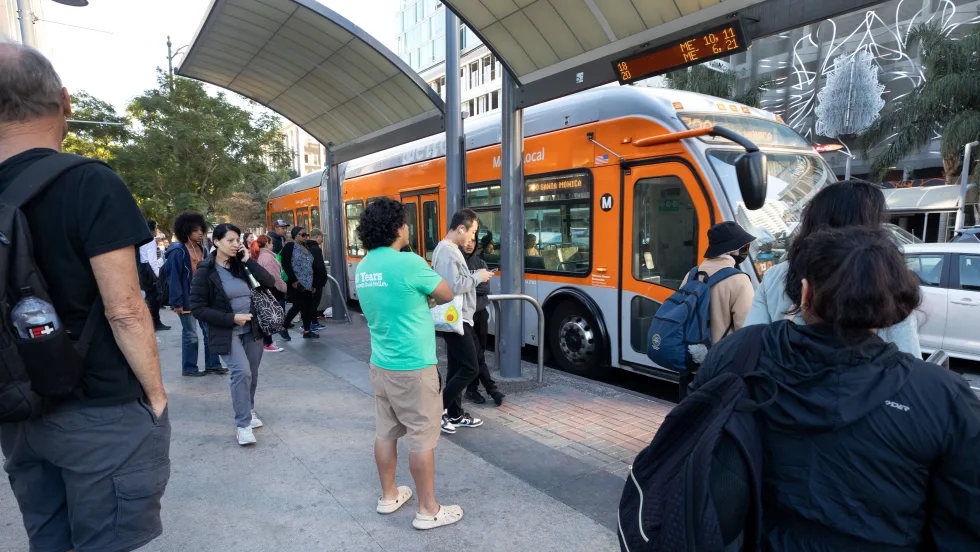
LA Metro September Ridership Climbs 3.9%, Led by Rail Growth
The agency recorded more than 27.2 million boardings, with rail ridership increasing 12.4% year over year and the D Line posting the largest gains.
Read More →