



Study finds automated shuttle buses 'opens multitude of possibilities'
They can significantly reduce operating costs under certain conditions as compared to current public transport.

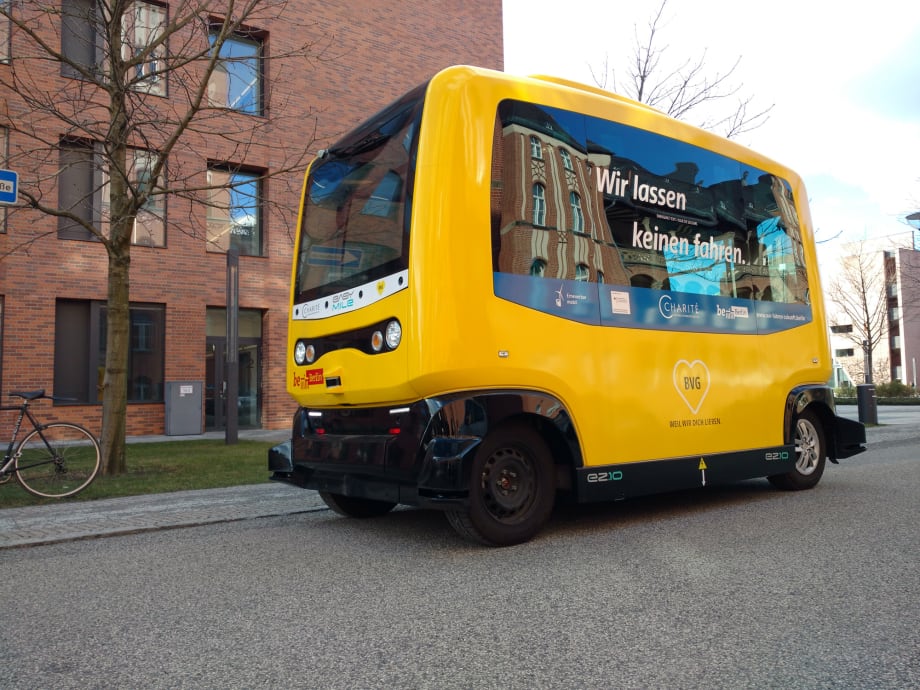
LEA (mini) bus examined the prerequisites and deployment possibilities for automated vehicles in public transport.
PTV Group
LEA (mini) bus examined the prerequisites and deployment possibilities for automated vehicles in public transport.
PTV Group
A new German-based study examines the prerequisites and deployment possibilities for automated and electrically-powered shuttles in public transport.
Researchers studied the topic from all angles: starting with the status quo and current obstacles on through to the necessary technical sophistication. From design of the infrastructure and legal aspects to issues concerning operation and efficiency in different areas on through to acceptance in society.
The examination incorporated previous experiences from international test operations, as well as expert interviews and surveys of authorities and the population.
An important component of the study was also a virtual analysis of the various deployment possibilities for fully automated and connected vehicles. What might regular operation look like when all the hurdles have been overcome? Using an actual transit model for the Stuttgart region created with PTV Visum, the researchers examined three different transit areas:
A residential area at the edge of a large city with commuter rail connection
A medium-sized city with core area and peripheral districts
A rural community
Two scenarios apiece were played through in each of these areas. On the one hand, regular service with a timetable and fixed stops; on the other hand, so-called on-demand transport with shuttles without schedule and fixed stops — in each case with fully automated and electric vehicles.
The simulation that considered the real transport demand was able to demonstrate that using self-driving vehicles in public transport, especially shuttles, opens a multitude of new possibilities for designing more flexible offerings and organizational operation. In addition, it can significantly reduce operating costs under certain conditions as compared to current public transport.
“In particular, there is significant potential for driverless on-demand transport in rural areas where demand is weak, where there are few buses today. In the urban environment, outlying areas and times can be served well,” explains Prof. Dr. Christoph Walther of PTV, an intelligent software solutions provider. “However, as soon as there is high demand and there are only limited possibilities for bundling trips, very large vehicle fleets are suddenly required, and these make operation inefficient. Regardless of whether large city or rural community, the key is always the actual conditions on-site. That’s why simulations that demonstrate the possible effects of vehicle deployments are especially important tools.“
More New Mobility

From Hardware to Digital Partner: Luminator Charts Its Next Chapter
CEO Magnus Friberg discusses Luminator’s shift toward becoming a digital partner, the growing importance of software and interoperability, and how AI can help agencies improve operations and passenger experience.
Read More →
Biz Briefs: Alstom Lands Canadian Contract, LYT to Supply California TSP, and More
In METRO's latest installment, we take a look at recent news from Complete Coach Works, Beep, FlixBus, and more partnerships making headlines across the transportation sector.
Read More →
CharterUP’s Armir Harris on Technology, AI, and the Future of Group Mobility
In a recent episode of METROspectives, CharterUP Founder/CEO Armir Harris discussed the company’s evolution from an online charter bus marketplace into a technology platform supporting public- and private-sector mobility and much more.
Read More →
Jacksonville’s NAVI Project Charts a New Course for Autonomous Public Transportation
Through its NAVI program, JTA is showing how autonomous vehicles, intelligent infrastructure, and coordinated operations can work together to deliver everyday public transportation.
Read More →
Biz Briefs: Luminator Marks Milestone and More
From manufacturers and suppliers to transit agencies and motorcoach operators, these updates offer a snapshot of the projects, partnerships and business moves driving the industry forward.
Read More →
New Tricks for Old Bureaucracies: Joshua Schank on Making Transit Innovation Stick
Former LA Metro Chief Innovation Officer Joshua Schank discusses why good ideas aren't enough, how transit agencies can overcome resistance to change, and why today's challenges demand more innovation.
Read More →
How DART's GoPass Is Redefining Regional Mobility
Serving 14 transit agencies, GoPass simplifies multimodal travel by allowing riders to plan, pay for, and manage an entire trip through one app.
Read More →
Biz Briefs: OCTA Taps Clean Energy for Hydrogen Station, Stadler to Supply Via Rail Vehicles, and More
From manufacturers and suppliers to transit agencies and motorcoach operators, these updates offer a snapshot of the projects, partnerships and business moves driving the industry forward.
Read More →CharterUP Expands Into New Mobility and Autonomous Transportation
Vice President of New Mobility Stephen Joos discusses how CharterUP is leveraging its nationwide transportation network, technology platform, and autonomous vehicle partnerships to expand into workforce mobility, campus shuttles, and transit solutions.
Read More →
METRO Magazine Announces 2026 Innovative Solutions Awards Winners
Projects Recognized for Advancing Mobility Through Technology, Accessibility, Workforce Innovation, and Operational Excellence
Read More →