



Study Highlights Economic Risks of Proposed Motorcoach Tariffs
According to the ABA, the imposition of tariffs on motorcoaches and their components would have significant negative consequences for the U.S. economy and the millions of Americans who depend on motorcoach travel for essential transportation services across the country.

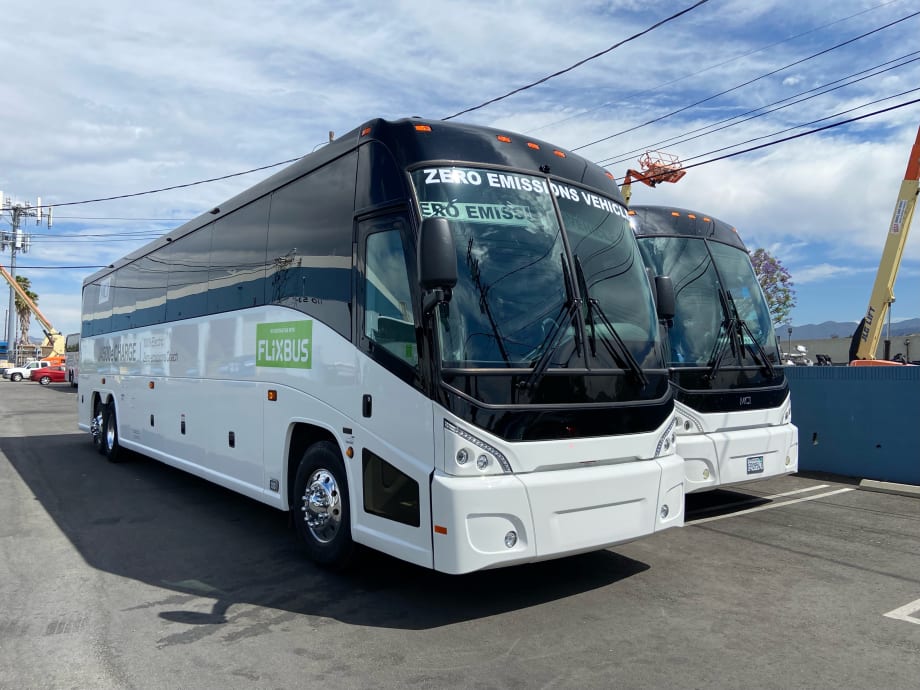
Throughout much of the 20th century, the U.S. was a global leader in motorcoach manufacturing. However, during the 1980s, a combination of shifting market conditions, new environmental regulations, and rising operational costs led many U.S. OEMs to exit the market, shifting all production overseas.
Photo: MCI
The American Bus Association (ABA), in partnership with the American Bus Association Foundation (ABAF), released a new study conducted by Oxford Economics that underscores the vital economic contributions of the motorcoach and charter bus industry and its North American supply chain.
According to the ABA, the imposition of tariffs on motorcoaches and their components would have significant negative consequences for the U.S. economy and the millions of Americans who depend on motorcoach travel for essential transportation services across the country.
The challenge is further intensified by the ongoing recovery of the motorcoach industry from the COVID-19 pandemic, which nearly halved the number of operators, with 1,800 registered motorcoach operators on the roads today.
The latest research from Oxford Economics on the impact of Canadian tariffs on motorcoaches.
“Motorcoaches are a critical part of the transportation ecosystem in the U.S., serving a diverse range of sectors, from fixed route services to private charter bus services and travel and tourism activities,” said Fred Ferguson, ABA president and CEO. “Placing tariffs on these vehicles or their components would disrupt this vital segment of the economy that drives the $100 billion motorcoach and group travel industry by raising costs for operators and increasing prices and limiting service for consumers.”
Tariffs Impacting both U.S. and Canada
Motorcoach original equipment manufacturers (OEMs) are primarily based in Canada and Europe. While many motorcoaches are imported, critical components such as engines, transmissions, and electrical systems are produced in the U.S. Imposing tariffs on imported vehicles would disrupt the supply chain, increasing costs and negatively impacting domestic manufacturers.
Throughout much of the 20th century, the U.S. was a global leader in motorcoach manufacturing. However, during the 1980s, a combination of shifting market conditions, new environmental regulations, and rising operational costs led many U.S. OEMs to exit the market, shifting all production overseas.
The Impact of the Tariffs
An analysis by Oxford Economics highlights the consequences of a 25% tariff on Canadian motorcoach imports:
Motorcoach Capacity Decrease: Reduced supply, leading to constrained operations across the U.S.
Economic Losses: A projected loss of $3.1 billion in business sales in 2026 and the elimination of 14,460 U.S. jobs.
Tax Revenue Impact: The tariffs would cause a loss of $193.4 million in Federal tax revenues—resulting in a net loss of $34.8 million to the U.S. Treasury.
Economic Contribution of the Industry
In 2023, the U.S. motorcoach and group travel industry:
Generated $107 billion in economic impact annually.
541,400 jobs supported by the motorcoach industry, with 327,000 direct jobs at motorcoach operations and other directly supported industries, including restaurants, stores, and hotels used by motorcoach passengers.
Contributed $28.2 billion in wages and $6.6 billion in federal taxes in 2023.
Consumer Impact
Higher costs would inevitably be passed on to consumers, affecting key demographics who rely on motorcoach transportation:
Commuters: Dependable and affordable daily transportation would become costlier.
Students and Schools: Charter bus services for sports events, field trips, and college travel would see price increases.
Senior Citizens: Group travel options for retirees and senior organizations could become inaccessible.
Tourists: Families and travelers relying on buses for regional and long-distance trips would face higher prices, limiting travel opportunities.
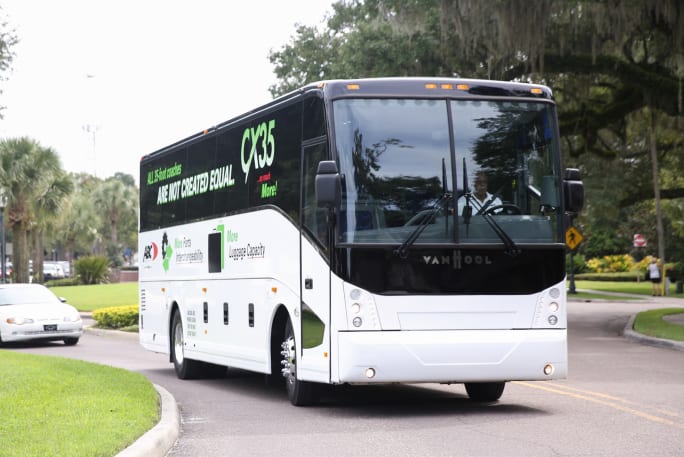
The latest research from Oxford Economics on the impact of Canadian tariffs on motorcoaches.
Photo: ABC Companies
Innovation Impact
The increased cost of new motorcoaches would also undermine technological advancements. Operators would delay purchasing new vehicles, relying instead on aging fleets. This would slow the adoption of improvements in:
Fuel Efficiency: Limiting gains in reducing emissions and operating costs.
Alternative Propulsion Systems: Such as electric and hybrid technologies.
Passenger Comfort and Safety: New safety features and modern amenities would take longer to enter the market.
“The American Bus Association urges policymakers to carefully weigh the far-reaching economic and social consequences of tariffs placed on motorcoaches,” said Callie Hoyt, sr. VP, public affairs and government relations, for the ABA. “Bus transportation is a critical link for millions of Americans, and applying tariffs could directly threaten the availability and affordability of motorcoaches by driving up costs and disrupting supply chains. This would not only harm U.S. operators who rely on access to safe, reliable vehicles but also the commuters, travelers, and events who depend on motorcoach services every day. While we understand the need to improve global competitiveness, increasing motorcoach costs risks making buses harder to acquire, maintain, and operate while undermining domestic suppliers producing key components like engines, transmissions, and electrical systems.”
More Motorcoach

METRO Opens Submissions for 2026 Motorcoach Awards
Nominations are now being accepted for METRO Magazine’s Operator of the Year and Innovative Operator of the Year awards.
Read More →
Biz Briefs: Alstom Lands Canadian Contract, LYT to Supply California TSP, and More
In METRO's latest installment, we take a look at recent news from Complete Coach Works, Beep, FlixBus, and more partnerships making headlines across the transportation sector.
Read More →
Biz Briefs: RIPTA Unveils New Frontrunners, Clevland RTA Adds New Siemens, and More
In METRO's latest installment, we take a look at recent news from Siemens, Prevost, Dodge, and more partnerships making headlines across the transportation sector.
Read More →
People Movement: Holly Arnold Joins Transdev and More
In this edition, we also cover recent appointments and announcements at Pace, CamTran, MCI, and more, showcasing the individuals helping to shape the future of transportation.
Read More →
ABA Report: Motorcoach Travel Generates $161.6B Economic Impact
The 2025 analysis finds motorcoach travel supported nearly 900,000 jobs and generated $28 billion in federal, state, and local taxes.
Read More →
CharterUP’s Armir Harris on Technology, AI, and the Future of Group Mobility
In a recent episode of METROspectives, CharterUP Founder/CEO Armir Harris discussed the company’s evolution from an online charter bus marketplace into a technology platform supporting public- and private-sector mobility and much more.
Read More →
People Movement: ABC Names John Walsh as Chief Commercial Officer
In this edition, METRO also covers recent appointments and announcements at the DART, STV, and more, showcasing the individuals helping to shape the future of transportation.
Read More →
From Surviving to Thriving: Building Stronger Transportation Organizations
Bus Business Consultants founder Brian Dickson shares lessons on leadership, organizational health, and creating options for long-term success in a changing transportation industry.
Read More →
Biz Briefs: Luminator Marks Milestone and More
From manufacturers and suppliers to transit agencies and motorcoach operators, these updates offer a snapshot of the projects, partnerships and business moves driving the industry forward.
Read More →
ABAF Study Reveals Growing Insurance Crisis for Motorcoach Operators
Preliminary findings show 98% of operators faced premium increases over the past five years, while shrinking insurer participation is putting added pressure on businesses and customers.
Read More →