




Another One: New Report Shows How to Achieve Successful Energy Transition
Study Reveals Shocking Number of People Who Prefer Public Transport Over Driving
The research investigated over 8,000 peoples’ attitudes in eight major global cities.
January 25, 2023
The research for the report was conducted by Savanta ComRes.
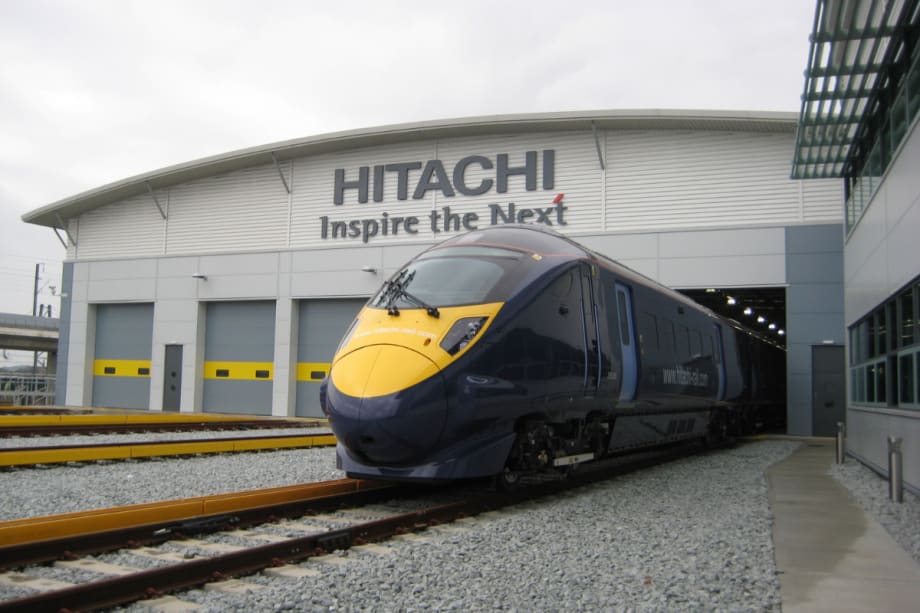
Photo: Hitachi Rail
3 min to read
Hitachi Rail published a new report investigating attitudes towards public transport and smart mobility in eight cities around the globe, including Washington, D.C., and Toronto, Canada.
The study finds that three-quarters (75%) of people would choose a better-connected public transport system, rather than driving, according to the company's news release.
The report found global demand for smart transport solutions to deliver enhanced cost, convenience, and comfort, with a willingness to pay for improvements through increased taxes on private transport.
The research for the report was conducted by Savanta ComRes. The research investigated over 8,000 peoples’ attitudes in eight major global cities: Washington, D.C., Toronto, London, Paris, Dusseldorf, Turin, Dubai, and Bangkok.
Hitachi Rail said it commissioned the research to better understand the push and pull factors for using public transport and how they interact with Hitachi Rail’s smart, digital solutions the business is rolling out to support cities around the world.
Despite Washington, D.C., having the highest number of respondents commuting via personal vehicle (81%) out of the cities surveyed, more than half (60%) of citizens in the District would choose a better connected public transport system over driving. When it comes to what motivates Washingtonians’ travel decisions, convenience (79%) and comfort (75%) lead the way, followed by crowd avoidance (67%), reliability (58%), and cost (56%).
When asked about factors that would encourage them to use public transportation more often, while ranking lower than most other global cities, respondents in the District still proved to be overall enthusiastic about public transportation. Specifically, Washingtonians want to see more convenient time schedules (82%), more accessible locations that fit their travel route (81%), and adequate space on any service during peak and off-peak times (72%).
“This is good news for public transportation officials in the DMV, as a more-connected network will greatly improve ridership, positively impacting the environment and traffic congestion issues that currently plague the region,” said Joe Pozza, president of Hitachi Rail, North America.
Respondents in Toronto also favor driving to public transport (63%), driven strongly by crowd avoidance (72%), cost (63%), and the convenience of using a personal vehicle (44%). More Torontonians (76%) see the positive environmental impact that public transport can bring.
Toronto respondents also cite the COVID-19 pandemic as having a strong impact on public transportation decisions, with more than two-thirds (67%) of Torontonians believing that the pandemic has changed how they travel now. While 54% are more likely to drive rather than use public transport because of the pandemic, 49% strongly or slightly agree that their choices in how they travel will change.
“Now that we are moving into a post-pandemic environment, we are encouraged to see how Toronto responds to public transport and the new technology, safety programs, and sustainability practices that have become available since they last rode,” said Barr.
Across every city, the majority (averaging 71%) noted that they now travel differently following the pandemic. Those surveyed do however expect that how they travel will change again (59%).
More Rail

New York MTA Advances Final Contract for Second Avenue Subway Expansion
Contract Four is the largest in the Second Avenue Subway Phase 2 project and includes construction of station infrastructure, tracks, and signals for the subway expansion, MTA officials said. Work on Contract Four will begin in 2027.
Read More →
San Diego MTS Breaks Monthly Trolley Ridership Record
Agency officials said July’s ridership indicates MTS’s continued recovery from the pandemic.
Read More →
Report Examines NJ TRANSIT Reliability, Funding Challenges
The Garden State Initiative analysis examines the roles of Amtrak infrastructure, fleet management, and agency operations while recommending a more performance-based approach to improving reliability.
Read More →
Stadler, CapMetro Sign Long-Term Rail Fleet Support Agreement
Beginning in 2027, Stadler will provide on-site technical expertise, spare parts support, training, and obsolescence management to help extend the reliability and longevity of CapMetro’s GTW fleet.
Read More →
Biz Briefs: Alstom Lands Canadian Contract, LYT to Supply California TSP, and More
In METRO's latest installment, we take a look at recent news from Complete Coach Works, Beep, FlixBus, and more partnerships making headlines across the transportation sector.
Read More →
CATS Gold Line Marks 5 Years of Service, 2.8M Passenger Trips
With a six-mile expansion planned, the Charlotte streetcar is positioned to connect more neighborhoods and major transit hubs across the region.
Read More →
Why Simulating Pedestrian Movement Has Become Essential for Modern Rail Stations
Pedestrian microsimulation is helping rail planners identify bottlenecks, test station designs, and prepare complex transit hubs for growing passenger volumes.
Read More →
Amtrak Begins Major Construction at New York’s Sunnyside Yard
The new maintenance facility will support Amtrak’s Airo trainsets while improving maintenance efficiency and turnaround times in New York.
Read More →
Chicago Leaders Unveil Plans for O’Hare Airport Express Train
The privately developed project would offer a 15-minute trip between downtown and O’Hare’s Terminal 2, with trains operating every 15 minutes on a dedicated track. The service would use battery-electric trains and three existing freight rail rights-of-way.
Read More →
OCTA Maps Out 30-Year Strategy to Protect Coastal Rail Corridor
The draft feasibility report identifies strategies to protect the coastal rail line for decades as the agency continues near-term stabilization and sand placement efforts.
Read More →