



TransLink Expands Pilot to Test Copper Coating on Transit
The first phase of the pilot project found the copper killed up to 99.9% of all bacteria on transit surfaces within one hour.
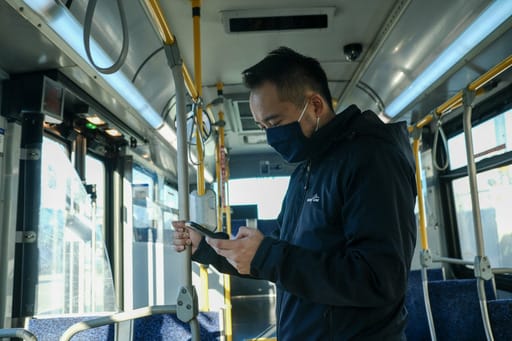
Phase one of the pilot began in November 2020 as part of TransLink's COVID-19 response. The trial lasted five weeks on two buses and two SkyTrain cars.
TransLink
Results from a trial conducted by Vancouver, Canada’s TransLink shows that copper is effective at killing bacteria on high-touch transit surfaces.
Based on sample testing performed on transit and in a lab, the trial concludes that select copper products on transit are durable and kill up to 99.9% of all bacteria within one hour of the bacteria’s contact with the surface.
Of the more than 1,140 samples were collected and analyzed, the two products that performed best in the transit environment were the copper decals and the copper nickel plasma sprays. Tests were conducted using surface cultures and ATP bioluminescent testing on samples taken from transit surfaces.
Phase one of the pilot began in November 2020 and lasted five weeks on two buses and two SkyTrain cars. To expand on phase one’s results, a second phase will be launched in the coming months to verify the results with a larger sample of data.
The pilot’s second phase will include:
Testing copper products on more train cars and buses.
Testing over a longer amount of time to analyze varied conditions.
Focused tests on the products that were most effective in our transit environment.
Public engagement to measure copper’s impact on customer confidence.
TransLink was the first transit agency in North America to test copper on transit surfaces. The pilot was launched as part of the agency’s COVID-19 response through the Safe Operating Action Plan. The results of the study could have wide-reaching impacts for infection prevention for the transit industry and other industries that rely on shared public spaces.
The pilot is the result of a partnership between TransLink, Teck Resources Limited (Teck), Vancouver Coastal Health (VCH), the University of British Columbia (UBC), and the VGH & UBC Hospital Foundation. The initial phase was fully funded by Teck, as part of its Copper & Health program. The second phase will also be supported by Teck.
More Security and Safety
Safe Transit Act Proposes New Security Requirements for Federal Transit Funding
Proposed legislation would link federal transit dollars to safety measures while requiring security investments, onboard cameras, and new fare collection standards.
Read More →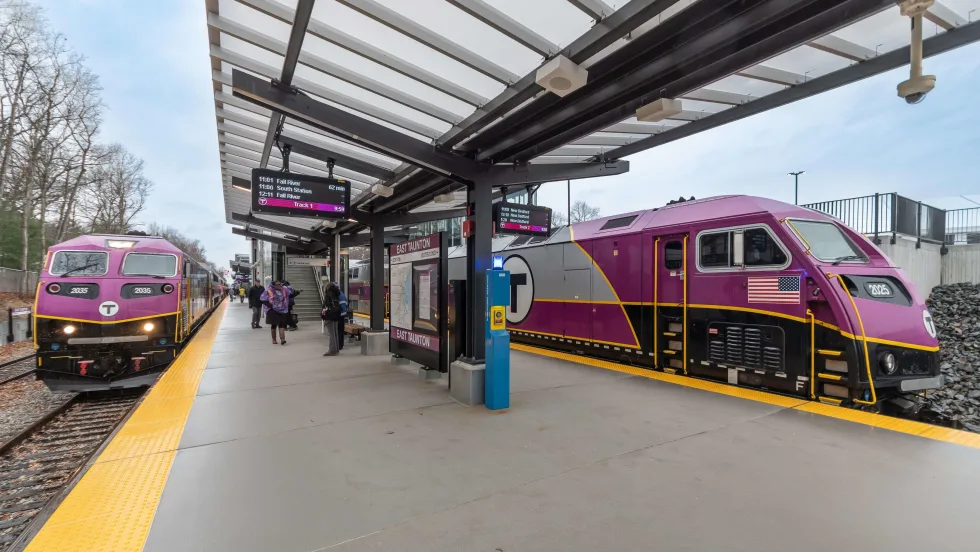
FTA Ends Direct Oversight of MBTA Safety Actions
The federal agency closed its remaining special directive to the Massachusetts Department of Public Utilities following a safety review that began in 2022.
Read More →
Transit Agencies Highlight Safety Gains at National Summit
Leaders from 15 major transit systems shared crime-reduction results and safety initiatives while discussing the role of continued federal support.
Read More →
DART Launches Major Security, Fare Enforcement Initiative
The 90-day demonstration will deploy coordinated security teams at five light rail stations while testing controlled access and gathering data to guide future investments.
Read More →
RTD Launches NextRide App to Consolidate Trip Planning, Fares, Security Reporting
The app expands on RTD’s existing NextRide web application and allows customers to view real-time vehicle locations and service alerts, purchase and store digital fares, and access customer support.
Read More →
TAPTCO Updates OSHA Compliance Training for Transit Maintenance Operations
The revamped program addresses 26 OSHA standards for maintenance facilities, with TAPTCO pointing to training, documentation, and everyday shop hazards as continuing challenges for transit operations.
Read More →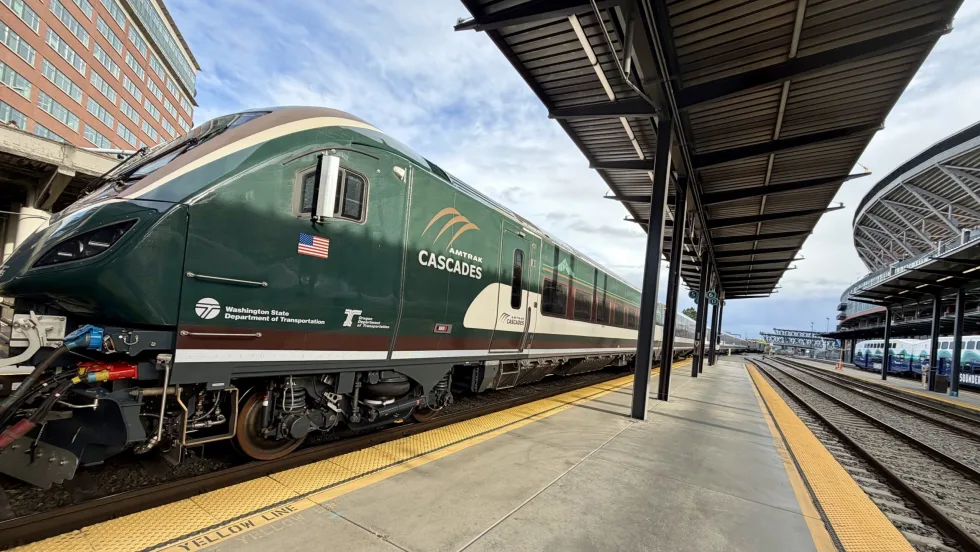
FRA Announces $5.3B in Rail Investments, Including $2B for Amtrak
Funding will support grade-crossing improvements, infrastructure upgrades, and new Amtrak equipment in 23 states.
Read More →
Chicago, Maryland Expand Non-Law-Enforcement Safety, Rider Support
The CTA and MTA are launching new programs aimed at de-escalation, crisis response, rider assistance, and greater transparency.
Read More →
LA Metro, City of West Hollywood, and Partners Advance Smarter Bus Lane Enforcement
The award-winning partnership combines AI-powered detection with human oversight to improve bus reliability, accessibility, and enforcement efficiency.
Read More →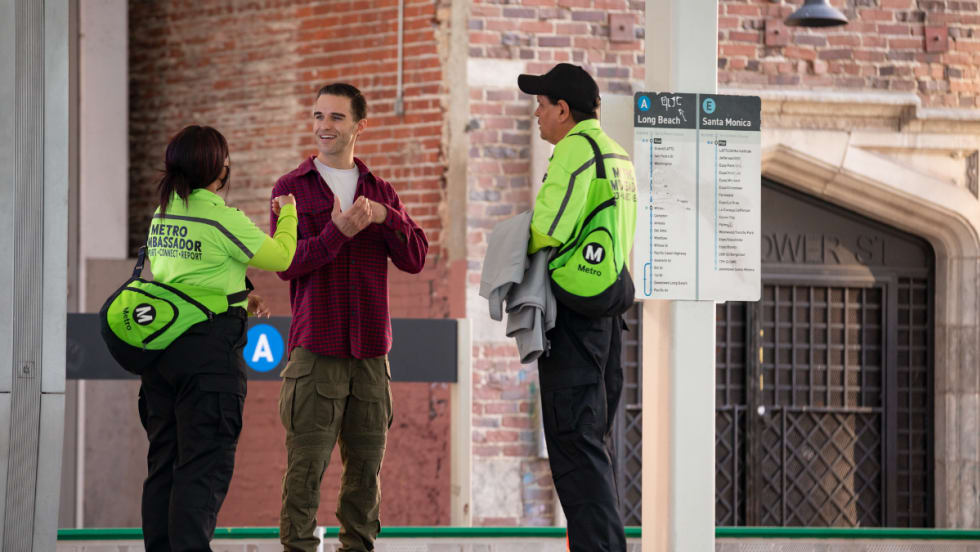
LA Metro Reports 57% Decline in Homelessness on Transit System Since 2024
The agency's latest homelessness count offers new data on how care-based services and cross-sector partnerships can complement traditional transit security strategies.
Read More →