



STV to Plan New Valley Metro Bus Maintenance Facility
The facility addresses the ongoing growth in the Greater Phoenix area, particularly in the West Valley, one of the fastest-expanding regions in Arizona.

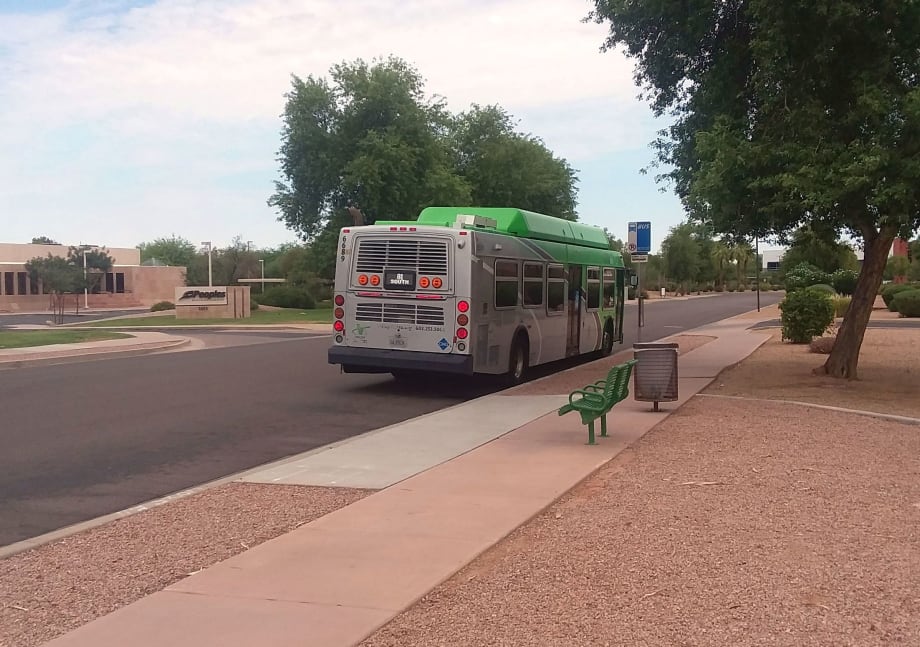
The new Valley Metro facility will be designed to accommodate various types of transit vehicles, including buses, paratransit, and microtransit, ensuring seamless service as demand continues to grow.
Photo: METRO Magazine
Arizona’s Regional Public Transportation Authority (Valley Metro) awarded STV a project to support the siting and conceptual design of a new West Valley Bus and Paratransit Operations and Maintenance Facility.
The facility addresses the ongoing growth in the Greater Phoenix area, particularly in the West Valley, one of the fastest-expanding regions in Arizona.
Preparing Valley Metro for Expansion
While Valley Metro’s bus service currently offers limited coverage west of AZ-101, the agency anticipates expanding its service in this area in the coming years.
The new facility will be designed to accommodate various types of transit vehicles, including buses, paratransit, and microtransit, ensuring seamless service as demand continues to grow.
STV will lead initial siting and design efforts, evaluating current and projected service levels in the West Valley, conducting needs assessments, performing site selection and feasibility analyses, and developing conceptual layouts.
Additional Work for STV
Simultaneously, STV is continuing to advance Valley Metro’s Rio East-Dobson Extension (REDE) project, which recently secured a nearly $16 million federal Rebuilding American Infrastructure with Sustainability and Equity (RAISE) grant among 148 projects selected nationwide this year, totaling $1.8 billion in awards.
The REDE project proposes to extend the existing Valley Metro Streetcar by approximately 4.35 miles from downtown Tempe into Mesa, Ariz.’s third-largest city.
The extension aims to enhance mobility and connectivity by offering more reliable service with a dedicated guideway, increased service capacity, smoother rides, and direct connections.
STV has been providing planning and design services for the REDE project since summer 2023. Currently, STV’s team has identified potential track locations and stop areas, and is now evaluating transit access, adjacent land uses, cost, ridership potential, right-of-way needs, and environmental impacts for the different options.
Recent public meetings in Tempe and Mesa gathered community feedback, complemented by a self-guided online open house. STV will continue to evaluate alternatives and refine design concepts through fall 2024, with the objective of selecting the locally preferred alternative by year-end.
More Bus

ENC Lands MATA Contract and More in Biz Briefs
In this edition of Biz Briefs, we spotlight the latest developments shaping the future of mobility.
Read More →
From Surviving to Thriving: Building Stronger Transportation Organizations
Bus Business Consultants founder Brian Dickson shares lessons on leadership, organizational health, and creating options for long-term success in a changing transportation industry.
Read More →
Everett Transit, Community Transit Outline Consolidation Agreement
The proposed agreement calls for a 50% increase in bus service in Everett, a new microtransit zone, continued paratransit service, and the transfer of Everett Transit operations to Community Transit.
Read More →
SEPTA Details Accelerate Vision for Transit System
The plan outlines investments in trolley modernization, new Metro and Regional Rail vehicles, accessible stations, and more frequent bus and rail service.
Read More →
Report: Transit Bus Manufacturing Supports 34,100 Jobs, $5.1B in GDP
The “Buses Mean Business” report examines the transit bus manufacturing industry’s economic footprint, supply chain, and rising demand for vehicle replacements.
Read More →
Biz Briefs: New Flyer Delivers in Columbus, Houston, Beep and Freebee Merge, and More
In this edition of Biz Briefs, we spotlight the latest developments shaping the future of mobility.
Read More →
People Movement: Dan Dipert Coaches Adds Third-Generation Leader, Keolis Names New Valley Metro VP/GM, and More
In this edition, we also cover recent appointments and announcements at the Wabtec, SilverRide, HNTB, and more, showcasing the individuals helping to shape the future of transportation.
Read More →
New York MTA Plans Largest Bus Fleet Upgrade in More Than a Decade
The agency is seeking manufacturers for 650 new CNG buses to replace aging vehicles, improve reliability, and advance its broader fleet modernization strategy.
Read More →
Building a Flexible Path to Transit Electrification
John Hroncich discusses BAE Systems’ modular and scalable approach, lessons learned from decades of real-world operations, and how agencies can identify electrification strategies that fit their fleets.
Read More →
Bus Tech Talk: Keeping Transit Technicians Ahead of the Technology Curve
LA Metro’s Obed Mejia discusses technician training, evolving maintenance technology, fleet replacement, and strategies for getting the most out of today’s transit fleets.
Read More →