




RELATED: Moving to cloud boosts efficiency, customer experience
Tech veteran tapped to lead ITS company GMV Syncromatics
Rich Archuleta's career includes a 26-year stint with Hewlett Packard, where he started out in semiconductor research.
February 4, 2020

1 min to read
Technology company GMV has announced the appointment of Rich Archuleta as CEO of its Los Angeles ITS company, GMV Syncromatics, effective January 2020.
Archuleta is replacing Ian Sephton who, after seven years as CEO, will continue to serve on the Board of Directors of GMV Syncromatics.
Career highlights include a 26-year stint at Hewlett Packard (HP), where he started out in semiconductor research, and he soon gained a reputation as a strategic business leader. He re-booted HP’s struggling PC notebook business, was subsequently named Mobile Computing’s “Person of the Year” and was launched into larger GM roles within HP.
Archuleta’s management roles at HP included product and operating responsibilities across multiple units of the $4B business, which employs 2,500 worldwide.
In 2007 Archuleta was appointed CEO of Plastic Logic, a company he grew from 30 to 400 employees with a research office in Cambridge, a product development department in Silicon Valley, a display factory in Dresden and operations near Moscow. Afterwards he worked as a consultant to diverse technological companies.
GMV Syncromatics currently provides its Intelligent Transportation System solutions to over 130 operators and public-transport authorities in 25 different states across the U.S. Its flagship clients include the City of Los Angeles Department of Transportation, the Los Angeles Metropolitan Transportation Authority, and MV Transportation.
More Technology

ETA CEO John Maglio on Transit Technology, Innovation, and Building Agency Trust
ETA founder and CEO John Maglio explores the evolution of transit technology, the importance of reliable systems, and how stronger partnerships can help agencies improve operations and the passenger experience.
Read More →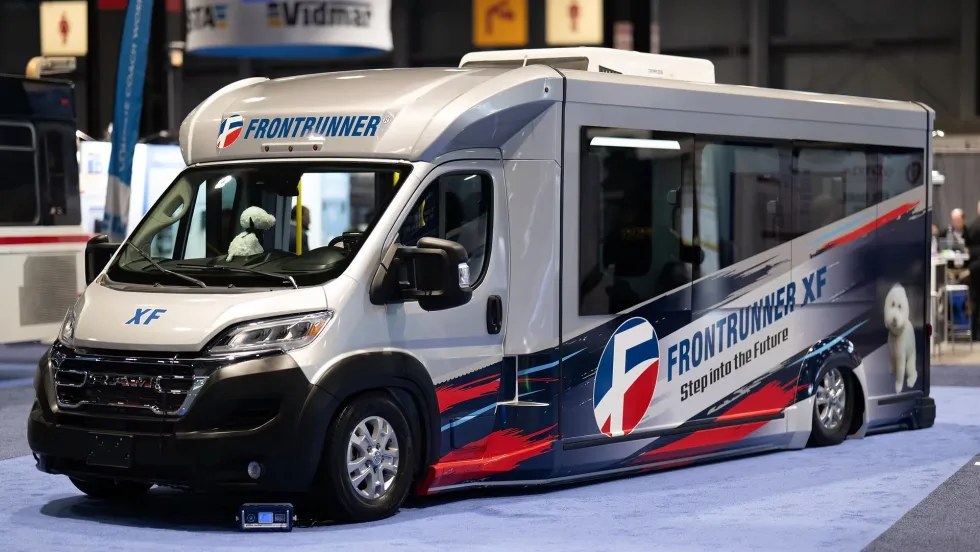
Frontrunner Bus Group Introduces XF Low-Floor Bus with Enhanced Accessibility
The new mid-sized bus features a full flat-floor design, eight-inch curbside step-in height, and zero-entry rear ramp to improve passenger access and operational flexibility.
Read More →
Building a Flexible Path to Transit Electrification with BAE's John Hroncich
John Hroncich discusses BAE Systems’ modular and scalable approach, lessons learned from decades of real-world operations, and how agencies can identify electrification strategies that fit their fleets.
Read More →
Scenes from APTA TRANSform & EXPO 2026
Transit leaders, manufacturers, and industry professionals gathered in Chicago to explore new technologies, share ideas, and discuss the future of public transportation.
Read More →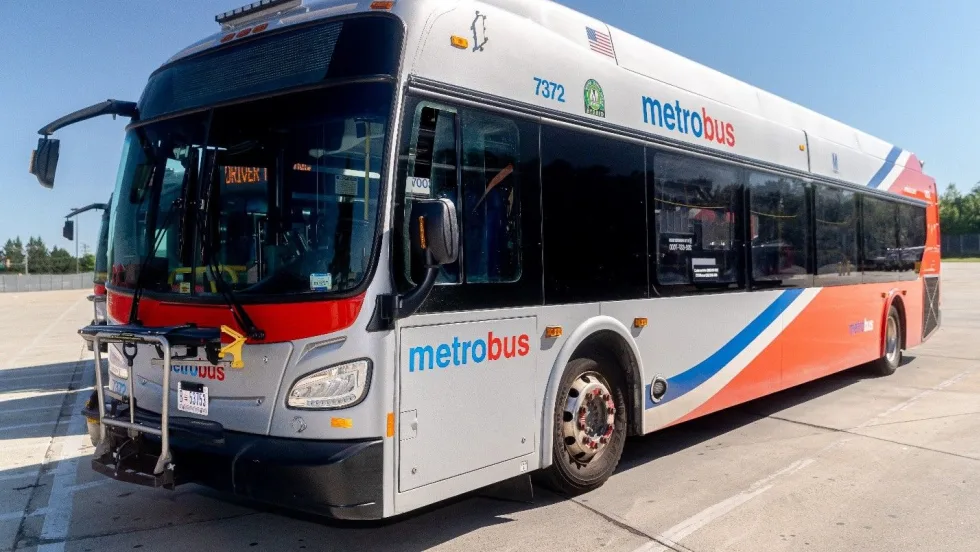
Biz Briefs: New Flyer Secures Additional 100-Bus Order from WMATA and More
In METRO's latest installment, we also take a look at recent news from Masabi, MCI, Samsara, and more partnerships making headlines across the transportation sector.
Read More →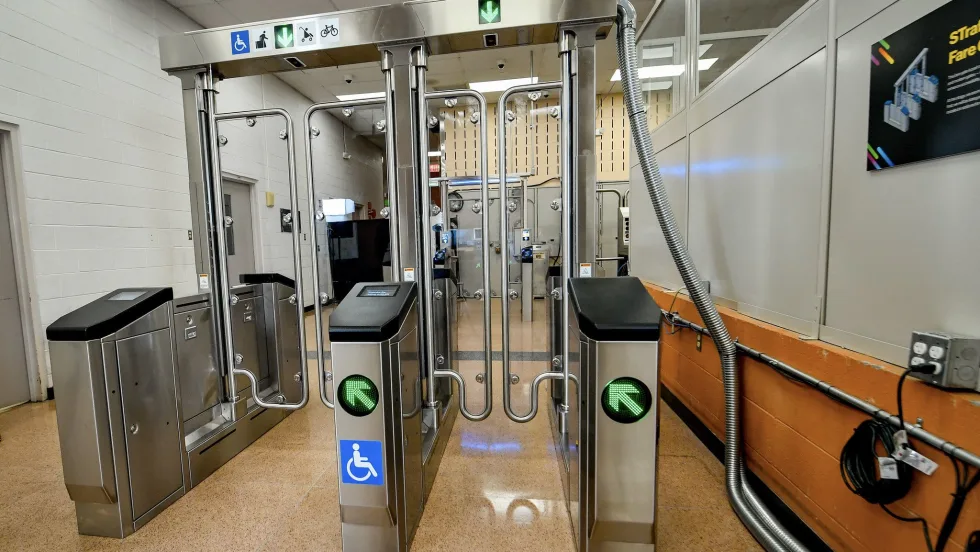
MTA Fare Gate Pilot Reduces Fare Evasion by 35%
Following a 20-station pilot, the agency plans to install new fare gates at 20 additional subway stations as part of a $1.1 billion modernization initiative.
Read More →
California Law Extends AC Transit’s Bus Lane Camera Enforcement
The new law allows AC Transit to continue using forward-facing bus cameras to enforce parking violations in bus-only lanes and at bus stops.
Read More →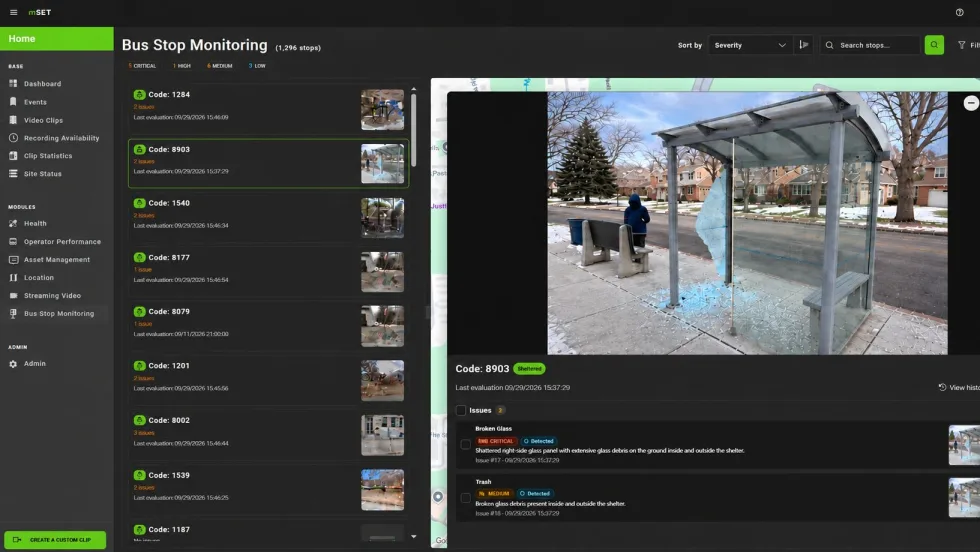
Biz Briefs: Luminator Launches AI Technology to Monitor Bus Stop Conditions and More
In METRO's latest installment, we also take a look at recent news from Masabi, Troman Industries, ioki, CCW, and more partnerships making headlines across the transportation sector.
Read More →
Public Transit Conference Returning to GFX in 2027, Call for Papers Now Open
The Call for Papers is now open, allowing transit agency professionals and industry experts to help shape the PTC educational program by submitting session ideas for consideration.
Read More →
ENC Lands MATA Contract and More in Biz Briefs
In this edition of Biz Briefs, we spotlight the latest developments shaping the future of mobility.
Read More →