



TransCore and UTA reduce missed transfers with system
Initial results show that on average eight buses are held each day, with departures delayed from three to 15 minutes.

TransCore's intelligent transportation systems (ITS) unit has teamed with the Utah Transit Authority (UTA) to design and develop the first automated connection protection system that reduces the number of passengers who miss their transfer from the city's light rail system to the city bus. The system is now installed at all 20 TRAX stations, the city's light rail system, and is used on select routes. Initial results show that on average eight buses are held each day, with a minor deferment in departure. Using GPS and radio technology, rail arrival and departure information is automatically relayed to the connection protection system. The system correlates the expected time of train arrivals with connection departures. Then the system determines when to hold a bus and how long a bus can wait. An automated message is sent to the bus driver instructing him to wait until a specific time for the arriving train. Information is relayed between trains, buses and the transit authority through mobile data terminals, which are mounted on both trains and buses. The terminals on trains contain a GPS receiver that provides location information via a 900 MHz radio.
More Management

DART Taps Nathaniel P. Ford Sr. as Next President/CEO
Since 2012, Ford has served as the CEO of the Jacksonville Transportation Authority
Read More →
AC Transit’s Cecil Blandon on Building the Next Generation of Transit Maintenance Leaders
The agency’s maintenance chief discusses leadership, workforce development, zero-emission technology, and preparing technicians for the future of public transportation.
Read More →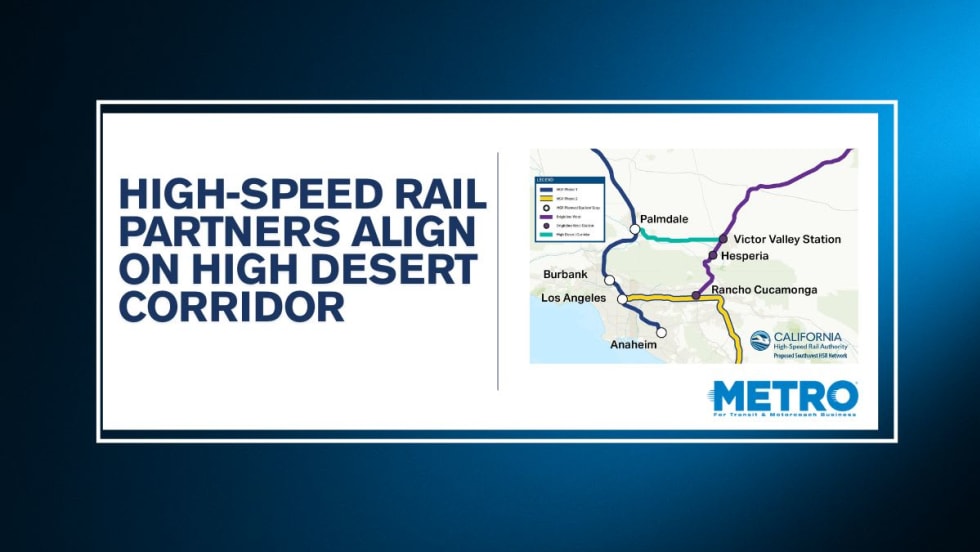
California High-Speed Rail Authority Signs MOU to Advance High Desert Corridor
The agreement deepens collaboration between the California High-Speed Rail Authority and the High Desert Corridor Joint Powers Agency, supporting design integration, cost savings, and faster delivery of a key Southern California rail link.
Read More →
Building the Next Generation of Transit Technology
In this edition of METROspectives, Luminator CEO Magnus Friberg discusses the company's transformation, the growing role of AI and software, and what's next for transit technology.
Read More →
How Data, Strategy, and Community Engagement Are Reshaping Transit
In this edition of METROspectives, strada360 CEO Steve Lassey discusses how transit agencies can better align planning with operations, leverage data to improve decision-making, and build public trust as they prepare for the future of mobility.
Read More →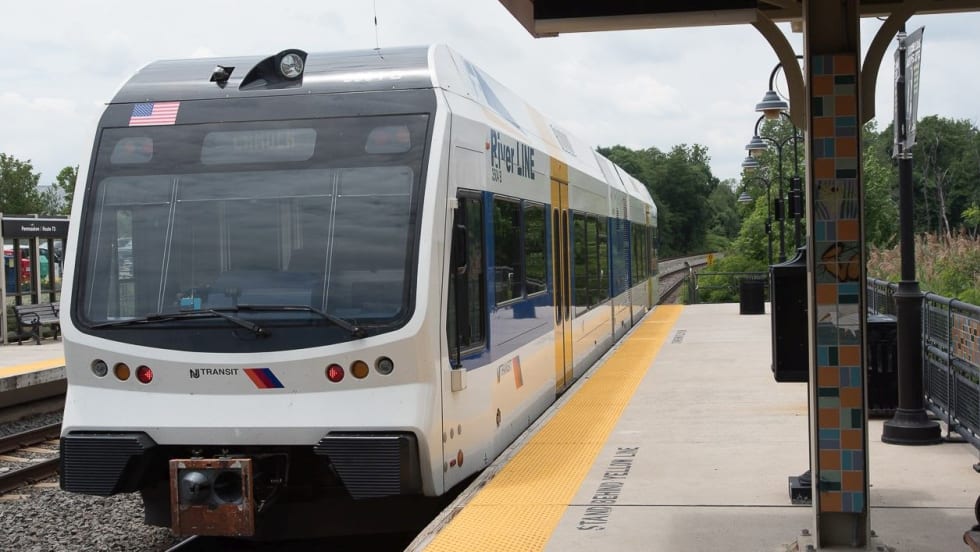
NJ TRANSIT Secures Capital Funding, Adopts FY2027 Budget
The budgets continue investments in infrastructure and equipment to maintain the system in a state of good repair and enhance the overall customer experience.
Read More →
Federal Railroad Administration Study Finds Upgrades Could Boost Penn Station Capacity by One-Third
The study outlines a roadmap for increasing train throughput while preparing Penn Station for future growth across the Northeast Corridor.
Read More →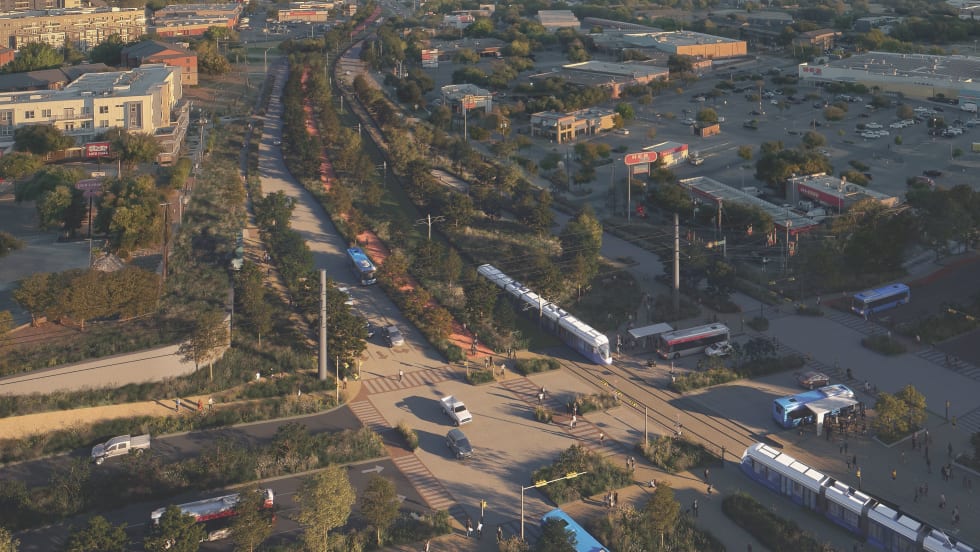
Austin Transit Partnership Selects Stadler to Manufacture Light Rail Vehicles
The award marks the conclusion of a series of major procurements over 18 months, as outlined in ATP’s delivery plan, and keeps Austin Light Rail on track.
Read More →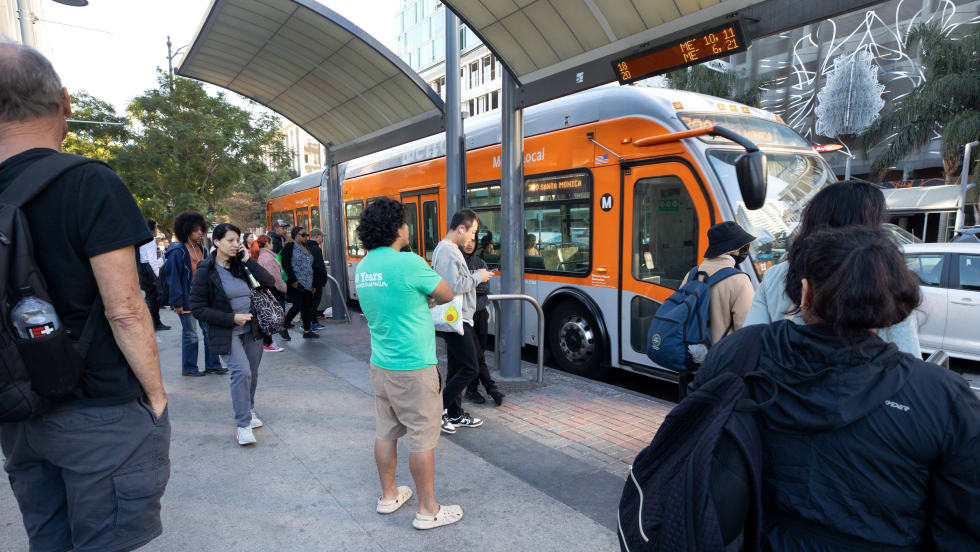
June LA Metro Ridership Surges 2 Million Year Over Year
Total June ridership increased for both weekdays and weekends. Weekday ridership was 953,820, which grew 8.4% from June 2025; Saturdays increased nearly 13% year-over-year to 708,826; and Sundays increased 7.7% to 611,534 from June 2025, according to LA Metro.
Read More →
Washington's Pierce Transit Board Sends Transit Funding Measure to November Ballot
With the adoption of Resolution 2026-006, the measure moves to the Pierce County Auditor, giving voters in the Pierce Transit service area the decision on whether to fund an expansion of local transit service within the agency’s service area.
Read More →