



Transport for London Piloting CCTV at Bus Shelters
The trial is designed to improve passenger safety, especially for women and girls, and ensure they can travel with confidence 24 hours a day.

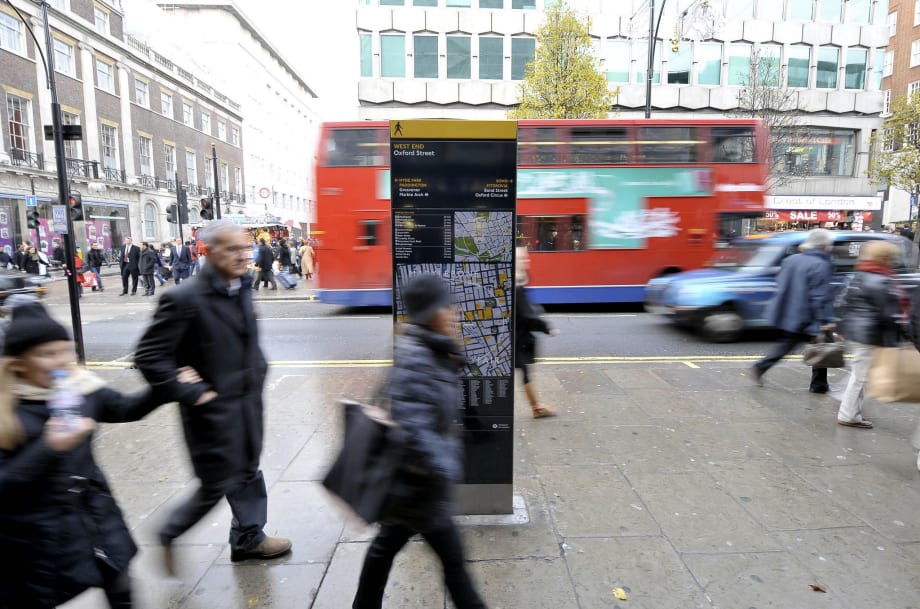
The cameras will be available to the Met to help prevent and investigate crime and to improve incident response with live access.
Photo: TfL
Transport for London (TfL) is launching a 12-month trial of CCTV at 20 bus shelters across London, together with the Metropolitan Police Service (Met).
The trial is designed to improve passenger safety, especially for women and girls, and ensure they can travel with confidence 24 hours a day.
Tackling violence against women and girls remains a key priority for TfL and the police, with the trial yet another step toward delivering the Mayor's commitment to increase CCTV in bus shelters.
Continuing TfL’s Test
The technology was tested at five bus shelters in March, and now a further 15 bus shelter locations have been fitted with CCTV systems.
The locations were selected to provide good coverage across London and to understand the effectiveness of CCTV in different areas. This includes busy locations with high footfall, quieter locations with less frequent bus services, higher crime areas, or locations where women and girls have reported feeling more unsafe.
The cameras will be available to the Met to help prevent and investigate crime and to improve incident response with live access. Footage, which only the Met will have access to, will be retained for 31 days to support police investigations.
TfL will also gather feedback from customers and stakeholders throughout the trial to assess the feeling of safety and security for customers using the bus network.
Safety for Women, Girls
TfL has been a longstanding supporter of White Ribbon Day, a global movement to end male violence against women and girls. This White Ribbon Day, TfL has partnered with Tottenham Hotspur F.C, Fulham F.C, and Crystal Palace F.C to raise awareness of this important topic and to make it clear that gender-based violence and harassment is not tolerated.
TfL has also displayed white ribbons on its Piccadilly and Northern Line trains and trams, and the Cable Car LED lights have been changed to white in support of White Ribbon Day.
TfL is working hard to make the transport network safer in a variety of ways, with the introduction of mobile coverage across the Tube and Elizabeth line — including within tunnels — allowing people to stay connected while on the move. Large sections of central London now have coverage, and work is underway to expand coverage along the Northern, Victoria, and Piccadilly lines in the coming months.
As part of the Mayor's strategy to end violence against women and girls, TfL and the Mayor's Office for Policing and Crime (MOPAC) have also worked with “We Made That” and carried out women's safety audits in the boroughs of Hillingdon, Lambeth, Westminster, Waltham Forest, and Brent.
More than 70 audits have been completed by 50 women. Women's safety audits help to better understand the perceptions and experiences of women, girls, and gender diverse people in their use of public spaces and what is needed to make them safer and to feel safer. TfL and MOPAC are reviewing the findings to consider how audits can be used to plan, design, and manage public spaces.
More Security and Safety

Transit Agencies Highlight Safety Gains at National Summit
Leaders from 15 major transit systems shared crime-reduction results and safety initiatives while discussing the role of continued federal support.
Read More →
DART Launches Major Security, Fare Enforcement Initiative
The 90-day demonstration will deploy coordinated security teams at five light rail stations while testing controlled access and gathering data to guide future investments.
Read More →
RTD Launches NextRide App to Consolidate Trip Planning, Fares, Security Reporting
The app expands on RTD’s existing NextRide web application and allows customers to view real-time vehicle locations and service alerts, purchase and store digital fares, and access customer support.
Read More →

TAPTCO Updates OSHA Compliance Training for Transit Maintenance Operations
The revamped program addresses 26 OSHA standards for maintenance facilities, with TAPTCO pointing to training, documentation, and everyday shop hazards as continuing challenges for transit operations.
Read More →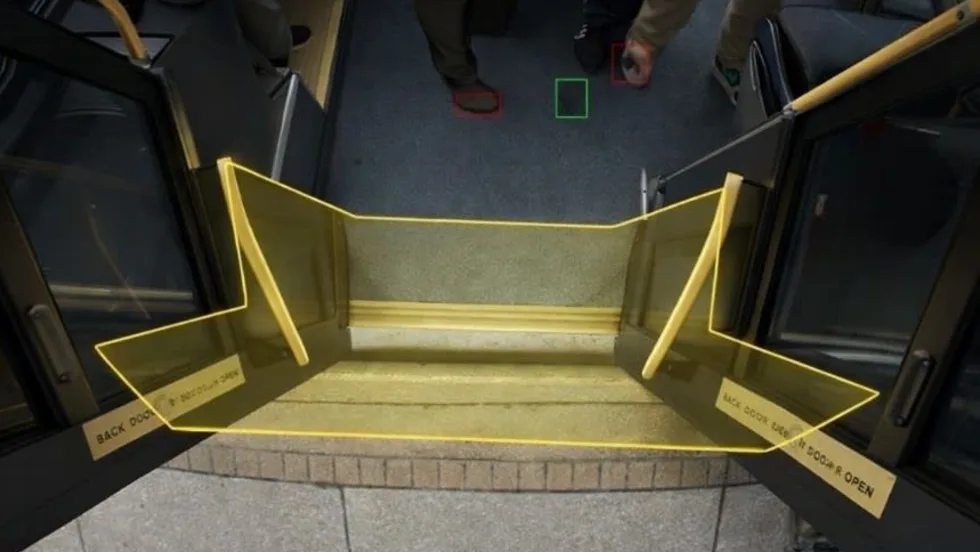
How VaporVision Adds Value to Transit Door Systems
Wabtec engineers explain how the system improves doorway detection, strengthens diagnostics and gives transit agencies and OEMs greater operating flexibility.
Read More →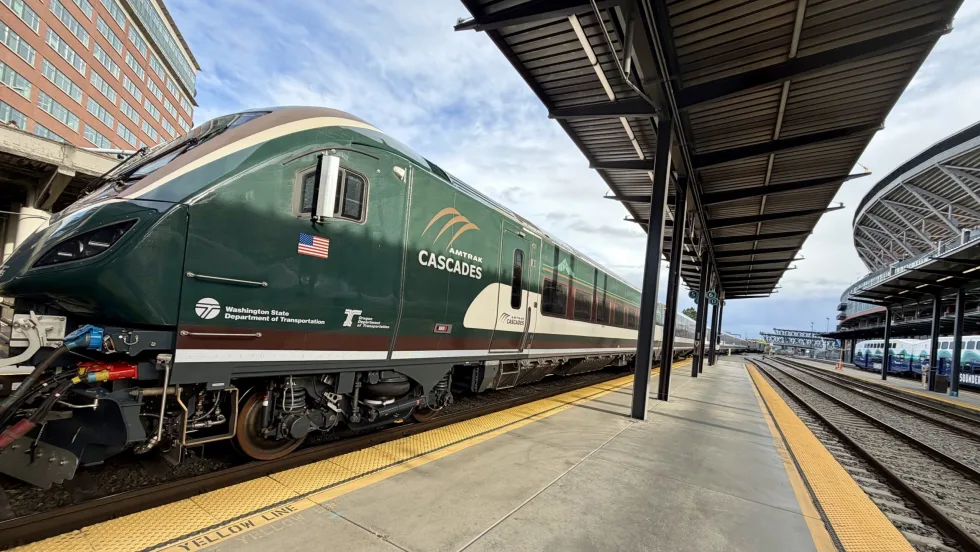
FRA Announces $5.3B in Rail Investments, Including $2B for Amtrak
Funding will support grade-crossing improvements, infrastructure upgrades, and new Amtrak equipment in 23 states.
Read More →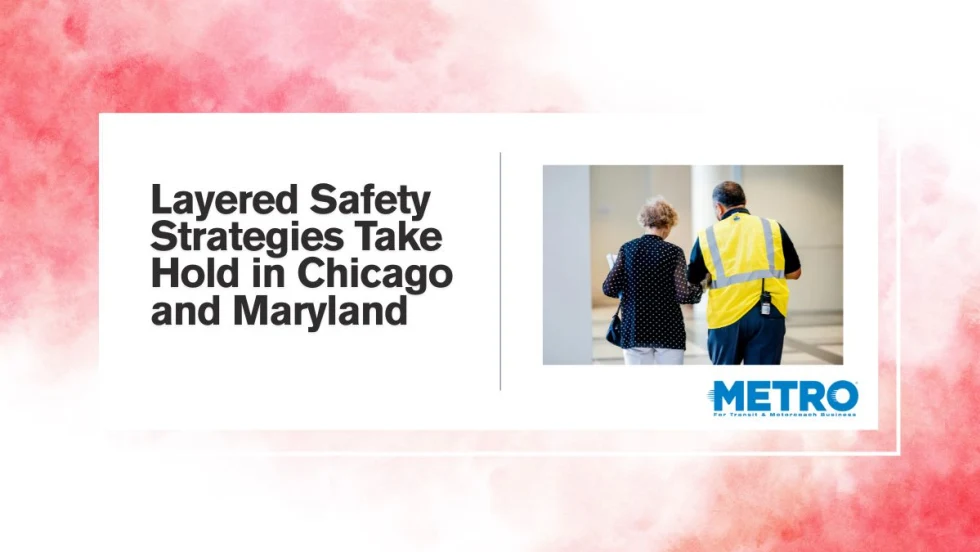
Chicago, Maryland Expand Non-Law-Enforcement Safety, Rider Support
The CTA and MTA are launching new programs aimed at de-escalation, crisis response, rider assistance, and greater transparency.
Read More →
LA Metro, City of West Hollywood, and Partners Advance Smarter Bus Lane Enforcement
The award-winning partnership combines AI-powered detection with human oversight to improve bus reliability, accessibility, and enforcement efficiency.
Read More →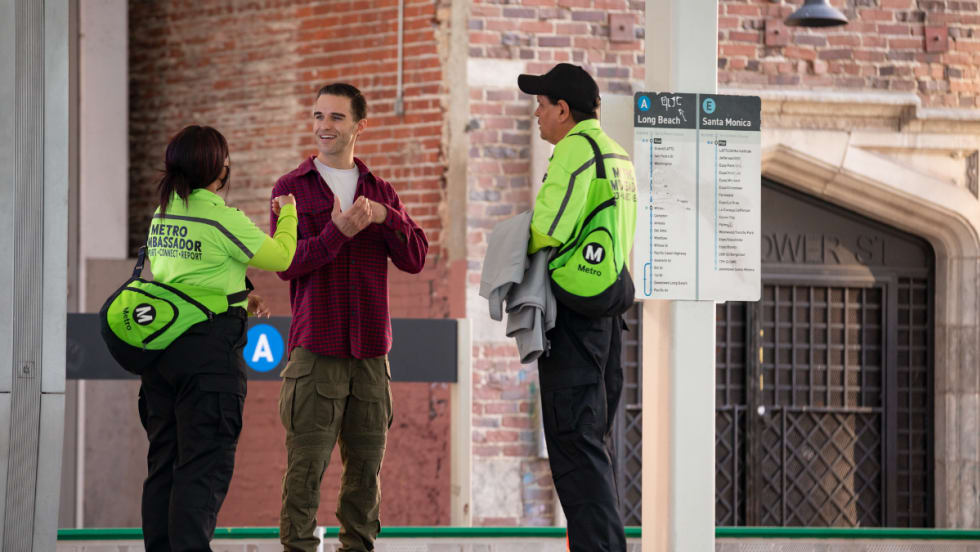
LA Metro Reports 57% Decline in Homelessness on Transit System Since 2024
The agency's latest homelessness count offers new data on how care-based services and cross-sector partnerships can complement traditional transit security strategies.
Read More →
FTA Launches 'Transit Moves America' Dashboard to Highlight Agency Safety and Performance
The online dashboard transforms National Transit Database information into a public-facing resource that allows users to compare transit agencies on key operational and safety metrics.
Read More →