




Read More: TTC Awards New Flyer Contract for Battery-Electric Buses
TTC, ATU Local 113 Teaming Up to Improve Bus Operator Health
The TTC and ATU Local 113, working together with ATU International and Centennial College, have also begun work on a new system that will improve air quality.
July 21, 2023
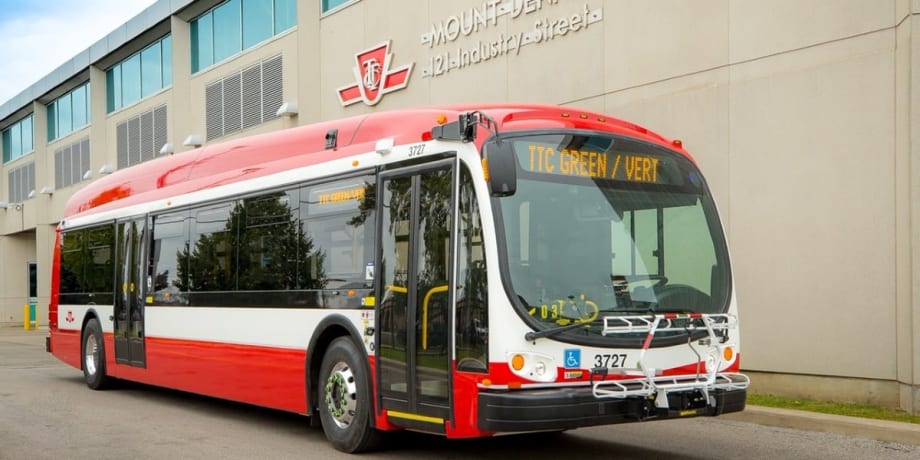
The new designs were recently presented to the U.S. Federal Transit Administration and other transit systems in North America and have received interest and support.
Photo: TTC
2 min to read
The Toronto Transit Commission (TTC) and ATU Local 113 have unveiled bus-of-the-future design concepts to improve security and provide a healthier working environment for bus operators, as part of a Bus Design Innovation Program together with ATU International and Centennial College, according to TTC's news release.
The design provides a complete barrier that shields a bus operator’s workspace from the passenger compartment – reducing the risk of being assaulted, while maintaining a clear unobstructed view of both mirrors to ensure safe operation of the vehicle.
TTC, ATU Local 113 Working on New System
The TTC and ATU Local 113, working together with ATU International and Centennial College, have also begun work on a new system that will improve air quality and the health of passengers and operators.
“The Bus Design Innovation Program is transformative, and will greatly improve the security and safety of our bus operators,” said TTC CEO Rick Leary. “We aim to set new global standards in protection from assaults, and in air quality, to ensure the TTC is fully prepared for the next pandemic and seasonal viruses. I want to thank our union partners and Centennial College for this incredibly important partnership with the TTC.”
These new designs, along with several others, were recently presented to the U.S. Federal Transit Administration and other transit systems in North America and have received interest and support.
“We have an opportunity in establishing a new global benchmark in bus design, as world leaders in safety and service quality. Together we can make a vital contribution to the health and safety of transit workers, TTC riders, and the City of Toronto,” said Marvin Alfred, president, ATU Local 113.
More Security and Safety
What Transit Maintenance Facilities Should Know About Gas-Detection Placement
Proper gas-detector placement is critical to maintaining safety in transit maintenance facilities, requiring agencies to consider fleet fuel types, ventilation, shop operations, and ongoing equipment maintenance.
RTC Reports Nearly 29% Drop in Transit Operator Assaults
The Las Vegas agency credits expanded security measures, training, and technology for improved safety in FY 2026, while security officers have helped save 19 lives through overdose-response efforts.

Improving Transit Safety and Reliability Through AI
Hayden AI’s Chief Growth Officer, Charley Territo, discusses how AI-powered camera enforcement is helping transit agencies keep bus lanes and stops clear, improve accessibility, and move from pilot programs to full-scale deployments.

Study: Denver RTD Generates $2.1 Billion in Annual Economic Activity
An economic impact study finds the agency supports approximately 17,500 jobs, delivers $1.6 billion in annual community and mobility benefits, and generates $2.42 in economic value for every dollar invested.
SEPTA Launches 'Reach' Program to Connect Vulnerable Individuals with Support
The initiative deploys specialists throughout Philadelphia’s transit system to connect individuals with housing, healthcare, and social services while addressing safety and quality-of-life concerns.
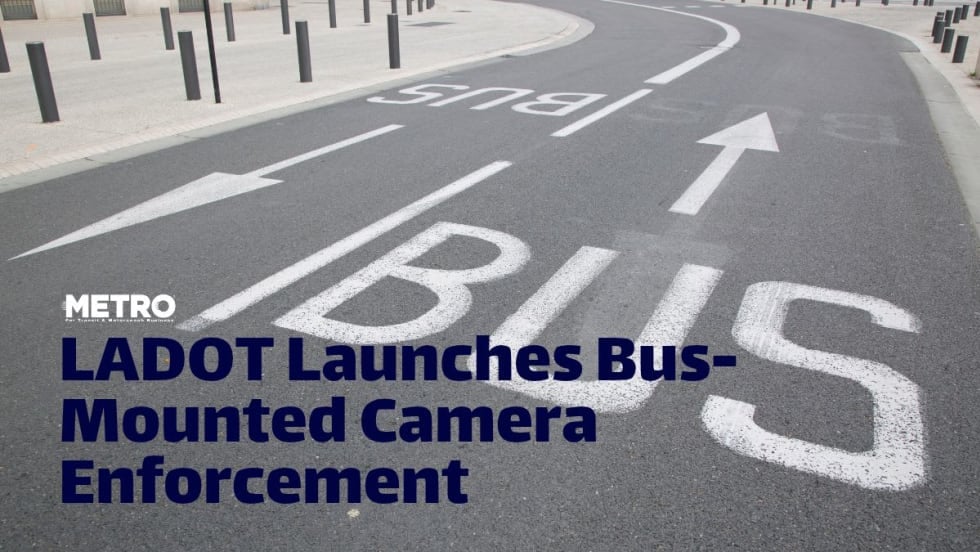
LADOT to Launch Bus-Mounted Camera Enforcement on DASH Buses
The program will begin with a 60-day warning period before citations are issued in January 2027, joining similar efforts across Southern California to improve bus reliability, safety, and accessibility.
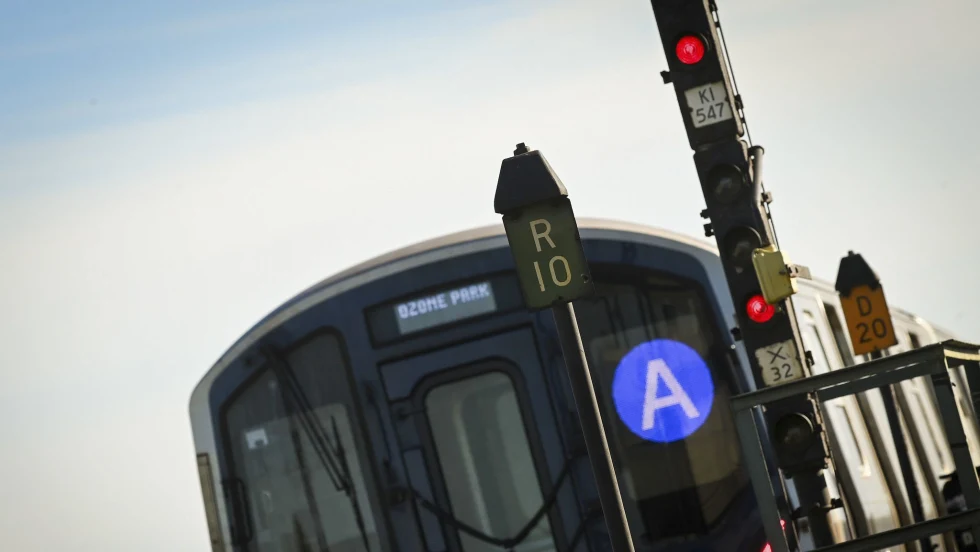
New York MTA Launches Historic $1.9B Signal, Track Modernization Project
Funded in part by congestion pricing revenue, the project will replace nearly century-old signals along the A and C lines in Brooklyn and Queens.

CSA Group Releases Climate Resilience Standard for Transit, Passenger Rail
Developed with support from the Standards Council of Canada, CSA D700 guides assessing climate-related risks and planning adaptation measures for transit and passenger rail systems.
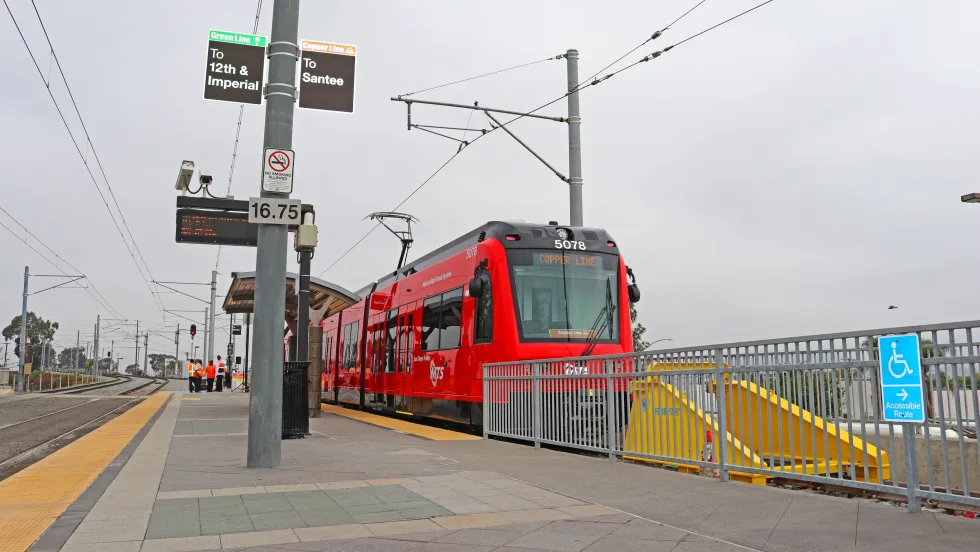
San Diego MTS Approves New Fare Evasion Penalty Program
The new administrative process will move eligible violations out of the criminal court system, cap penalties at $125, and provide flexible payment options for riders.

RTC of Southern Nevada Reports 29% Drop in Transit Operator Assaults
The agency credits expanded security measures, employee training, and technology investments for improvements in transit safety, while security officers have responded to 19 suspected overdoses since July.