




Read More: TTC, ATU Local 113 Teaming Up to Improve Bus Operator Health
TTC Piloting New Accessibility Features
The first feature is a subway-style, rear-door exit chime on new hybrid-electric buses.
August 9, 2023
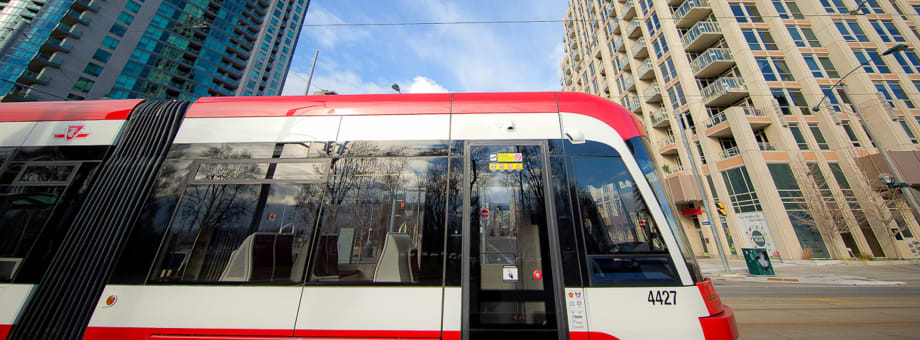
After testing the effectiveness and performance of the rear-door exit chime system, the TTC said it expects to make it a standard feature on all future new vehicles in its bus fleet.
Photo: TTC
2 min to read
The Toronto Transit Commission (TTC) announced it is piloting two new technologies across the system.
The first, a subway-style, rear-door exit chime on new hybrid-electric buses, gives customers who experience low vision an audible cue that doors are about to close. The second pilot is the Contactless Access elevator app at select subway stations, which allows customers to control elevators at certain stations, providing a touch-free experience.
More Details About TTC's New Features
Customers will hear a three-tone rear-door exit chime on select buses, similar to the chime heard on subways. This sound will be embedded in all New Flyer hybrid-electric buses, purchased as part of the TTC’s transition to a zero-emissions fleet.
The TTC added it has begun taking deliveries of the New Flyer hybrid-electric buses and they will operate out of the TTC’s Mount Dennis Division, serving customers in North York.
After testing the effectiveness and performance of the rear-door exit chime system, the TTC said it expects to make it a standard feature on all future new vehicles in its bus fleet.
The Contactless Access elevator app pilot project allows customers to use their smartphones to control elevators, providing a touch-free experience, especially for customers with disabilities, seniors, and those who may be carrying large objects or pushing strollers.
Stations Involved with the Pilot Project
Stations included in the pilot project are Finch, Kennedy, Kipling, Union, and Vaughan Metropolitan Centre stations.
Customers will need to download the free Contactless Access app from the Apple App Store or Google Play. They can also scan the QR code posted at any of the elevators included in the pilot.
The app uses Bluetooth Low Energy technology to allow wireless control of elevator buttons from up to 10 feet away and does not require customers to be connected to WiFi or a data network to use the app.
No personal data will be collected or stored by the app. Use of the app is optional, and customers can also continue to use the existing buttons to control elevators included in this project.
The pilot will run until September 30, 2023.
More Technology
Almaviva Looks to Open Architecture to Advance Transit Technology
Eric Reese discusses how interoperability, open architecture, and modular design can help transit agencies control costs, reduce vendor lock-in, and upgrade technology without starting over.
Read More →
Driving Smarter Paratransit
John Hanlon shares how AlphaRoute is leveraging AI-powered technology to help paratransit providers optimize operations, support frontline staff, and enhance the rider experience.
Read More →
From Hardware to Digital Partner: Luminator Charts Its Next Chapter
CEO Magnus Friberg discusses Luminator’s shift toward becoming a digital partner, the growing importance of software and interoperability, and how AI can help agencies improve operations and passenger experience.
Read More →

Beyond the Checklist: A Structured Approach to Transit Maintenance
Reliability-Centered Maintenance helps transit agencies move beyond routine checklists to focus limited resources on the assets and failures that have the greatest impact on safety, reliability, and service.
Read More →
NJ TRANSIT Advances Bus Technology Upgrades Across Statewide Fleet
More than 1,500 buses now feature upgraded technology designed to improve arrival predictions and provide free Wi-Fi, with deployment expected to reach nearly 2,000 buses by the end of 2026.
Read More →
Building a Flexible Path to Transit Electrification
John Hroncich discusses BAE Systems’ modular and scalable approach, lessons learned from decades of real-world operations, and how agencies can identify electrification strategies that fit their fleets.
Read More →
Biz Briefs: Alstom Lands Canadian Contract, LYT to Supply California TSP, and More
In METRO's latest installment, we take a look at recent news from Complete Coach Works, Beep, FlixBus, and more partnerships making headlines across the transportation sector.
Read More →
Sponsored•September 8, 2026
From Legacy Silos to Conversational Intelligence
What if transit leaders could ask any operational question and get a trusted answer in seconds? Conversational AI is transforming how agencies use their data.
Read More →
USDOT Announces Rail Vehicle Replacement Grants, Chattanooga AV Shuttle Funding
More than $191 million in federal funding will help three transit agencies replace aging rail vehicles and support a new autonomous shuttle service in Chattanooga.
Read More →
Bus Tech Talk: Keeping Transit Technicians Ahead of the Technology Curve
LA Metro’s Obed Mejia discusses technician training, evolving maintenance technology, fleet replacement, and strategies for getting the most out of today’s transit fleets.
Read More →