



TTC pleads guilty, pays fine in case involving death of its employee
In October 2017, Tom Dedes was injured when he was pinned against a truck by the tail swing of a workcar at a TTC rail yard.

The Toronto Transit Commission pled guilty to a safety violation and agreed to pay $300,000 in fines in the 2017 death of 18-year employee Tom Dedes at its McCowan Yard.
TTC
The Toronto Transit Commission pled guilty to a safety violation and agreed to pay $300,000 in fines in the 2017 death of 18-year employee Tom Dedes at its McCowan Yard.
TTC
The Toronto Transit Commission (TTC) pled guilty to a safety violation and agreed to pay $300,000 in fines in the 2017 death of 18-year employee Tom Dedes at its McCowan Yard.
In a statement, TTC CEO Rick Leary said the agency failed to “provide a trained and qualified SRT workcar monitor at the McCowan Yard to observe the movement of the workcar, while in direct communication with the workcar operator, to ensure the workcar did not make contact with workers, vehicles, or equipment.”
The TTC agreed to pay a fine of $265,000, plus the 25% victim fine surcharge of $66,250. Two other charges, also laid under the Occupational Health and Safety Act, were withdrawn by the Crown after the agency’s guilty plea.
“By resolving the charges in this manner, the parties have eliminated the need for a lengthy and costly trial,” said Leary. “More importantly, avoiding a trial in this matter will hopefully allow the family and colleagues of Mr. Dedes to continue the healing process.”
In October 2017, Dedes was injured when he was pinned against a truck he and other employees were unloading by the tail swing of a workcar at the TTC's McCowan yard. Nine days later, his family decided to take him off of life support, according to a CBC news report.
Following the tragedy, the TTC conducted a thorough investigation “with a view to ensuring this type of incident never occurs again,” said Leary. As a result, a number of initiatives have been implemented at the McCowan Yard, including upgrades to lighting, visual markings and an engineered barrier around the track area, and retraining of its employees to be vigilant when walking and working in areas with moving equipment. The agency also implemented measures and procedures for the workcar operator to communicate with a foreperson and Transit Control, to verify clearances around the vehicle and confirm it is safe to move it.
“I will be reaching out to the President of ATU Local 113 to share my belief that all workplace parties have specific responsibilities for ensuring the health and safety of every worker,” said Leary. “Everyone, from myself and TTC executives to our managers and supervisors to our frontline employees, has a role to play in promoting and being accountable for a culture of workplace safety.”
More Security and Safety

Transit Agencies Highlight Safety Gains at National Summit
Leaders from 15 major transit systems shared crime-reduction results and safety initiatives while discussing the role of continued federal support.
Read More →
DART Launches Major Security, Fare Enforcement Initiative
The 90-day demonstration will deploy coordinated security teams at five light rail stations while testing controlled access and gathering data to guide future investments.
Read More →
RTD Launches NextRide App to Consolidate Trip Planning, Fares, Security Reporting
The app expands on RTD’s existing NextRide web application and allows customers to view real-time vehicle locations and service alerts, purchase and store digital fares, and access customer support.
Read More →

TAPTCO Updates OSHA Compliance Training for Transit Maintenance Operations
The revamped program addresses 26 OSHA standards for maintenance facilities, with TAPTCO pointing to training, documentation, and everyday shop hazards as continuing challenges for transit operations.
Read More →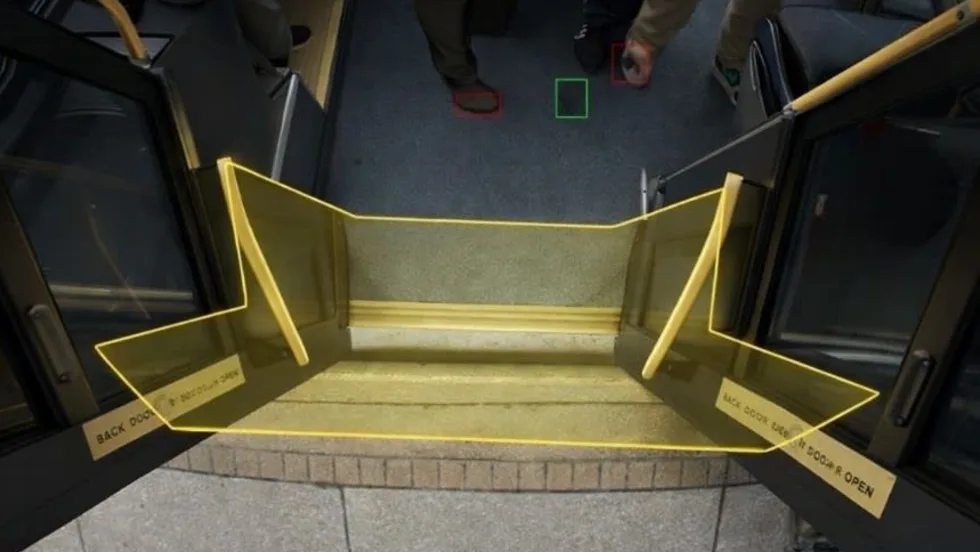
How VaporVision Adds Value to Transit Door Systems
Wabtec engineers explain how the system improves doorway detection, strengthens diagnostics and gives transit agencies and OEMs greater operating flexibility.
Read More →
FRA Announces $5.3B in Rail Investments, Including $2B for Amtrak
Funding will support grade-crossing improvements, infrastructure upgrades, and new Amtrak equipment in 23 states.
Read More →
Chicago, Maryland Expand Non-Law-Enforcement Safety, Rider Support
The CTA and MTA are launching new programs aimed at de-escalation, crisis response, rider assistance, and greater transparency.
Read More →
LA Metro, City of West Hollywood, and Partners Advance Smarter Bus Lane Enforcement
The award-winning partnership combines AI-powered detection with human oversight to improve bus reliability, accessibility, and enforcement efficiency.
Read More →
LA Metro Reports 57% Decline in Homelessness on Transit System Since 2024
The agency's latest homelessness count offers new data on how care-based services and cross-sector partnerships can complement traditional transit security strategies.
Read More →
FTA Launches 'Transit Moves America' Dashboard to Highlight Agency Safety and Performance
The online dashboard transforms National Transit Database information into a public-facing resource that allows users to compare transit agencies on key operational and safety metrics.
Read More →