




Testing, Testing: TTC Buses to Test PRESTO Card Readers
TTC's Proposed 2023 Budget Invests in Safety
The budget also recommends a 10-cent fare increase on single cash and PRESTO rides.
January 6, 2023
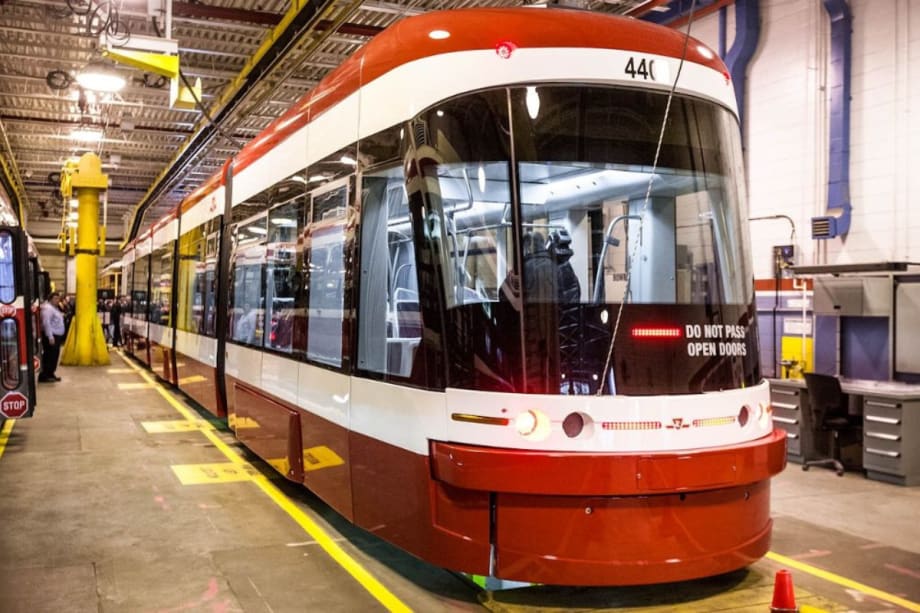
The $2.38 billion combined operating budgets for both conventional and Wheel-Trans services represents a 4.2% increase over the approved 2022 budget.
Photo: TTC
2 min to read
The Toronto Transit Commission (TTC) released its proposed 2023 operating budget, one that would see millions of new dollars invested in system safety and cleanliness while delivering service based on new, post-pandemic ridership patterns, according to the agency's news release.
The budget recommends a 10-cent fare increase on single cash and PRESTO rides while freezing fares for seniors, Fair Pass program users, and those with PRESTO monthly and annual passes. Revenue from this fare increase, in addition to the city’s proposed subsidy to the TTC of $958.7 million will go toward measures to ensure the transit system is safe for all Torontonians.
The $2.38 billion combined operating budgets for both conventional and Wheel-Trans services represents a 4.2% increase over the approved 2022 budget (exclusive of COVID costs) and includes:
More than $4 million for safety, security, and cleanliness. This includes hiring 10 additional Streets to Homes outreach workers, adding 25 new Transit Special Constable positions and filling 25 vacant positions, and introducing enhanced daily streetcar cleaning.
Nearly $3 million dedicated to service improvements in routes serving Neighbourhood Improvement Areas and expansion of the Fair Pass Program to an additional 50,000 lower-income Torontonians.
Almost $43 million to cover the opening of Line 5 Eglinton-Crosstown and Line 6 Finch West, and the bus replacement of Line 3 Scarborough RT.
A commitment to deliver 91% of pre-pandemic service levels even as ridership is predicted to reach just 75% of pre-pandemic norms at the end of the year.
“This proposed budget reflects the needs of residents, of TTC workers, and of the transit system itself,” said TTC Chair Jon Burnside. “I’m confident that with these investments and focused improvement of services, we are setting up our transit system to be safer, more reliable, and more accessible for all. I want to thank TTC staff for their hard work to prepare this budget and look forward to discussing it at our Board meeting next week.”
This year’s share of the $12.5 billion 2023-2032 capital budget plan is approximately $1.34 billion, comprising $800 million for infrastructure and state-of-good repair projects, $455 million for vehicle purchases and overhauls, and $88 million for transit expansion-related work.
The capital budget report also updates both the TTC’s 15-year, $38 billion Capital Investment Plan (CIP) and Real Estate Investment Plan, a 15-year strategic roadmap that supports the CIP.
“As we come out of the pandemic and our ridership patterns evolve, the TTC is positioning itself to keep Toronto moving and to be there for those who need us most,” said Rick Leary, TTC CEO. “This proposal balances our need to deliver safe service while contending with lower revenues and increased operating costs associated with inflation and new transit lines.”
More Security and Safety

Public Transit Conference Returning to GFX in 2027, Call for Papers Now Open
The Call for Papers is now open, allowing transit agency professionals and industry experts to help shape the PTC educational program by submitting session ideas for consideration.
Read More →
Safe Transit Act Proposes New Security Requirements for Federal Transit Funding
Proposed legislation would link federal transit dollars to safety measures while requiring security investments, onboard cameras, and new fare collection standards.
Read More →
FTA Ends Direct Oversight of MBTA Safety Actions
The federal agency closed its remaining special directive to the Massachusetts Department of Public Utilities following a safety review that began in 2022.
Read More →
Transit Agencies Highlight Safety Gains at National Summit
Leaders from 15 major transit systems shared crime-reduction results and safety initiatives while discussing the role of continued federal support.
Read More →
DART Launches Major Security, Fare Enforcement Initiative
The 90-day demonstration will deploy coordinated security teams at five light rail stations while testing controlled access and gathering data to guide future investments.
Read More →
RTD Launches NextRide App to Consolidate Trip Planning, Fares, Security Reporting
The app expands on RTD’s existing NextRide web application and allows customers to view real-time vehicle locations and service alerts, purchase and store digital fares, and access customer support.
Read More →
TAPTCO Updates OSHA Compliance Training for Transit Maintenance Operations
The revamped program addresses 26 OSHA standards for maintenance facilities, with TAPTCO pointing to training, documentation, and everyday shop hazards as continuing challenges for transit operations.
Read More →
FRA Announces $5.3B in Rail Investments, Including $2B for Amtrak
Funding will support grade-crossing improvements, infrastructure upgrades, and new Amtrak equipment in 23 states.
Read More →
Chicago, Maryland Expand Non-Law-Enforcement Safety, Rider Support
The CTA and MTA are launching new programs aimed at de-escalation, crisis response, rider assistance, and greater transparency.
Read More →
LA Metro, City of West Hollywood, and Partners Advance Smarter Bus Lane Enforcement
The award-winning partnership combines AI-powered detection with human oversight to improve bus reliability, accessibility, and enforcement efficiency.
Read More →