



U.S., China kickoff 'Race to Zero Emissions Challenge'
The initiative is a collaborative and friendly competition that encourages cities and metropolitan transit districts in the U.S. and China to deploy innovative and advanced non-polluting Zero Emission Buses in their transit systems.


U.S. Transportation Secretary Anthony Foxx and China’s Minister of Transport Yang Chuantang unveiled the U.S.-China Race to Zero Emissions (R2ZE) Challenge during the eighth U.S.-China Transportation Forum in Los Angeles.
The R2ZE Challenge is a collaborative and friendly competition that encourages cities and metropolitan transit districts in the U.S. and China to deploy innovative and advanced non-polluting Zero Emission Buses (ZEBs) in their transit systems.
“This challenge will hasten the development of new and emerging technologies that will move us away from fossil fuels and race us closer to our ultimate goal of zero emissions, while creating good jobs and economic growth in both the United States and China,” said Secretary Foxx. “This is a win for both of our nations, and an important milestone in our ongoing efforts to deepen technical cooperation and our ties together in support of green-energy transportation objectives.”
Secretary Foxx and Minister Yang Chuangtang also signed a Memorandum of Cooperation to further cement the transportation partnership between the two countries and their cooperation in other areas of mutual interest. These areas of interest include safety, innovation and technology, energy efficiency, urban congestion, and public-private partnerships.

The Race to Zero Emissions Challenge aims to reduce greenhouse gas and criteria emissions while fostering demand and innovation for zero emission heavy-duty vehicle technology. The R2ZE Challenge calls for a long-term commitment by transit agencies to expand green-energy transit fleets with interim targets and a finish line.
The focus on the zero emission technologies stems from the proven benefits of these vehicles to the environment, business and fleet operations. These benefits include pollutant emission reduction, better fuel efficiency over conventional fuels, operational/maintenance cost savings, and market acceleration and job creation. For the purpose of this program, a “zero emissions bus” is a bus that operates in electric-only mode, whether the electricity is supplied by batteries, a fuel-cell or catenary.
The Challenge is open to all U.S. and China cities/metropolitan transit districts. All cities/metropolitan transit districts that voluntarily commit to and subsequently achieve the targets will be recognized as R2ZE Challenge participants. Participants will be able to use the R2ZE logo in promotional materials, attend the annual summit and be featured in U.S.-China press releases.
In addition, a competition will highlight specific categories of achievers, and each year, the U.S. and China will select and recognize cities and metropolitan transit districts in several categories. The U.S. and China will convene an annual conference that will bring together R2ZE participants to share progress made toward the R2ZE goals and lessons learned. The R2ZE participants and winners from the prior year will be announced and recognized during the event.
For more information and details on the challenge and to enroll, click here.
More Technology
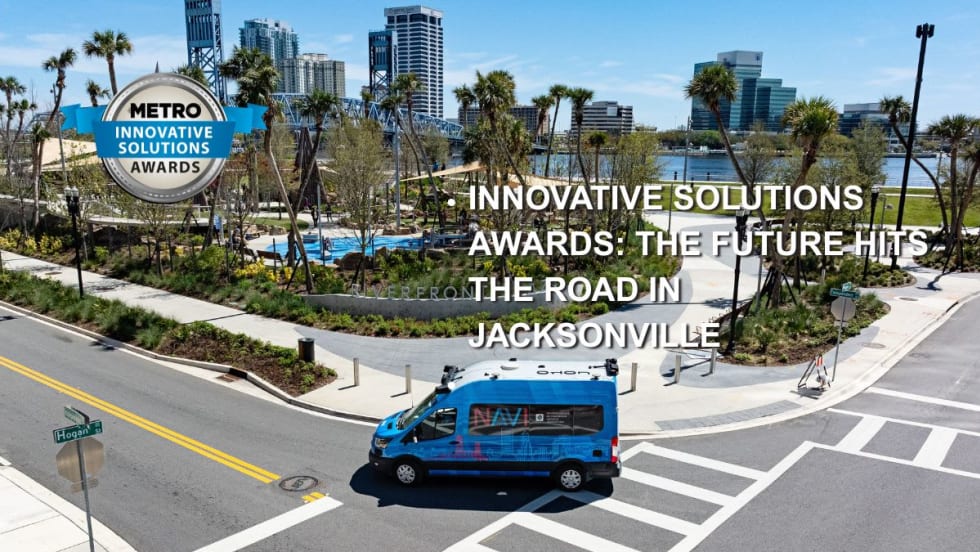
Jacksonville’s NAVI Project Charts a New Course for Autonomous Public Transportation
Through its NAVI program, JTA is showing how autonomous vehicles, intelligent infrastructure, and coordinated operations can work together to deliver everyday public transportation.
Read More →
Biz Briefs: Luminator Marks Milestone and More
From manufacturers and suppliers to transit agencies and motorcoach operators, these updates offer a snapshot of the projects, partnerships and business moves driving the industry forward.
Read More →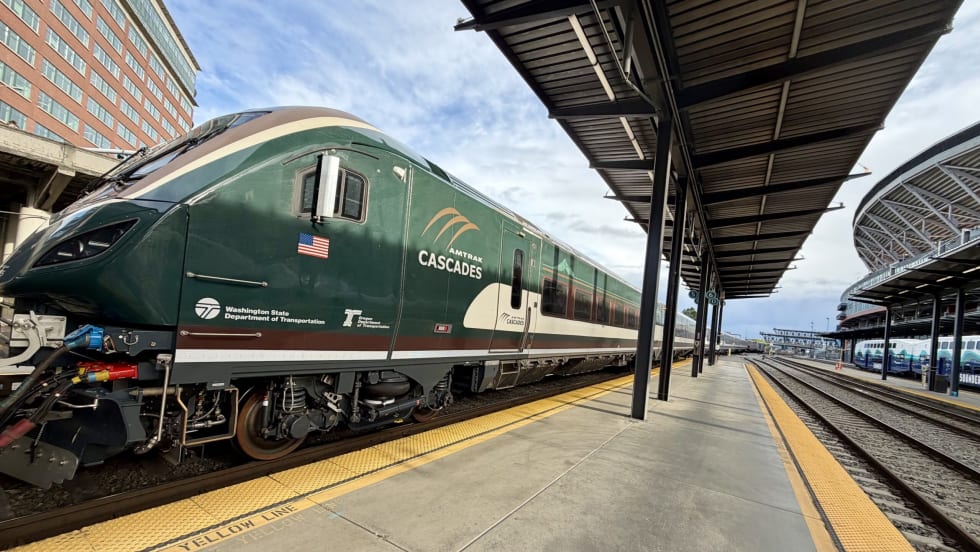
FRA Announces $5.3B in Rail Investments, Including $2B for Amtrak
Funding will support grade-crossing improvements, infrastructure upgrades, and new Amtrak equipment in 23 states.
Read More →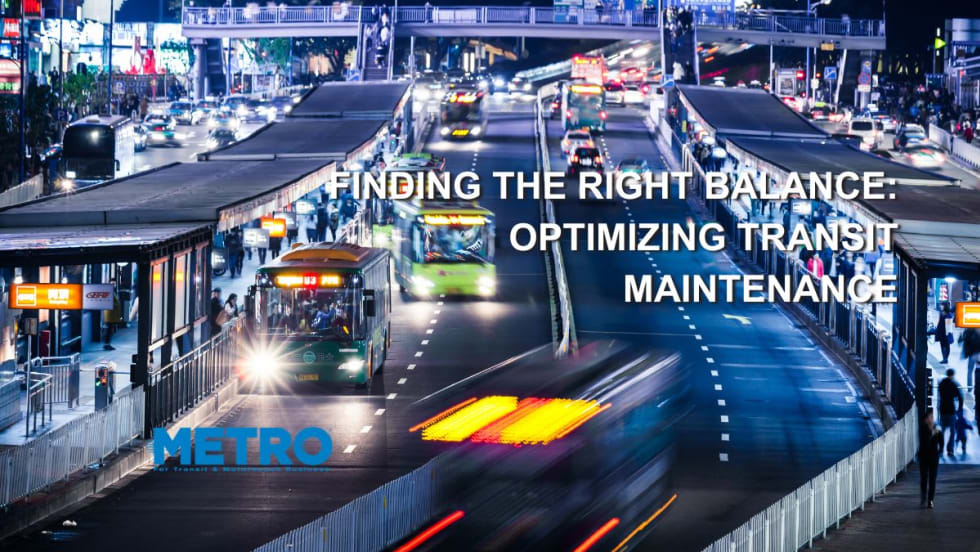
Finding the ‘Happy Medium’: Optimizing Maintenance Without Sacrificing Reliability
The key to maintenance optimization isn’t doing less work—it’s doing the right work at the right time on the right assets.
Read More →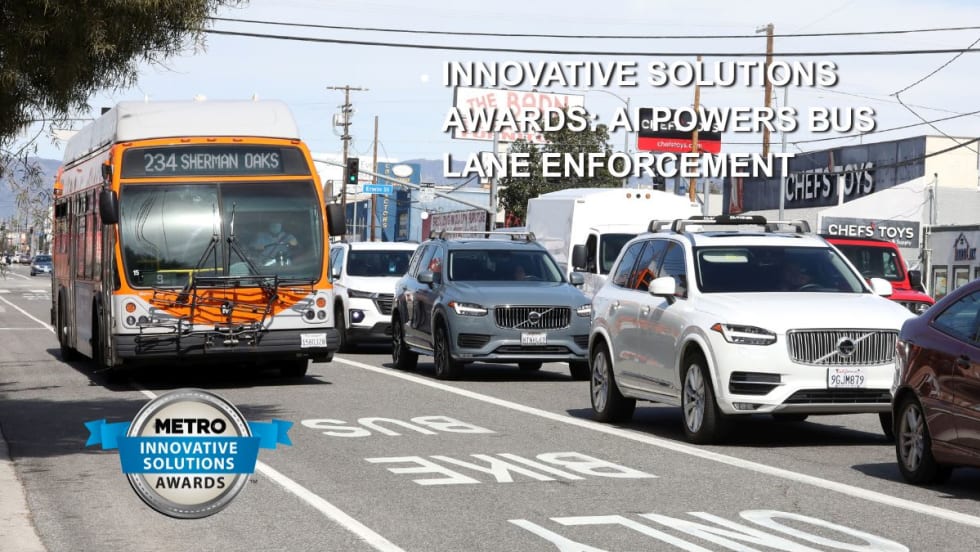
LA Metro, City of West Hollywood, and Partners Advance Smarter Bus Lane Enforcement
The award-winning partnership combines AI-powered detection with human oversight to improve bus reliability, accessibility, and enforcement efficiency.
Read More →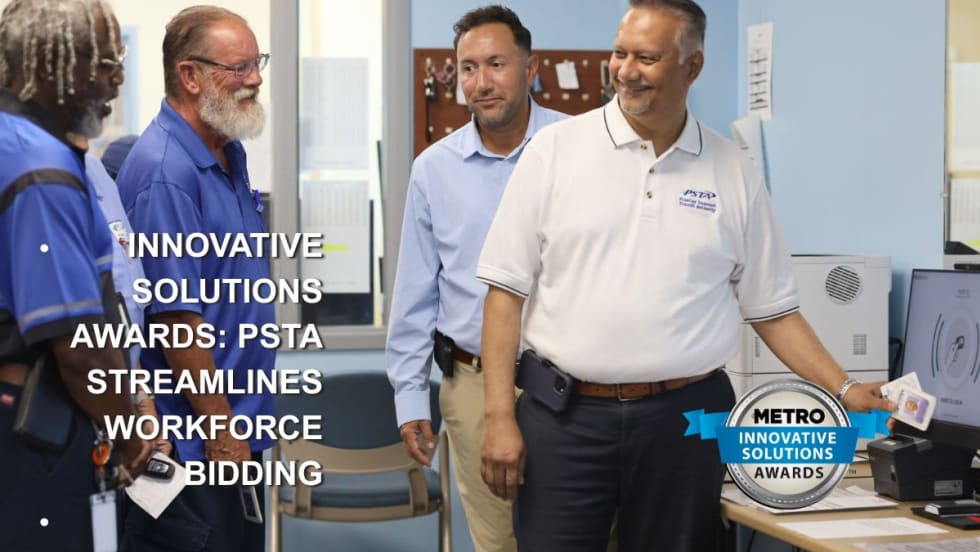
PSTA Modernizes Workforce Management with Digital Bidding System
The award-winning Workforce Transit Modernization project replaced paper bidding with a transparent digital platform, cutting administrative effort while improving access for operators.
Read More →
New Tricks for Old Bureaucracies: Joshua Schank on Making Transit Innovation Stick
Former LA Metro Chief Innovation Officer Joshua Schank discusses why good ideas aren't enough, how transit agencies can overcome resistance to change, and why today's challenges demand more innovation.
Read More →
How Data, Strategy, and Community Engagement Are Reshaping Transit
In this edition of METROspectives, strada360 CEO Steve Lassey discusses how transit agencies can better align planning with operations, leverage data to improve decision-making, and build public trust as they prepare for the future of mobility.
Read More →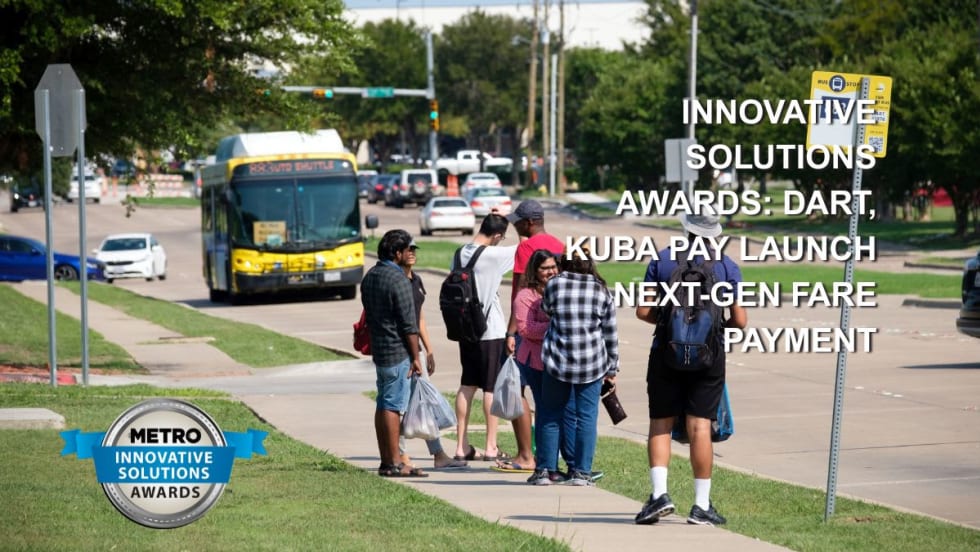
How DART's GoPass Is Redefining Regional Mobility
Serving 14 transit agencies, GoPass simplifies multimodal travel by allowing riders to plan, pay for, and manage an entire trip through one app.
Read More →
Turn Transit Data Into Action
Discover how leading agencies are using connected technology to gain real-time visibility across operations, improve service reliability, and reduce disruptions.
Read More →