



U.S. DOT announces TIGER II grant program
Grants will be awarded on a competitive basis to projects that have a significant impact on the nation, a region or metropolitan area and can create jobs.

Following on the success of the U.S. Department of Transportation's (U.S. DOT) TIGER (Transportation Investment Generating Economic Recovery) Discretionary Grant Program, Secretary Ray LaHood announced the availability of $600 million in TIGER II grants for capital investment in surface transportation projects.
TIGER II grants will be awarded on a competitive basis to projects that have a significant impact on the nation, a region or metropolitan area and can create jobs.
"The enormous number of applications we received for the first round of TIGER grants shows that we have a backlog of worthwhile transportation projects waiting for funding," said LaHood. "This money will go to the kinds of projects that will help spur lasting economic growth, reduce gridlock, provide safe, affordable and environmentally sustainable transportation choices and create jobs."
In an overwhelming show of demand for TIGER I, the U.S. DOT received more than 1,400 applications from all 50 states, territories and the District of Columbia requesting funding for almost $60 billion worth of projects - 40 times the $1.5 billion available under the program.
The TIGER II solicitation now available on the Federal Register Website provides clear criteria for the department to make merit-based decisions on the new discretionary program.
Primary selection criteria include contributing to the long-term economic competitiveness of the nation, improving the condition of existing transportation facilities and systems, improving energy efficiency and reducing greenhouse gas emissions, improving the safety of U.S. transportation facilities, and improving the quality of living and working environments of communities through increased transportation choices and connections.
The U.S. DOT will also give priority to projects that are expected to quickly create and preserve jobs and stimulate rapid increases in economic activity.
Pre-applications are due on July 16 and applications are due on August 23 from state and local governments, including U.S. territories, tribal governments, transit agencies, port authorities and others.
More Bus

Finding the ‘Happy Medium’: Optimizing Maintenance Without Sacrificing Reliability
The key to maintenance optimization isn’t doing less work—it’s doing the right work at the right time on the right assets.
Read More →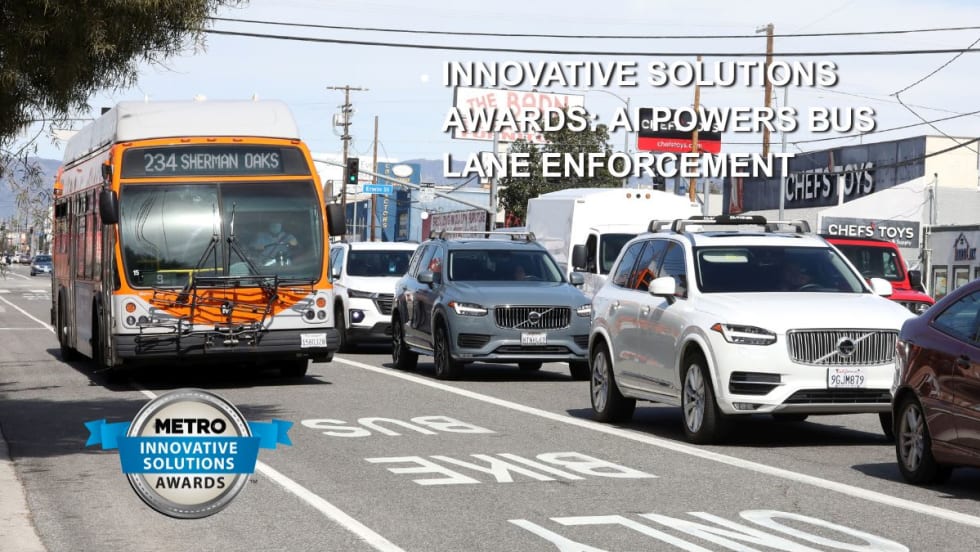
LA Metro, City of West Hollywood, and Partners Advance Smarter Bus Lane Enforcement
The award-winning partnership combines AI-powered detection with human oversight to improve bus reliability, accessibility, and enforcement efficiency.
Read More →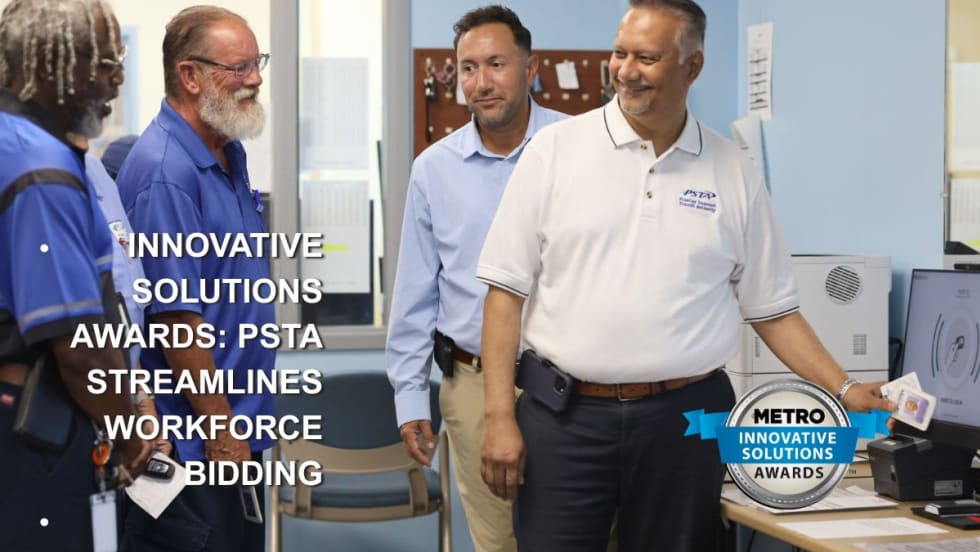
PSTA Modernizes Workforce Management with Digital Bidding System
The award-winning Workforce Transit Modernization project replaced paper bidding with a transparent digital platform, cutting administrative effort while improving access for operators.
Read More →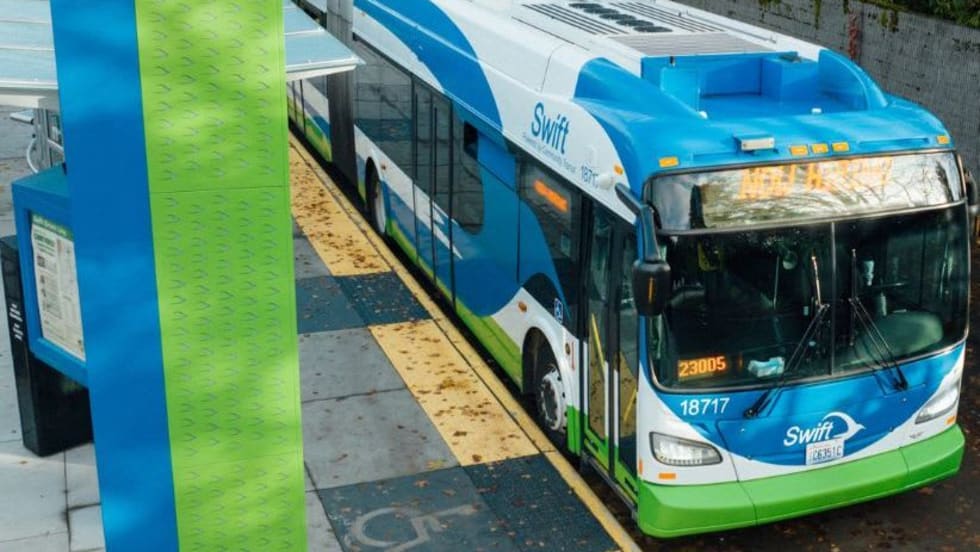
Washington's Community Transit Sets Six-Year Roadmap for Growth, Expansion
Approved TDP targets more bus service, new mobility options, Swift BRT expansion, and a potential Everett Transit annexation.
Read More →
DART Customer Satisfaction Reaches Six-Year High
Overall satisfaction rose to 74.9%, while the agency’s Net Promoter Score reached a record 33.7.
Read More →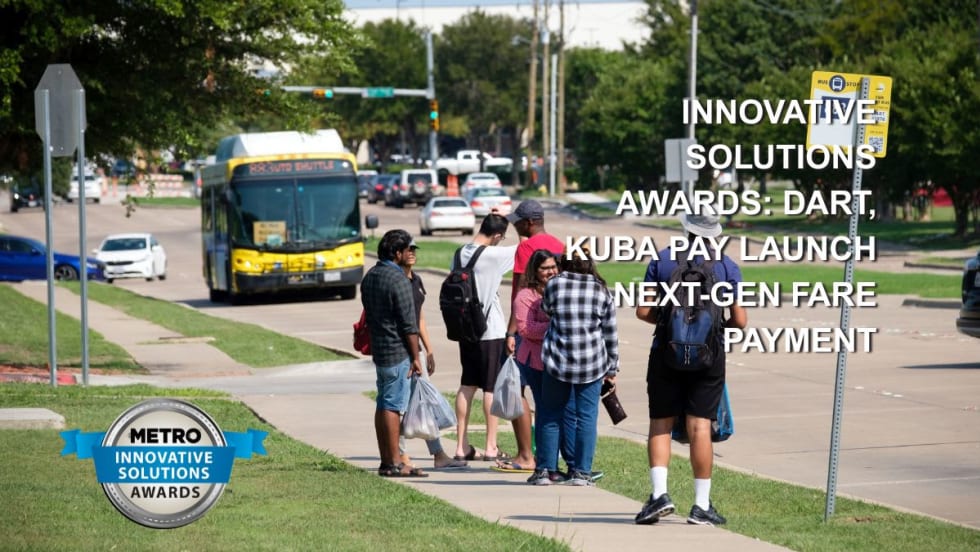
How DART's GoPass Is Redefining Regional Mobility
Serving 14 transit agencies, GoPass simplifies multimodal travel by allowing riders to plan, pay for, and manage an entire trip through one app.
Read More →
Biz Briefs: OCTA Taps Clean Energy for Hydrogen Station, Stadler to Supply Via Rail Vehicles, and More
From manufacturers and suppliers to transit agencies and motorcoach operators, these updates offer a snapshot of the projects, partnerships and business moves driving the industry forward.
Read More →
METRO Magazine Announces 2026 Innovative Solutions Awards Winners
Projects Recognized for Advancing Mobility Through Technology, Accessibility, Workforce Innovation, and Operational Excellence
Read More →
Biz Briefs: STV teams with Amtrak, Motorcoach Operators Boost Fleet and Land Contracts, and More
From manufacturers and suppliers to transit agencies and motorcoach operators, these updates offer a snapshot of the projects, partnerships and business moves driving the industry forward.
Read More →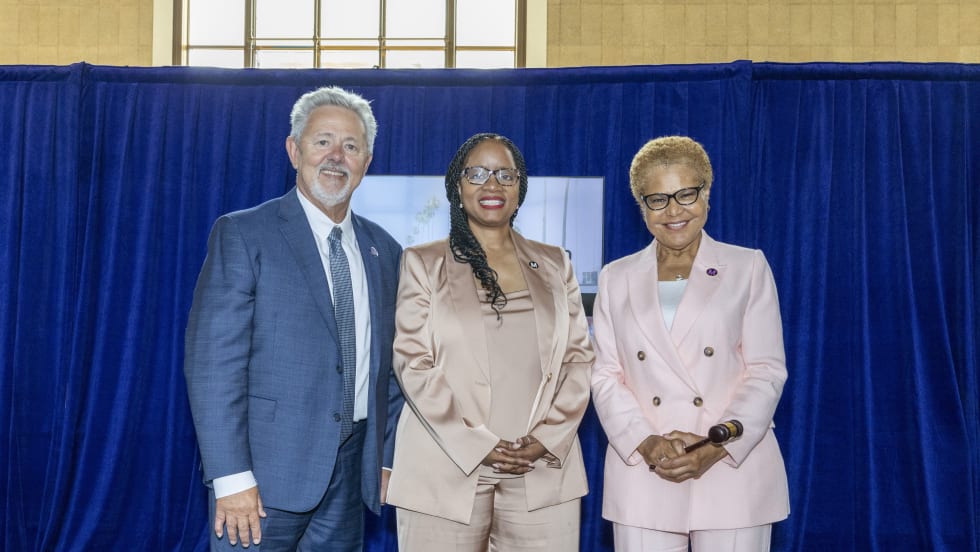
LA Metro Marks Banner Year, Sets Ambitious Goals for New Fiscal Year
Incoming LA Metro Board Chair and Los Angeles Mayor Karen Bass joined outgoing Board Chair Fernando Dutra and LA Metro CEO Stephanie Wiggins to review accomplishments from fiscal year 2026, which included the opening of new rail extensions, advancement of major transit projects, expanded safety programs, and new rider amenities.
Read More →