



U.S. Transportation Secretary Slater OKs Revised Atlanta Transport Plan, Averts Funding Ban
U.S. Transportation Secretary Rodney Slater certified that a revised transportation plan for the Atlanta area will meet federal air quality standards for the area, averting a withdrawal of federal highway money.

U.S. Transportation Secretary Rodney Slater certified that a revised transportation plan for the Atlanta area will meet federal air quality standards for the area, averting a withdrawal of federal highway money. Under the Clean Air Act, states and regions with metropolitan areas that do not meet emissions standards must come up with a plan to do so or face such a funding ban. The Atlanta area transportation plan had been in “conformity lapse” since January 1998. As such, no new federally funded transportation projects in the region could move ahead in the planning process. The Atlanta Regional Commission (ARC), which serves as the metropolitan planning organization for the Atlanta area, was unable to show that its earlier 2010 Regional Transportation Plan would result in vehicle emissions that would conform to the state’s air quality implementation plan. Complicating Atlanta’s efforts to conform to federal air pollution standards was a recent 11th Circuit U.S. Court of Appeals ruling that threw out the state's proposed motor vehicle emissions budget. That budget would have been the basis for a new conformity determination. With the court-imposed stay, the state’s previously adopted emissions budget had to serve as the basis for a new conformity finding. However, Slater’s decision, in consultation with the Environmental Protection Agency, is based on an even more stringent air quality standard than any previous emissions plan. The ARC worked with the Georgia Regional Transportation Authority, Atlanta’s new regional transport super-agency, the Georgia Department of Transportation and other state and local authorities to develop the revised plan and updated TIP. Slater said that funding in the Atlanta area under the revised TIP includes 40% for transit, 10% for bicycle and pedestrian facilities and air quality improvements, 21% for safety measures and bridge and intersection improvements and 26% for new highway capacity, including high-occupancy vehicle lanes. Some of the projects that can now go forward include preliminary engineering for high occupancy lanes on Interstate 75 and 575 and the Atlanta multimodal passenger station in downtown Atlanta, which will provide a connection for commuter rail, bus and airport passengers near a city transit station. About $16 billion in FHWA and FTA funding over the next 25 years is involved, the vast majority of which would have been withheld had the conformity lapse continued. "President Clinton and Vice President Gore are committed to protecting the environment while continuing to build and maintain a strong and growing economy," Slater said."We are working with our partners in Georgia to ensure access to transportation and mobility for everyone in the Atlanta metro area while continuing to improve air quality and protect the environment."
More Management
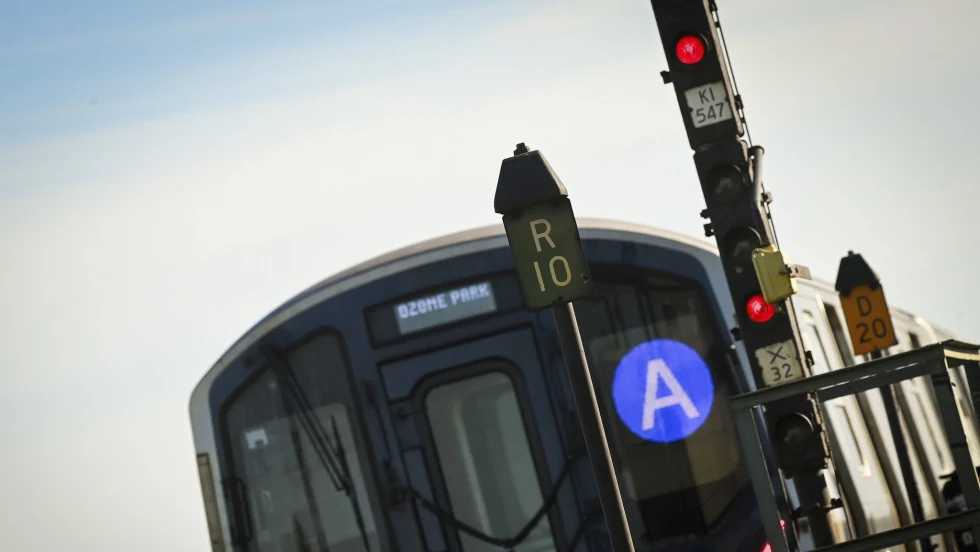
New York MTA Launches Historic $1.9B Signal, Track Modernization Project
Funded in part by congestion pricing revenue, the project will replace nearly century-old signals along the A and C lines in Brooklyn and Queens.
Read More →
Brian Dickson on Building Stronger, More Resilient Transportation Organizations
Bus Business Consultants Founder Brian Dickson discusses the leadership principles, operational discipline, and strategic planning that separate transportation companies positioned for long-term success from those stuck in survival mode.
Read More →
LA Metro Breaks Ground on Vermont BRT Project
The 12.4-mile corridor is projected to serve 66,200 daily riders, reduce travel times by up to 24%, and create the nation's busiest bus rapid transit corridor.
Read More →
Building Stronger Leaders, More Resilient Transit Teams
Dr. Carol Parker Walsh discusses leadership development, employee retention, workplace culture, and preparing transit’s workforce for AI and automation.
Read More →
Roman Cornell on ABC Companies’ Evolution and the Future of Passenger Transportation
The company’s CEO discusses carrying forward a third-generation family legacy, ABC’s continued evolution in passenger transportation, support for increasingly complex fleets, and how technology and continued investment could help operators improve uptime.
Read More →
CATS Launches West Charlotte Microtransit Zone, Expands Transit Services
The new microtransit zone connects residents to key destinations as Charlotte Area Transit System rolls out the first phase of its 2055 Transit System Plan.
Read More →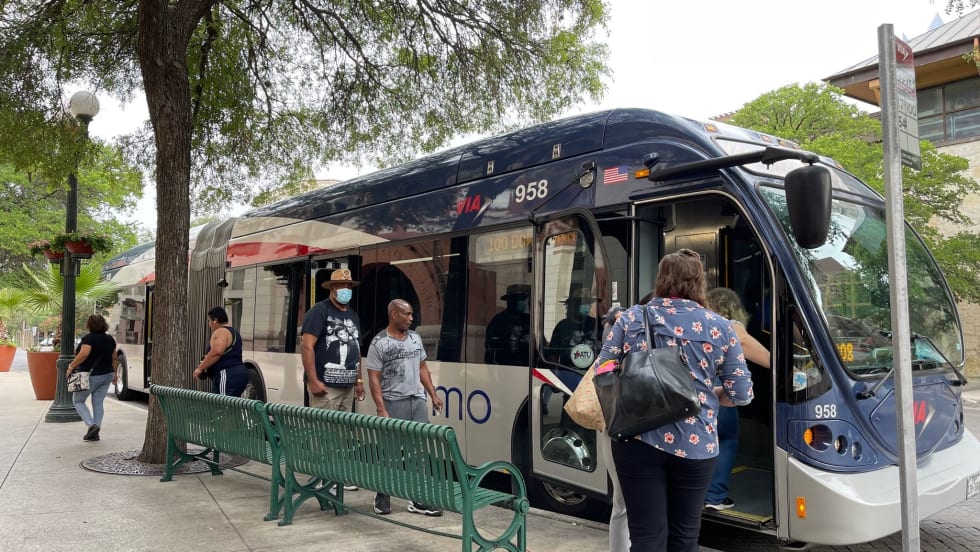
VIA Bus Ridership Grows 10.1% Through August 2026
San Antonio's VIA Metropolitan Transit reported the highest bus ridership growth among major Texas transit systems. Federal Transit Administration data ranked it second among the nation's 50 largest transit systems.
Read More →
CSA Group Releases Climate Resilience Standard for Transit, Passenger Rail
Developed with support from the Standards Council of Canada, CSA D700 guides assessing climate-related risks and planning adaptation measures for transit and passenger rail systems.
Read More →
ETA CEO John Maglio on Transit Technology, Innovation, and Building Agency Trust
ETA founder and CEO John Maglio explores the evolution of transit technology, the importance of reliable systems, and how stronger partnerships can help agencies improve operations and the passenger experience.
Read More →
COTA Launches First Customer Experience Action Plan to Improve Transit Service
The new plan outlines improvements to service reliability, accessibility, communication, and the overall rider experience across Central Ohio's transit system.
Read More →