



Uber stripped of its license to operate in London
TfL identified a pattern of failures by the company including several breaches that placed passengers and their safety at risk.


In September, Uber was granted a two-month license as further information was required on these issues, some of which emerged late in the process of its reapplication.
Uber

In September, Uber was granted a two-month license as further information was required on these issues, some of which emerged late in the process of its reapplication.
Uber
Transport for London (TfL) concluded it will not grant Uber London Ltd. (Uber) a new private hire operator's license in response to its latest application.
As the regulator of taxi and private hire services in London, TfL is required to decide on Uber's fitness and propriety before its current license expires.
According to TfL, Uber has made several positive changes and improvements to its culture, leadership, and systems in the period since the Chief Magistrate granted it a license in June 2018, including interacting with TfL in a transparent and productive manner. However, TfL identified a pattern of failures by the company including several breaches that placed passengers and their safety at risk.
Despite addressing some of the issues, TfL does not have confidence that similar issues will not reoccur in the future, which has led it to conclude that the company is not fit and proper at this time.
In September, Uber was granted a two-month license as further information was required on these issues, some of which emerged late in the process of its reapplication.
A key issue identified was that a change to Uber's systems allowed unauthorized drivers to upload their photos to other Uber driver accounts. This issue allowed them to pick up passengers as though they were the booked driver, which occurred in at least 14,000 trips — putting passenger safety and security at risk.
The result that all the journeys with the unauthorized drivers were uninsured and some passenger journeys took place with unlicensed drivers, one of which had previously had their license revoked by TfL.
Another failure allowed dismissed or suspended drivers to create an Uber account and carry passengers, again compromising passenger safety and security.
Other serious breaches have also occurred, including several insurance-related issues. Some of these led TfL to prosecute Uber earlier this year for causing and permitting the use of vehicles without the correct hire or reward insurance in place.
While Uber has worked to address these issues, they highlight the potential safety risk to passengers of weak systems and processes, according to TfL.
Uber’s pattern of regulatory breaches led TfL to commission an independent assessment of Uber's ability to prevent incidents of this nature happening again. The work has led TfL to conclude that it currently does not have confidence that Uber has a robust system for protecting passenger safety, while managing changes to its app.
Legislation means that Uber now has 21 days to appeal, during which it can continue to operate pending any appeal and throughout any potential appeals process. Uber may seek to implement changes to demonstrate to a magistrate that it is fit and proper by the time of the appeal.
While Uber continues to operate, TfL will continue to closely scrutinize the private hire operator, which includes the need for Uber to meet the 20 conditions set by TfL in September 2019, and particular attention will be paid to ensuring that the management have robust controls in place to manage changes to the Uber app so that passenger safety is not put at risk.
More New Mobility

ENC Unveils ZAVIR Medium-Duty Electric Shuttle at APTA EXPO
The new ZAVIR brand targets shuttle and paratransit operations with battery-electric and range-extended electric vehicle options.
Read More →
Public Transit Conference Returning to GFX in 2027, Call for Papers Now Open
The Call for Papers is now open, allowing transit agency professionals and industry experts to help shape the PTC educational program by submitting session ideas for consideration.
Read More →
Everett Transit, Community Transit Outline Consolidation Agreement
The proposed agreement calls for a 50% increase in bus service in Everett, a new microtransit zone, continued paratransit service, and the transfer of Everett Transit operations to Community Transit.
Read More →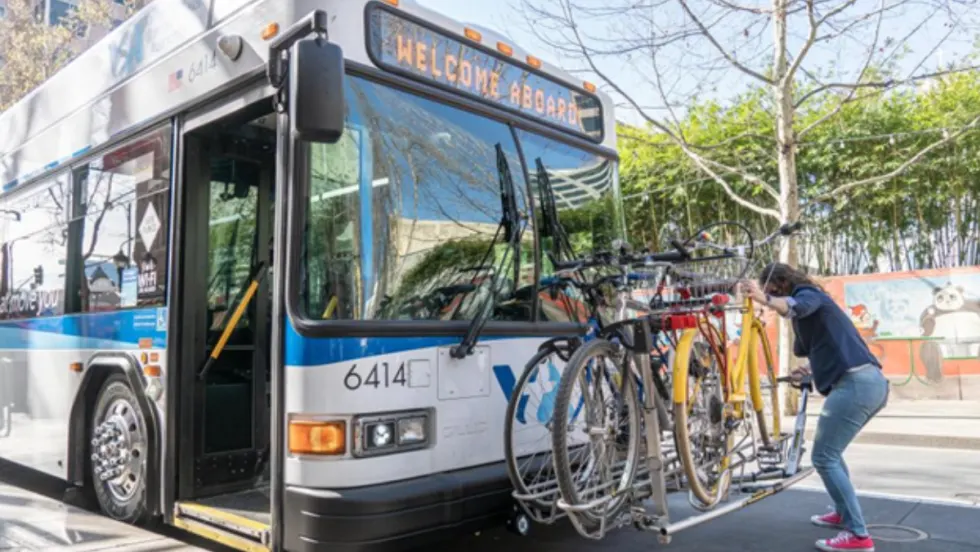
What Multimodal Data Can Tell Transit Agencies About Rider Demand
See how bike-on-bus data is giving transit agencies new insight into rider demand, capacity constraints, and gaps in first- and last-mile connections.
Read More →
From Hardware to Digital Partner: Luminator Charts Its Next Chapter
CEO Magnus Friberg discusses Luminator’s shift toward becoming a digital partner, the growing importance of software and interoperability, and how AI can help agencies improve operations and passenger experience.
Read More →
Biz Briefs: Alstom Lands Canadian Contract, LYT to Supply California TSP, and More
In METRO's latest installment, we take a look at recent news from Complete Coach Works, Beep, FlixBus, and more partnerships making headlines across the transportation sector.
Read More →
CharterUP’s Armir Harris on Technology, AI, and the Future of Group Mobility
In a recent episode of METROspectives, CharterUP Founder/CEO Armir Harris discussed the company’s evolution from an online charter bus marketplace into a technology platform supporting public- and private-sector mobility and much more.
Read More →
Jacksonville’s NAVI Project Charts a New Course for Autonomous Public Transportation
Through its NAVI program, JTA is showing how autonomous vehicles, intelligent infrastructure, and coordinated operations can work together to deliver everyday public transportation.
Read More →
Biz Briefs: Luminator Marks Milestone and More
From manufacturers and suppliers to transit agencies and motorcoach operators, these updates offer a snapshot of the projects, partnerships and business moves driving the industry forward.
Read More →
New Tricks for Old Bureaucracies: Joshua Schank on Making Transit Innovation Stick
Former LA Metro Chief Innovation Officer Joshua Schank discusses why good ideas aren't enough, how transit agencies can overcome resistance to change, and why today's challenges demand more innovation.
Read More →