



USDOT announces nearly $50M to improve access, mobility
The new programs will look to develop and deploy innovations in technology and further interagency partnerships to improve mobility.

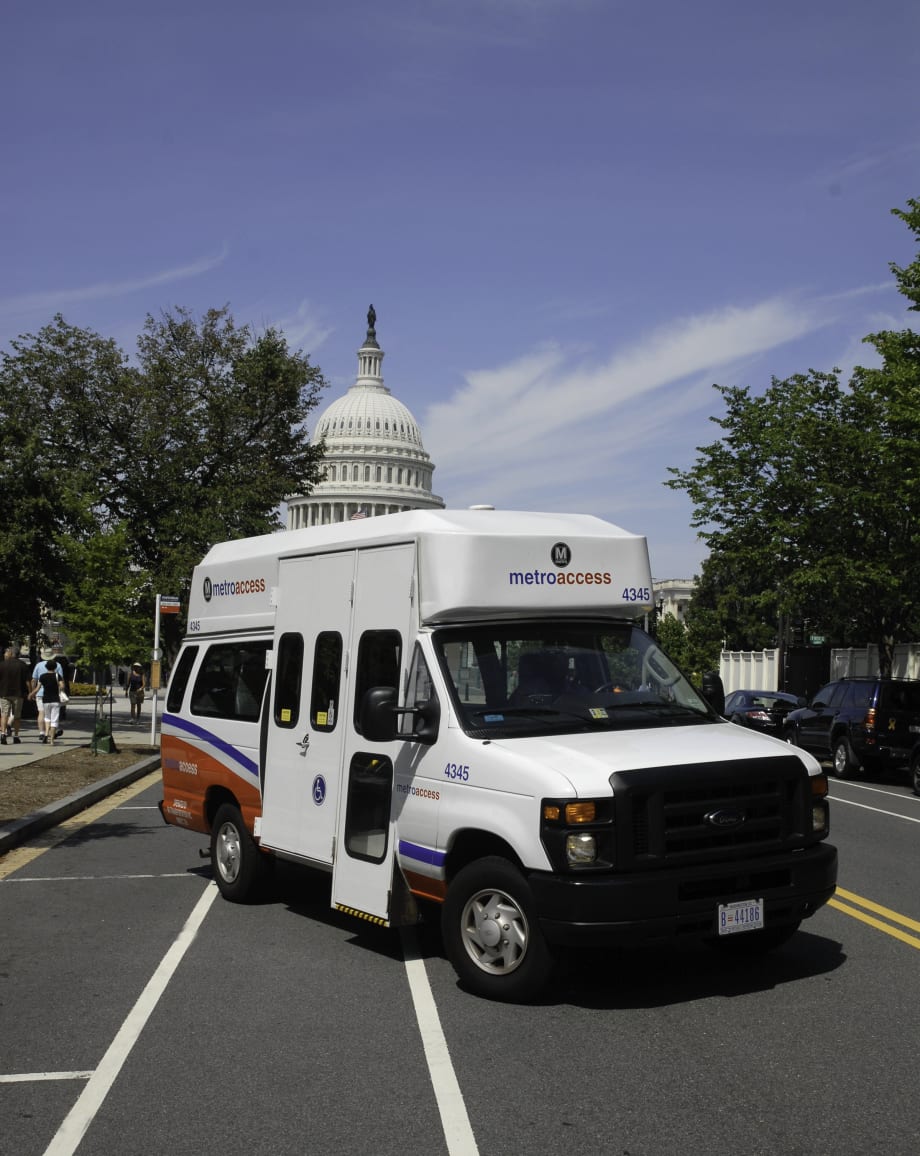
The USDOT and 10 other federal agencies also approved the strategic plan for the Coordinating Council on Access and Mobility.
Larry Levine
The USDOT and 10 other federal agencies also approved the strategic plan for the Coordinating Council on Access and Mobility.
Larry Levine
The U.S. Department of Transportation (USDOT) announced nearly $50 million in new initiatives to expand access to transportation for people with disabilities, older adults, and individuals of low income at the “Access and Mobility for All Summit.”
At the event, Secretary of Transportation Elaine L. Chao announced her intent to fund the new programs to develop and deploy innovations in technology and further interagency partnerships to improve mobility.
The USDOT assembled leaders from industry, academia, nonprofits, and government to participate in panel discussions and breakout sessions focused on interagency coordination, advanced vehicle technologies, and innovations in mobility services.
“We are focused on streamlining the multiple steps involved in traveling between locations into a smooth and seamless trip,” said Federal Transit Administration (FTA) Acting Administrator K. Jane Williams, who moderated a panel.
As part of her keynote address, Chao announced:
A planned Complete Trip Deployment solicitation, which will make up to $40 million available to enable communities to showcase innovative business partnerships, technologies, and practices that promote independent mobility for all. “Complete Trip” means that a user can get from point A to point B seamlessly, regardless of the number of modes, transfers, and connections.
A planned Inclusive Design Challenge, which will make up to $5 million in cash prizes available to innovators who design solutions to enable accessible automated vehicles. USDOT aims to increase availability and decrease cost of aftermarket modifiers that improve accessibility of vehicles today and spark development for future automated vehicles.
A Notice of Funding Opportunity for FTA’s FY 2020 Mobility for All Pilot Program. The program seeks to improve mobility options and access to community services for older adults, individuals with disabilities, and people with low incomes. The $3.5 million initiative will fund projects that enhance transportation connections to jobs, education, and health services.
The USDOT and 10 other federal agencies also approved the strategic plan for the Coordinating Council on Access and Mobility (CCAM), an interagency partnership to coordinate the efforts of federal agencies funding transportation services for targeted populations. The strategic plan includes goals to improve access to jobs, health care, education, and community services by eliminating government duplication of services, reducing regulatory burden, increasing access to cost-effective transportation services, and ensuring that transportation services are centered on the citizens who depend on them as a lifeline to community participation. The strategic plan will help provide better transportation outcomes through the coordination of more than 130 government-wide programs.
More Paratransit

Biz Briefs: RIPTA Unveils New Frontrunners, Clevland RTA Adds New Siemens, and More
In METRO's latest installment, we take a look at recent news from Siemens, Prevost, Dodge, and more partnerships making headlines across the transportation sector.
Read More →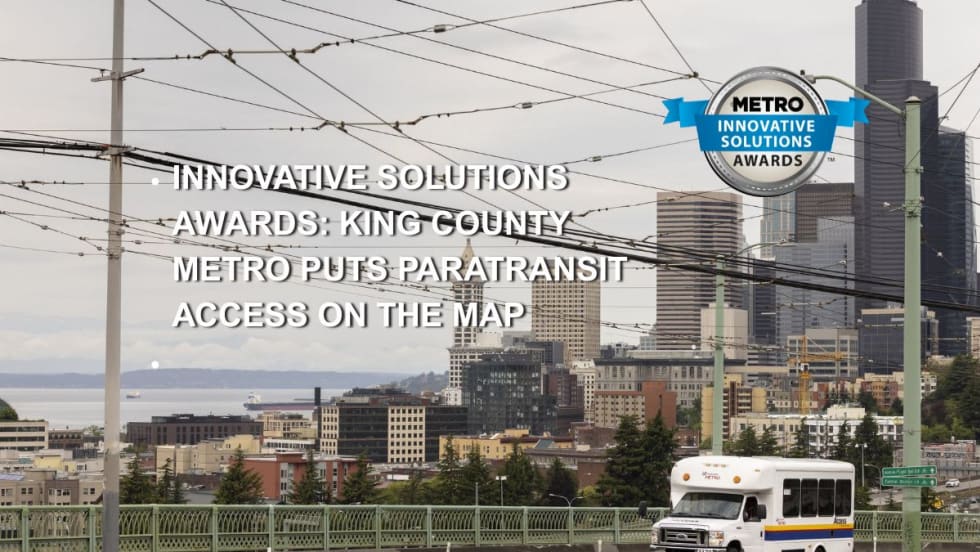
King County Metro Makes ADA Paratransit Easier to Navigate
METRO's Innovative Solutions Award winner replaces complex service-area descriptions with an accessible, interactive map that puts paratransit information directly in customers’ hands.
Read More →
Jacksonville’s NAVI Project Charts a New Course for Autonomous Public Transportation
Through its NAVI program, JTA is showing how autonomous vehicles, intelligent infrastructure, and coordinated operations can work together to deliver everyday public transportation.
Read More →
Driving Smarter Paratransit
John Hanlon shares how AlphaRoute is leveraging AI-powered technology to help paratransit providers optimize operations, support frontline staff, and enhance the rider experience.
Read More →
METRO Magazine Announces 2026 Innovative Solutions Awards Winners
Projects Recognized for Advancing Mobility Through Technology, Accessibility, Workforce Innovation, and Operational Excellence
Read More →
Biz Briefs: STV teams with Amtrak, Motorcoach Operators Boost Fleet and Land Contracts, and More
From manufacturers and suppliers to transit agencies and motorcoach operators, these updates offer a snapshot of the projects, partnerships and business moves driving the industry forward.
Read More →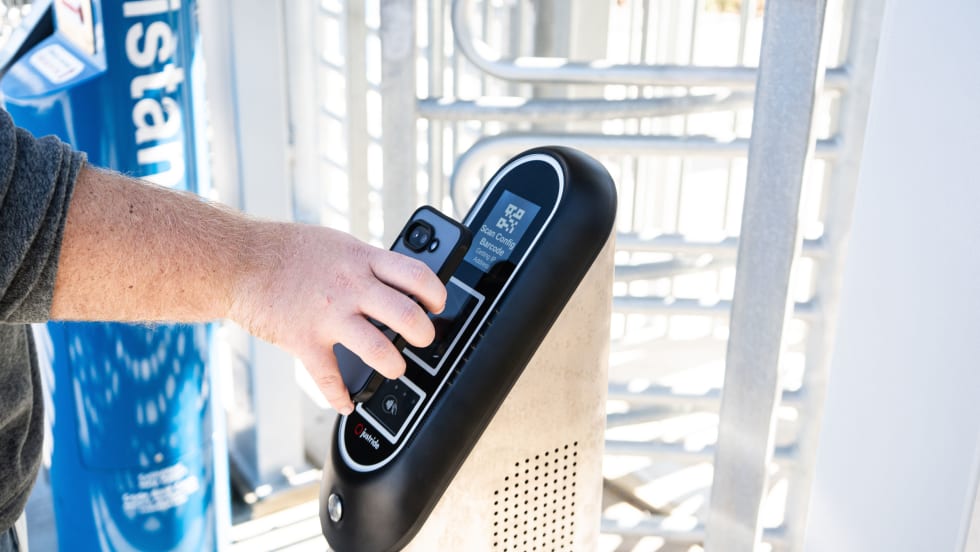
Biz Briefs: Masabi Teams with St. Louis Metro and More
In METRO's latest installment, we take a look at recent news from Transdev, Hitachi, and more partnerships making headlines across the transportation sector.
Read More →
New York MTA Leverages Zoning Program to Advance Station Accessibility
Accessibility enhancements at Nevins St Station will be financed through a development agreement tied to the MTA's Zoning for Accessibility initiative.
Read More →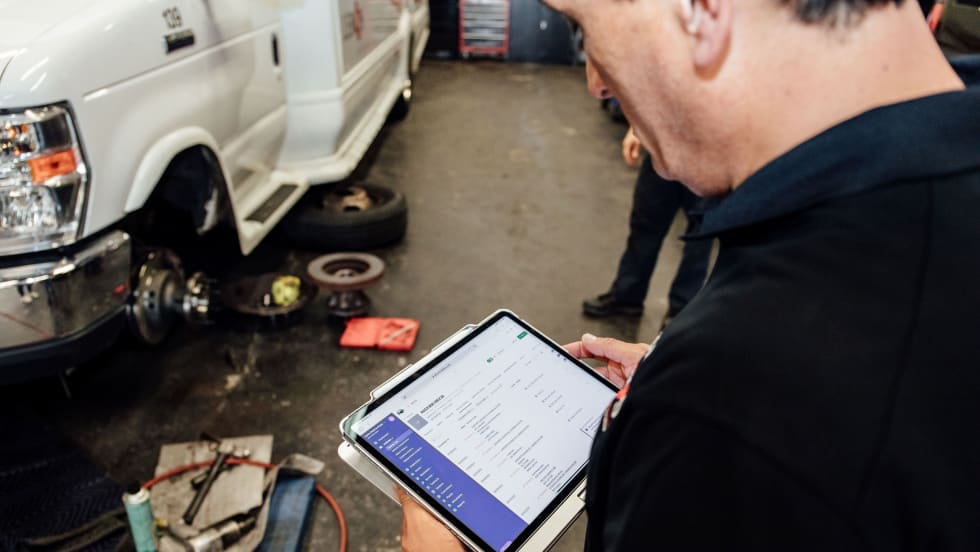
Reinventing Fleet Maintenance with Real-time Visibility and AI
Transit leaders need to know what needs fixing, where to look, who is responsible, when work is completed, and what it costs without having to chase information across disconnected systems.
Read More →
SamTrans Sets Priorities for Potential Connect Bay Area Revenue
The board-approved framework allocates future funding to maintaining service, rider improvements, equity initiatives, and infrastructure repairs.
Read More →