



V. Tech focuses on alternative transportation options
Students can take advantage of the university’s Bike, Bus and Walk program, which allows students without a single-occupancy vehicle parking permit to apply for 15 free daily hang tags per semester.

Virginia Polytechnic Institute and State University (Virginia Tech) in Blacksburg, Va., has several transportation options available to students and faculty that minimize the number of single-occupancy vehicles brought to campus. These options supplement the 11 public Blacksburg Transit routes that serve the school.
Alternative Transportation Manager Deborah Freed says the university began looking at alternative transportation options in 1999. “With parking, if you build it, they will come — and that’s not always a good thing, since it leads to more congestion on campus and the need for more and more parking to be built,” Freed says. “We felt the need to give commuters an alternative to driving alone.”
Students can take advantage of the university’s Bike, Bus and Walk program, which allows students without a single-occupancy vehicle parking permit to apply for 15 free daily hang tags per semester. Also available is an emergency ride back program, so students who have chosen alternative transportation can get a ride back home in case of an emergency. “That’s been used very lightly, but it’s the kind of fallback measure that makes people feel safe joining the program,” Freed says.
Virginia Tech also offers a vanpool and carpool program. The cost of a carpool parking permit is 30-percent less than for a single-occupancy vehicle permit, plus the cost can be split between the people in the carpool. There are reserved parking spots on campus, and carpool permit holders also receive five free daily hang tags per semester for days when they need to have a vehicle on campus but are not carpooling.
Starting this coming school year, the university will have U Car Share vehicles on campus for student and faculty use. People who sign up as members can reserve cars online, and the hourly rate covers gas and insurance. The program comes at no cost to the university, which only has to provide signage and parking spaces for the six vehicles.
“These are relatively inexpensive programs to put in place, and I would say that the cost that we have reduced in building new parking probably has covered the cost of the program itself,” Freed says.
She says that people in the Virginia Tech community have been turning to alternative transportation options for a variety of reasons, including high gas prices, tough financial times making it more difficult to own and operate a car, and environmental reasons. “The environmental movement has been very strong on our campus, so we have a lot of folks who are opting for what they see as greener transportation options to cut down on their personal carbon footprints,” Freed explains.
More Bus
Brian Dickson on Building Stronger, More Resilient Transportation Organizations
Bus Business Consultants Founder Brian Dickson discusses the leadership principles, operational discipline, and strategic planning that separate transportation companies positioned for long-term success from those stuck in survival mode.
Read More →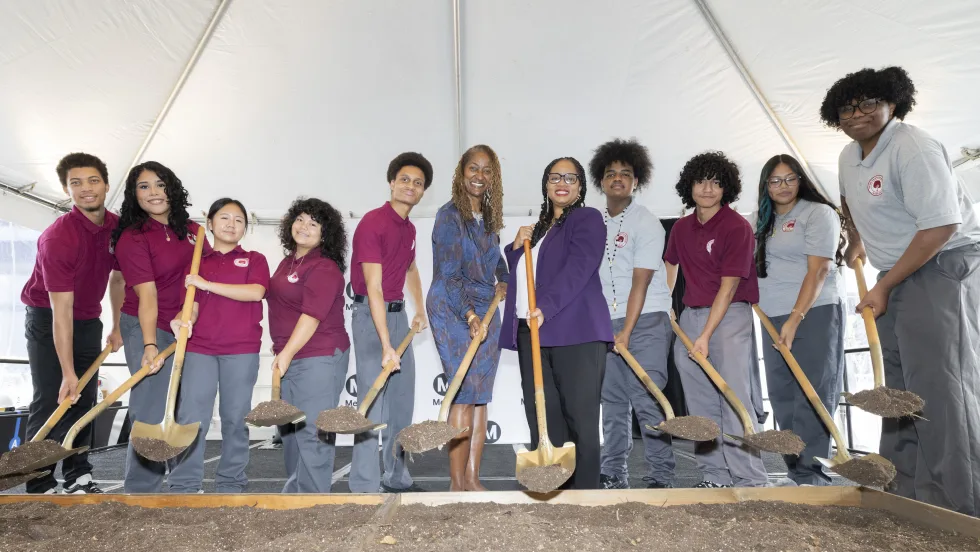
LA Metro Breaks Ground on Vermont BRT Project
The 12.4-mile corridor is projected to serve 66,200 daily riders, reduce travel times by up to 24%, and create the nation's busiest bus rapid transit corridor.
Read More →
Roman Cornell on ABC Companies’ Evolution and the Future of Passenger Transportation
The company’s CEO discusses carrying forward a third-generation family legacy, ABC’s continued evolution in passenger transportation, support for increasingly complex fleets, and how technology and continued investment could help operators improve uptime.
Read More →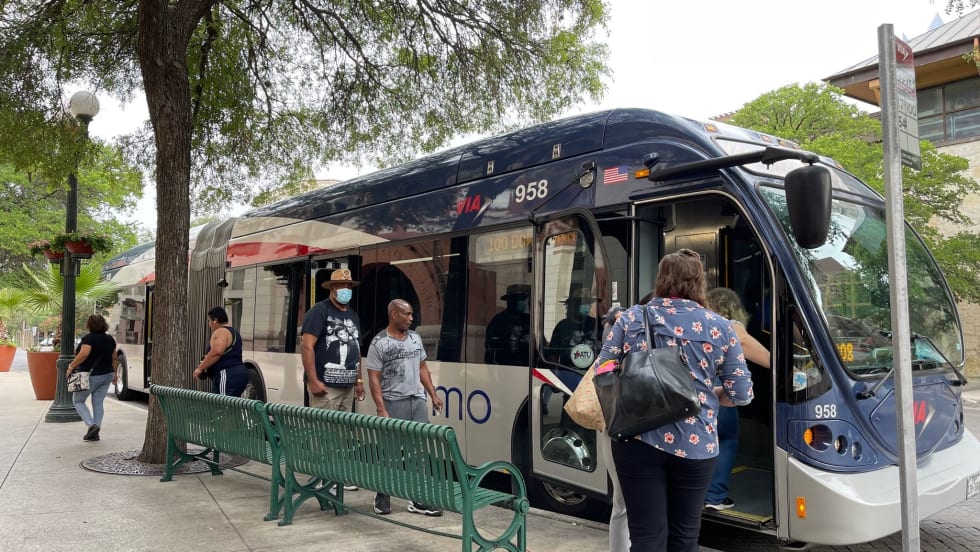
VIA Bus Ridership Grows 10.1% Through August 2026
San Antonio's VIA Metropolitan Transit reported the highest bus ridership growth among major Texas transit systems. Federal Transit Administration data ranked it second among the nation's 50 largest transit systems.
Read More →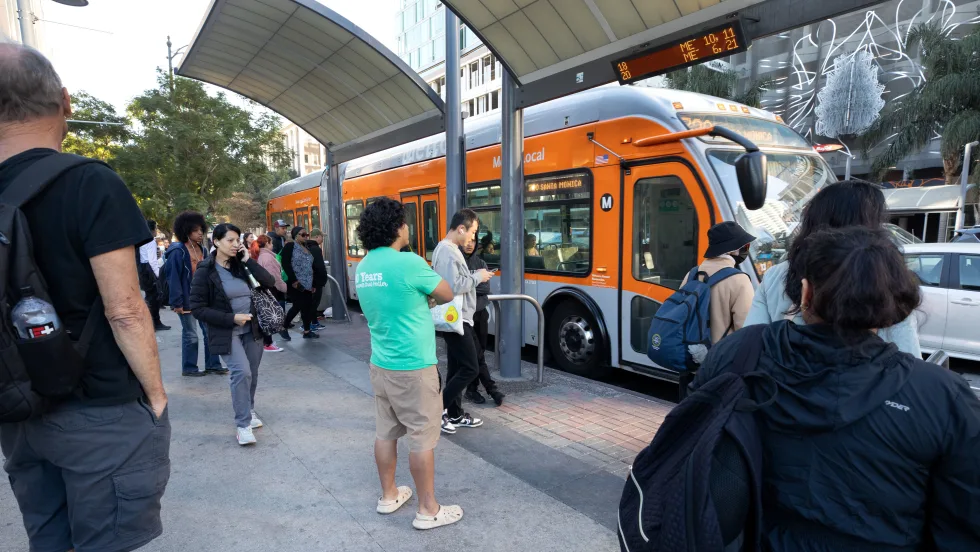
LA Metro September Ridership Climbs 3.9%, Led by Rail Growth
The agency recorded more than 27.2 million boardings, with rail ridership increasing 12.4% year over year and the D Line posting the largest gains.
Read More →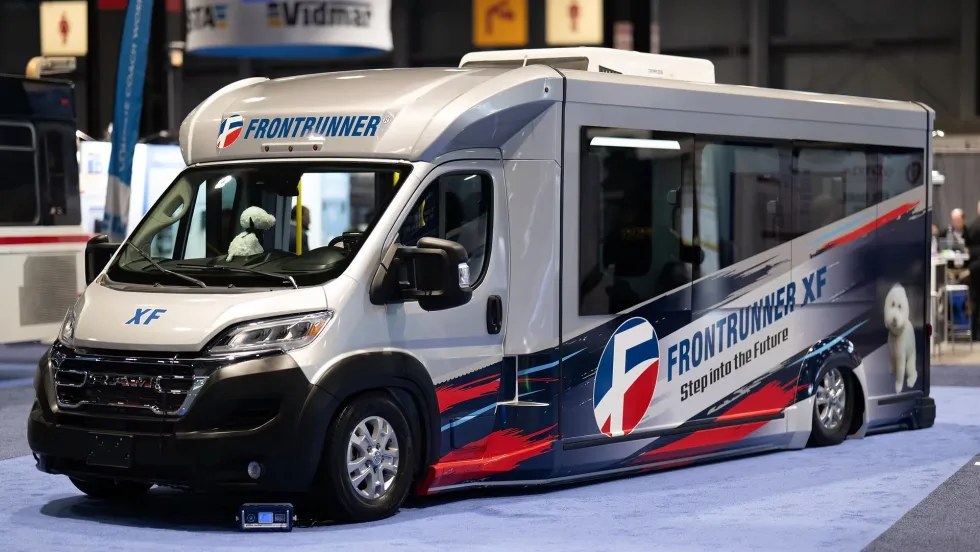
Frontrunner Bus Group Introduces XF Low-Floor Bus with Enhanced Accessibility
The new mid-sized bus features a full flat-floor design, eight-inch curbside step-in height, and zero-entry rear ramp to improve passenger access and operational flexibility.
Read More →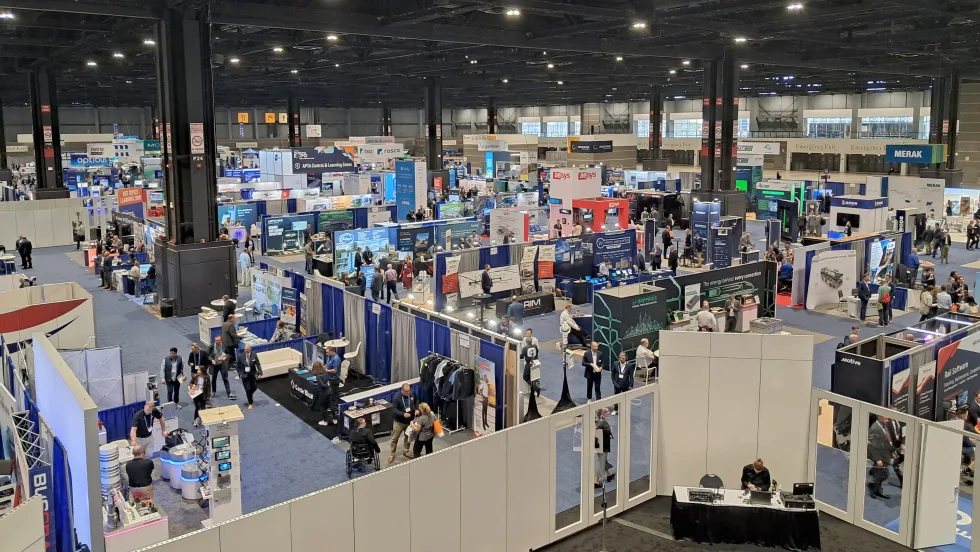
Scenes from APTA TRANSform & EXPO 2026
Transit leaders, manufacturers, and industry professionals gathered in Chicago to explore new technologies, share ideas, and discuss the future of public transportation.
Read More →
More Than a Summer Job: Building the Next Generation of Transit Talent
The Delaware River Port Authority and PATCO have transformed their internship program into a hands-on professional development experience that introduces students to the breadth of transportation careers — and creates a pipeline for future employees.
Read More →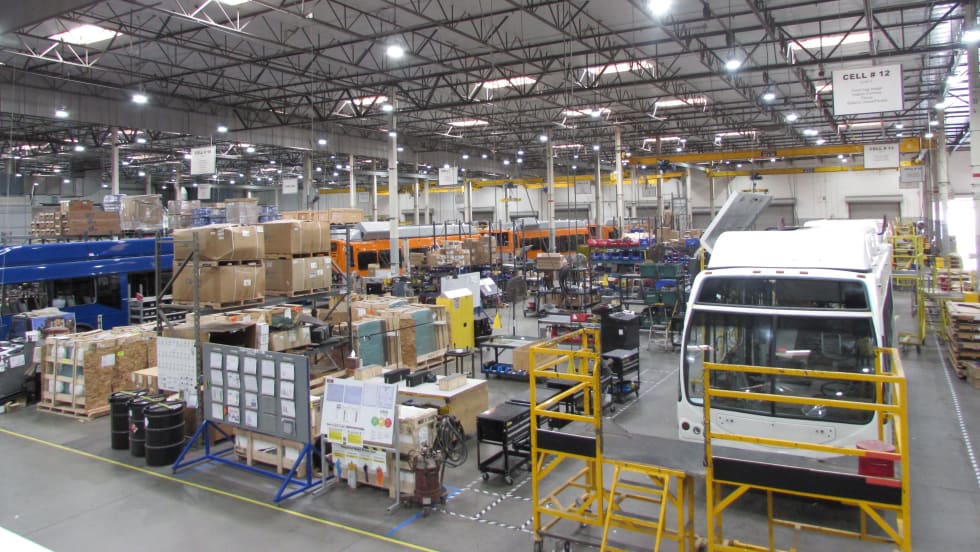
LA Metro Board Awards 220 Battery-Electric Bus Contract to ENC
The contract, which is the largest base award of battery-electric buses by a U.S. transit agency, will be built in Southern California, sustaining good jobs as LA prepares to welcome the world in 2028
Read More →
Public Transit Conference Returning to GFX in 2027, Call for Papers Now Open
The Call for Papers is now open, allowing transit agency professionals and industry experts to help shape the PTC educational program by submitting session ideas for consideration.
Read More →