



What's your top challenge?
The pressure of managing a university parking and transportation operation can be significant. To get a sense of what’s going on across the country, we polled some university transportation managers for their thoughts on their greatest challenge. Handling student drivers, managing expection and keeping up with growth are some issues being faced.

The pressure of managing a university parking and transportation operation can be significant. But the challenges vary from campus to campus, state to state and region to region. To get a sense of what’s going on across the country, we polled some university transportation managers for their thoughts on their greatest challenge. Handling student drivers
The biggest challenge facing us is the fact that 90% of our bus drivers and paratransit van drivers are students. Students inherently have unpredictable schedules, unique priorities and academics to be more concerned about. In spite of having the highest pay rates on campus for student employees, we often have many shifts uncovered until the very last minute. Fortunately, we do have 10 to 20 students who are completely self-supporting and who generally work in excess of 30 to 35 hours per week. This helps with the scheduling a great deal, but does not account for getting the less favorable hours covered on a consistent basis. Janet Freniere, Transportation Services Administrator, University of Connecticut in StorrsManaging expectation
My greatest challenge is balancing the diverse expectations and needs of the campus community. The expectations and needs of a doctor at the university hospital are much different than that of a freshman student — much like the expectations and needs of an individual riding the bus or biking are much different than an indvidual driving or carpooling to campus. Throw in the challenge of trying to make sure the initiatives and programs you offer are all environmentally friendly and you find yourself becoming not only a transportation professional but wearing the hat of a campus planner, engineer, environmentalist, etc. Lance Lunsway, Director of Transportation Services, University of Wisconsin, MadisonUpgrading the image
One of the monumental challenges I have faced in the task of providing parking and transit services for a university community of more than 30,000 is being able to change the perception and image of my department. My wish is to help our public understand that there are usually particular reasons why certain policies are in place — policies that ensure that everyone is well-served in our transit and parking operations. While I know it is unrealistic to think that we can get to a place where our community is extolling the virtues of our department, I am working toward changing the perception of the department on campus. David Allen, Director of Transportation Services, University of Maryland in College ParkKeeping up with growth
We have experienced steady growth in ridership — no less than 15% each month. For this reason, our campus shuttles are bursting at the seams with students. Efforts are being made to partner with the local transit provider; however, their vehicles (20- to 27-passenger cutaway buses) are much smaller than our 35-foot Gilligs, and routes are a lot longer than most students are willing to tolerate. Furthermore, we are being asked to provide additional stops in the downtown area (which is being redeveloped) and other locations throughout the Bowling Green community. Unfortunately, we don’t have enough equipment or revenue to meet the demand for our service; however, we will continue to solicit federal funding opportunities and best practices for ways in which we may overcome this obstacle. Alonda Massey, Transit General Manager, Parking and Transportation Services, Western Kentucky UniversityExpanding the budget
My biggest challenge is trying to manage the Aggie Shuttle with minimal administrative support and a very tight budget. I’m pushing to have the student fees for transportation increased by $2, from $11 to $13. If approved, the extra funding would help me increase the wages of our drivers, many of whom are students. Alden Erickson, Bus Operations Supervisor, Utah State University in LoganMaximizing cost efficiencies
My greatest challenge is trying to minimize the cost of transit services while maximizing the efficiency and quality of services demanded by customers. David E. Harris Jr., General Manager, Operations and Finance, Harvard University Transportation Services Boston
More Management
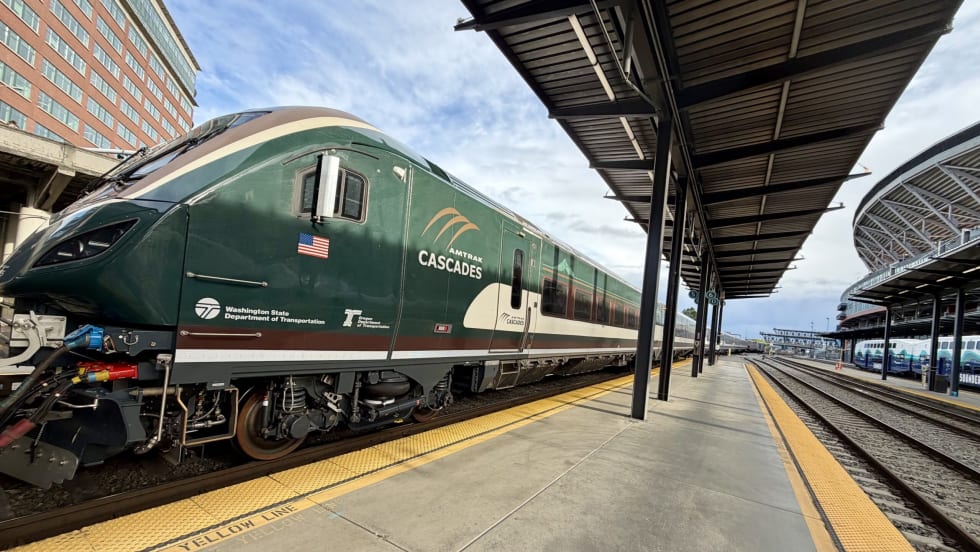
FRA Announces $5.3B in Rail Investments, Including $2B for Amtrak
Funding will support grade-crossing improvements, infrastructure upgrades, and new Amtrak equipment in 23 states.
Read More →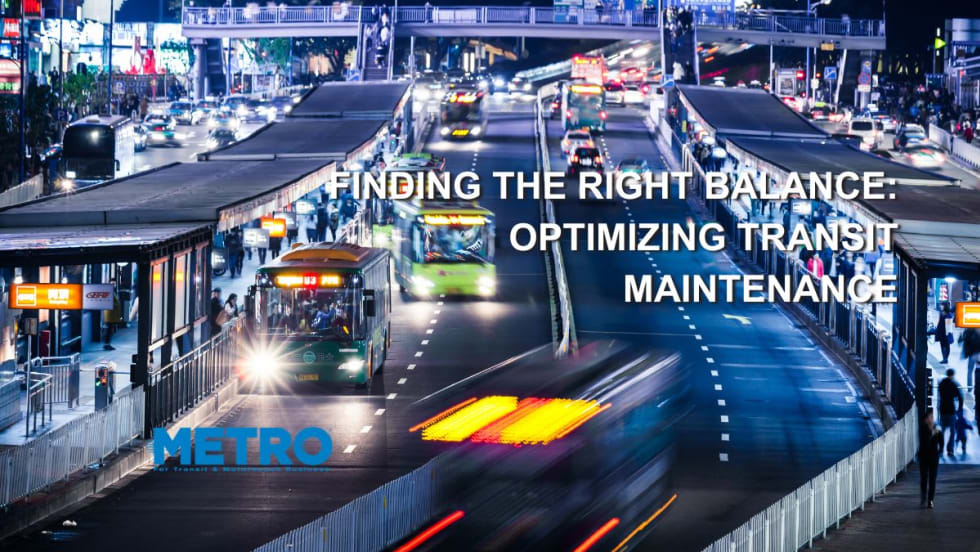
Finding the ‘Happy Medium’: Optimizing Maintenance Without Sacrificing Reliability
The key to maintenance optimization isn’t doing less work—it’s doing the right work at the right time on the right assets.
Read More →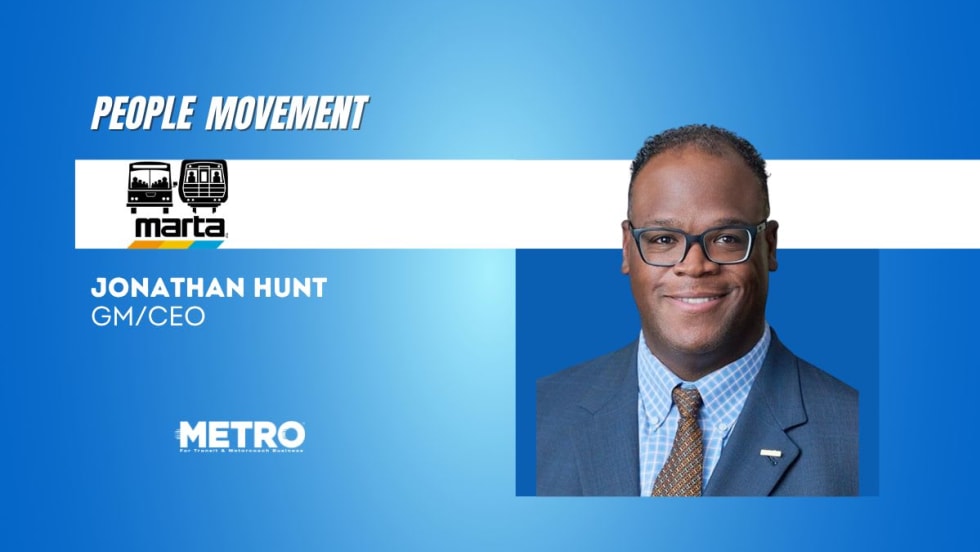
People Movement: MARTA Drops Interim Tag on GM/CEO Hunt and More
In this edition, METRO covers recent appointments and announcements at the FMCSA, HDR, SilverRide, and more, showcasing the individuals helping to shape the future of transportation.
Read More →
VIA Metropolitan Transit Reports 2 Million More Passenger Trips as Better Bus Plan Gains Momentum
San Antonio's transit agency said accelerated service improvements are driving ridership growth, offering another example of how increased frequency and workforce investments can translate into stronger transit performance.
Read More →
ABAF Study Reveals Growing Insurance Crisis for Motorcoach Operators
Preliminary findings show 98% of operators faced premium increases over the past five years, while shrinking insurer participation is putting added pressure on businesses and customers.
Read More →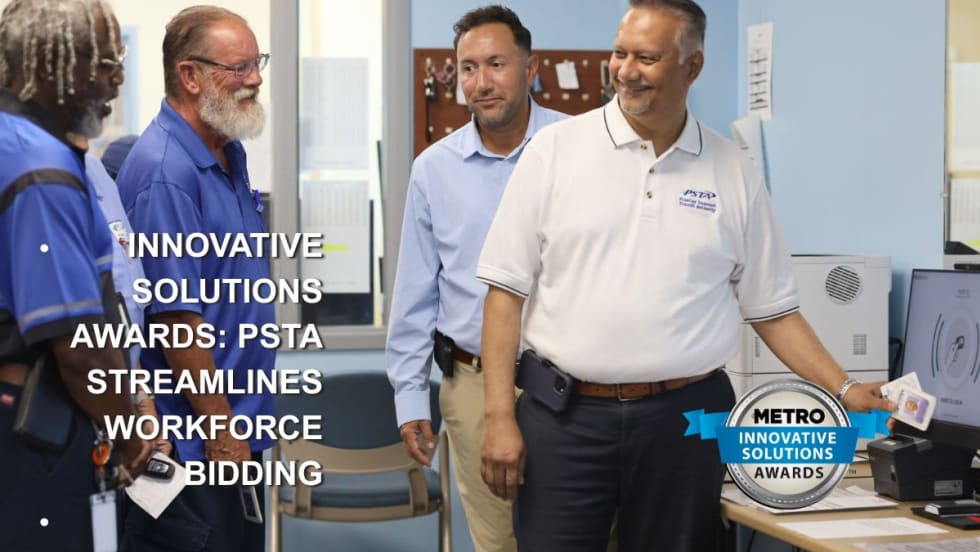
PSTA Modernizes Workforce Management with Digital Bidding System
The award-winning Workforce Transit Modernization project replaced paper bidding with a transparent digital platform, cutting administrative effort while improving access for operators.
Read More →
Chicago to Host Public Transportation's Biggest Gathering at APTA TRANSform & EXPO 2026
North America’s largest public transportation gathering returns to Chicago, connecting transit decision-makers with the technologies, ideas, and partnerships driving the industry forward.
Read More →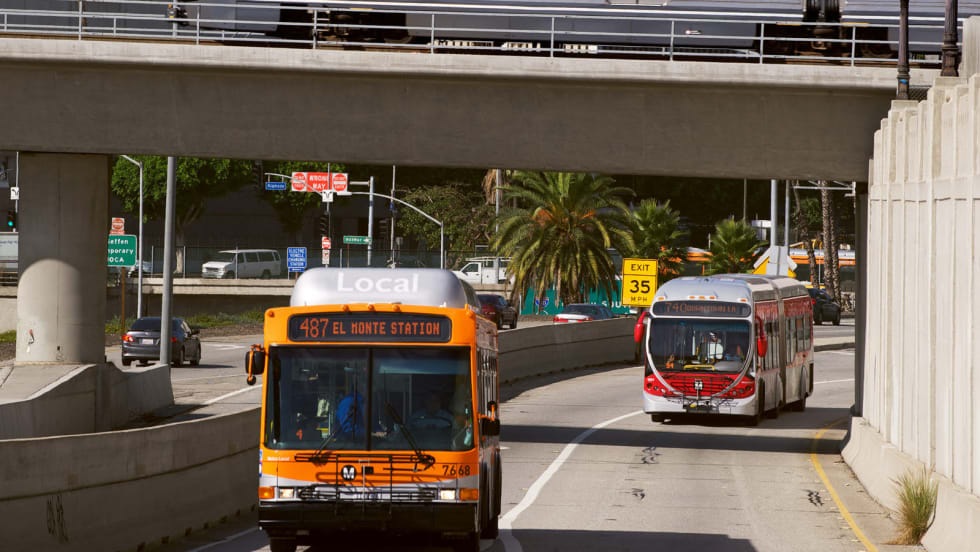
New Tricks for Old Bureaucracies: Joshua Schank on Making Transit Innovation Stick
Former LA Metro Chief Innovation Officer Joshua Schank discusses why good ideas aren't enough, how transit agencies can overcome resistance to change, and why today's challenges demand more innovation.
Read More →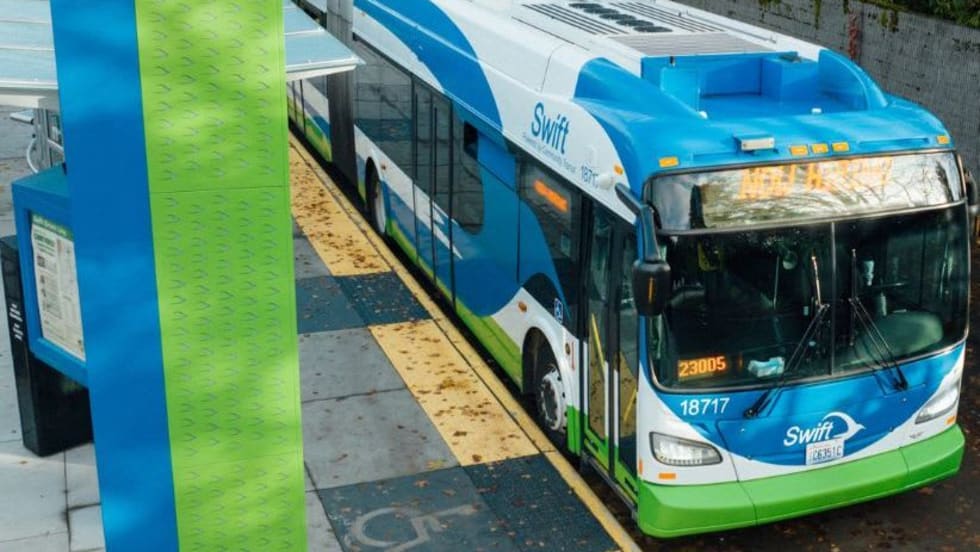
Washington's Community Transit Sets Six-Year Roadmap for Growth, Expansion
Approved TDP targets more bus service, new mobility options, Swift BRT expansion, and a potential Everett Transit annexation.
Read More →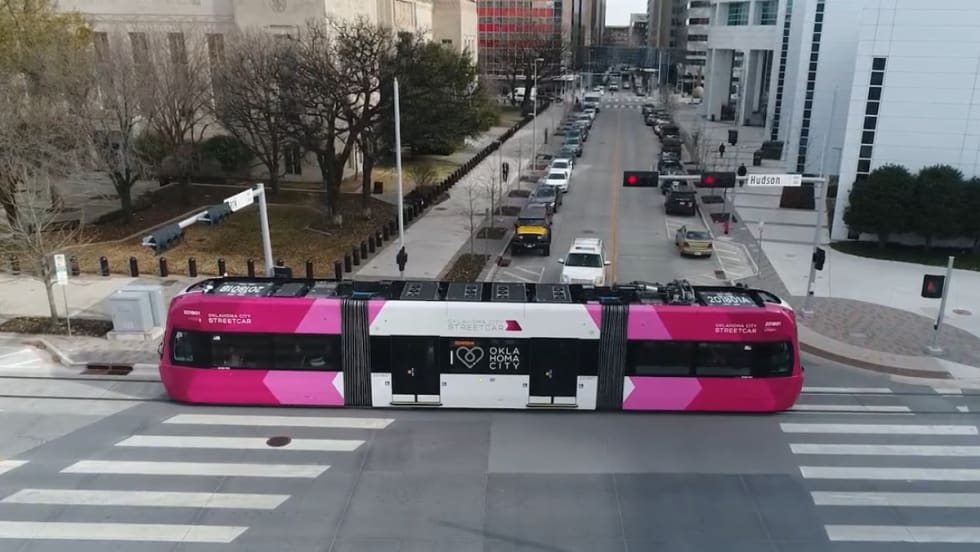
OKC Streetcar Makes Zero-Fare Service Permanent
Ridership increased an average of 71% compared with the same period a year earlier during the fare-free pilot.
Read More →