The budget gap is a result of several factors, including lower ridership revenue that is still recovering from the pandemic, the depletion of federal pandemic relief funds, a subsidy credit provided to jurisdictions in 2020, and historic inflation.
WMATA is unique among transit agencies in the U.S. in that it was structured without any independent funding and is legally required to pass a balanced budget every year.
Photo: WMATA/Larry Levine
3 min to read
The Washington Metropolitan Area Transit Authority (WMATA) released a proposed budget for its next fiscal year that, without additional contributions from its funding partners, would necessitate fare increases and drastic cuts to service and to WMATA’s workforce.
The agency faces a $750 million funding gap for Fiscal Year 2025, which begins July 1.
Ad Loading...
The budget gap is a result of several factors, including lower ridership revenue that is still recovering from the pandemic, the depletion of federal pandemic relief funds, a subsidy credit provided to jurisdictions in 2020, and historic inflation.
WMATA’s Budget Issues
WMATA is unique among transit agencies in the U.S. in that it was structured without any independent funding and is legally required to pass a balanced budget every year.
Despite an exhaustive effort to find internal savings, including $95 million in one-time savings carried over from FY24, $50 million in recurring annual savings and efficiencies, and a hiring and salary freeze, closing a gap of this size to pass a legally-required balanced budget requires drastically reducing rail, bus, and paratransit service, increasing fares, slashing workforce, and deferring maintenance and modernization projects, ultimately making the system less safe and reliable, according to the agency.
“Metro is facing an unprecedented, existential crisis that requires our region to rally together if we want to avoid the catastrophic impacts this budget would have on our region,” said WMATA GM/CEO Randy Clarke. “We are doing everything in our power to avoid the doomsday scenario outlined in this budget proposal, but we must also be transparent and honest about how devastating these cuts would be if additional funding isn’t secured.”
Cost-Cutting Proposals
Beginning in January, WMATA will implement a hiring freeze, eliminate wage and salary increases, and issue legally required layoff notices to portions of its workforce alerting them to the potential of layoffs next summer if additional funding is not provided.
Ad Loading...
Due to workforce attrition, customers could see degraded service as early as late winter or early spring.
Additional proposals, include:
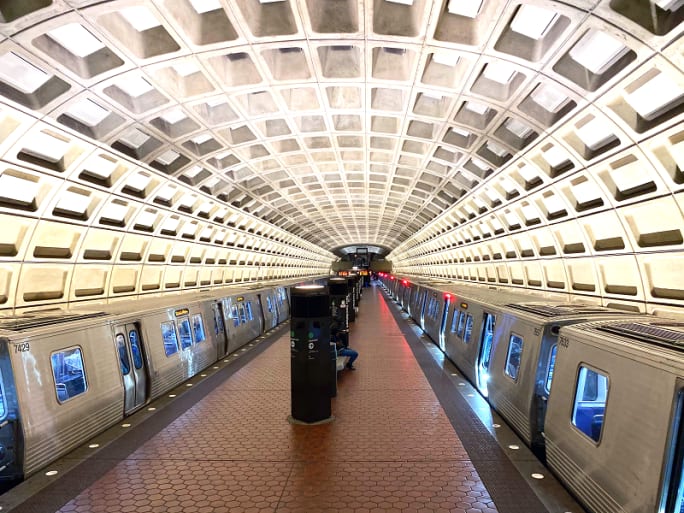
Metrorail: System closure at 10 p.m., seven days a week; close 10 low-ridership stations; and decreased service on all Metrorail lines.
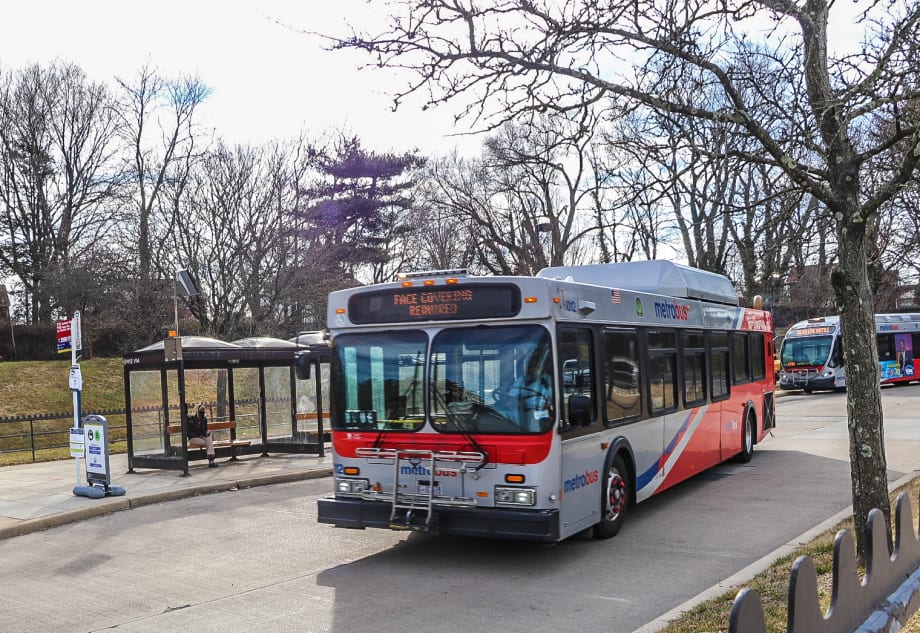
Metrobus: Eliminate service on 67 of 135 Metrobus routes and reduce service on 41 of the remaining routes.
MetroAccess: Service area reduced to align with reduced Metrobus and Metrorail service area, in accordance with federal law and 320,000 annual trips negatively impacted.
Fares: Increase all fares by 20%, including Metrorail, Metrobus, MetroAccess, and discounted fare products, resulting in customers paying more for much-degraded service.
Beginning in January, WMATA will implement a hiring freeze, eliminate wage and salary increases, and issue legally required layoff notices to portions of its workforce alerting them to the potential of layoffs next summer if additional funding is not provided.
Photo: WMATA/Larry Levine
WMATA’s Capital Budget
WMATA’s robust capital improvement program in recent years has improved customer experience and satisfaction across the board, with less frequent infrastructure-related service disruptions, much-improved escalator availability, and modernized stations and customer amenities.
However, the agency is reluctantly proposing to use $193 million more in capital funding to cover operating maintenance expenses to help close the large gap in FY25. The shift is necessary for WMATA to be able to provide even the much-reduced service levels proposed in FY25.
Ad Loading...
Such a large transfer of capital funds to operating expenses puts the system’s state of good repair, including safety and reliability, at risk, and threatens to delay, defer, decrease, or cancel several long-term projects to modernize the system, including:
8000-series railcar purchase options and ability to retire oldest, least reliable railcars.
Better Bus initiative, including goal to transition to 100% zero emission buses by 2042.
Degraded customer experience.
The combined effect of service cuts, fare increases, layoffs, and reduced capital spending on infrastructure would lead to a much-degraded customer experience, according to the agency. Impacts would include:
Decreased safety and security due to reduced Metro Transit Police presence, longer police response times, weakened cybersecurity, and other risks.
Dirtier trains, buses, and stations, and reduced ability to deliver real-time trip information.
Reduced reliability across the board, from trains and buses to escalators and elevators.
Between now and February, WMATA staff and the board will finalize a budget proposal for the public’s input and comments.
Contract Four is the largest in the Second Avenue Subway Phase 2 project and includes construction of station infrastructure, tracks, and signals for the subway expansion, MTA officials said. Work on Contract Four will begin in 2027.
The new regional transit authority appointed its first board chair and interim executive director while extending reduced fares across CTA, Metra, and Pace for eligible riders.
Reliability-Centered Maintenance helps transit agencies move beyond routine checklists to focus limited resources on the assets and failures that have the greatest impact on safety, reliability, and service.
The 90-day demonstration will deploy coordinated security teams at five light rail stations while testing controlled access and gathering data to guide future investments.
Learn about delivering 1300 gates at 91 stations while managing fare evasion. Explore the large scale deployment, solution customization and real-world results that affect the region. Prepare for deployment in your region now.
Between packed transit stations and team motorcoaches, see how agencies and operators across North America tackled the transportation demands of the 2026 FIFA World Cup.
The stopgap keeps federal transportation programs moving, but missing advance funding could complicate the transit and rail projects agencies are planning next.