




Customer is Always Right: WMATA Taps Reflexions to Modernize Digital Customer Experience
WMATA Takes Next Step in Better Bus Network Redesign
Metro will host community-focused events across the region and launch an interactive website where customers can explore the reimagined bus network and provide input.
April 11, 2023

During this phase, Metro will also provide a first look at the draft Visionary Network of the future that matches the region's changing travel needs, advances equity and sustainability, and increases access to opportunities.
Photo: WMATA
3 min to read
The Washington Metropolitan Area Transit Authority (Metro) announced 50 events in 50 days kicking off the next phase of its Better Bus Network Redesign.
During this phase, Metro will also provide a first look at the draft Visionary Network of the future that matches the region's changing travel needs, advances equity and sustainability, and increases access to opportunities.
Starting Monday, April 17 through Monday, June 5, Metro will host community-focused events across the region and launch an interactive website where customers can explore the reimagined bus network and provide input.
The Better Bus "Experience LIVE!" will include in-person workshops, community pop-up events, and virtual "lunch and learns." The virtual "Experience LAB" will also offer people an interactive tool that enables customers to compare their trip today to their routes in the draft Visionary Network, as well as a map library to explore route profiles and the network as a whole.
"We want to create a bus network that is easier for customers to use, more efficient, and aligned with where and when people want to travel," said Paul C. Smedberg, Metro Board chair. "We want people to take the bus because it's the best, most reliable, and sustainable option. The draft Visionary Network is the first step to getting there and creating a more equitable transit network."
The bus network envisioned under the draft proposal includes expanding the high-frequency service network from 36 routes to approximately 100 routes that would operate every 20 minutes or less, regional 24-hour bus service, more routes operating seven days a week, and more direct connections to where customers want to go. The draft Visionary Network provides a long-term roadmap to create the bus network the region needs.
"We are committed to providing fast, frequent, and reliable service that is a quality experience for our customers and operators," said Randy Clarke, GM/CEO of Metro. "Our region needs a network that matches when and where people want to travel, addresses inequities, and gets more people on buses and out of cars providing environmental benefits to the region."
Under the draft Visionary Network, more people would have access to more bus service including:
73% more people with access to high-frequency bus service on Saturdays.
64% more people with access to high-frequency bus service on Sundays.
123,000 and 208,000 more residents on Saturdays and Sundays will have bus service.
1.1 million residents across the region will have 24-hour bus service; 307,000 more will have late-night bus service (10 p.m. to 2 a.m.).
The network redesign incorporates feedback gathered in the first phase last fall, including more than 11,000 people, as well as bus operators and its regional transit partners.
The Better Bus Network Redesign builds on the previously completed Bus Transformation Project (BTP), a study conducted in partnership with local agencies, to create a plan to transform bus service.
More Bus

Castro to Lead RTC of Southern Nevada and More in People Movement
In this edition, we also cover recent appointments and announcements at the STV, MCI, and more, showcasing the individuals helping to shape the future of transportation.
Read More →
Study: Denver RTD Generates $2.1 Billion in Annual Economic Activity
An economic impact study finds the agency supports approximately 17,500 jobs, delivers $1.6 billion in annual community and mobility benefits, and generates $2.42 in economic value for every dollar invested.
Read More →
Mark Aesch Nominated to Lead Federal Transit Administration
The former Rochester transit chief and TransPro founder, who has also contributed to METRO Magazine, brings decades of industry experience and a focus on performance, accountability, and financial sustainability to the nomination.
Read More →
Pierce Transit Moves to Expand Fleet Following Proposition 1 Approval
The agency authorized the purchase or refurbishment of up to 60 buses to support a 47% service expansion, as voters nationwide approved billions in new transit funding.
Read More →
Transit Expands Agency Partnerships, Reaching 200 Official App Partners
COO Jake Sion discusses Transit’s growth, the success of its Transit Royale program, and how technology is helping agencies improve the rider experience.
Read More →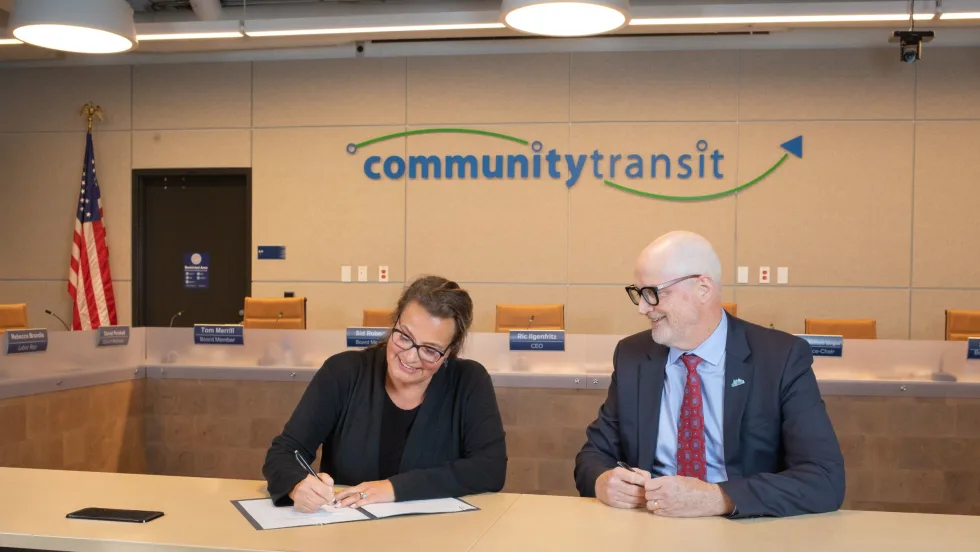
Everett Transit, Community Transit Approve Consolidation of Services
The agreement will bring Everett Transit into Community Transit’s network in April 2027, with plans to increase bus service by 50% by 2031 and expand regional connections.
Read More →
Brian Dickson on Building Stronger, More Resilient Transportation Organizations
Bus Business Consultants Founder Brian Dickson discusses the leadership principles, operational discipline, and strategic planning that separate transportation companies positioned for long-term success from those stuck in survival mode.
Read More →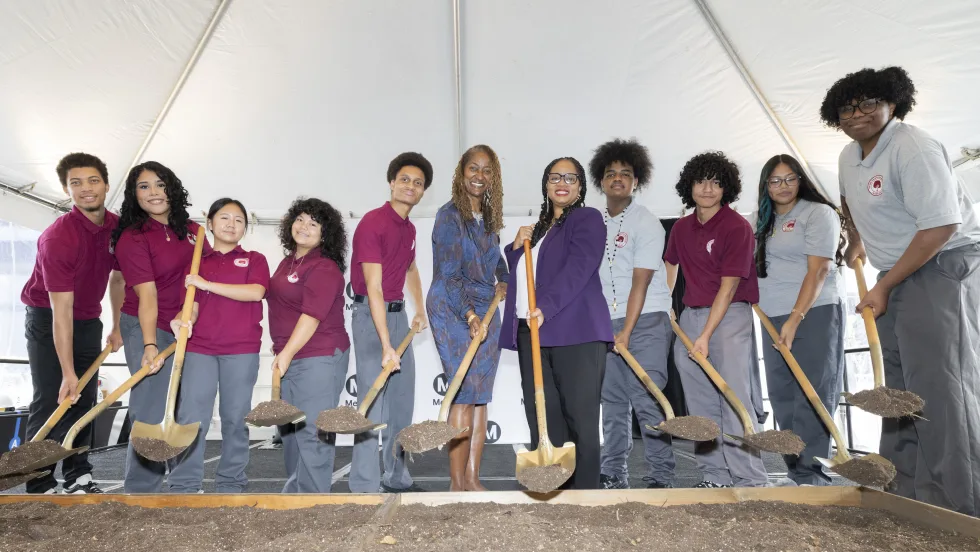
LA Metro Breaks Ground on Vermont BRT Project
The 12.4-mile corridor is projected to serve 66,200 daily riders, reduce travel times by up to 24%, and create the nation's busiest bus rapid transit corridor.
Read More →
Roman Cornell on ABC Companies’ Evolution and the Future of Passenger Transportation
The company’s CEO discusses carrying forward a third-generation family legacy, ABC’s continued evolution in passenger transportation, support for increasingly complex fleets, and how technology and continued investment could help operators improve uptime.
Read More →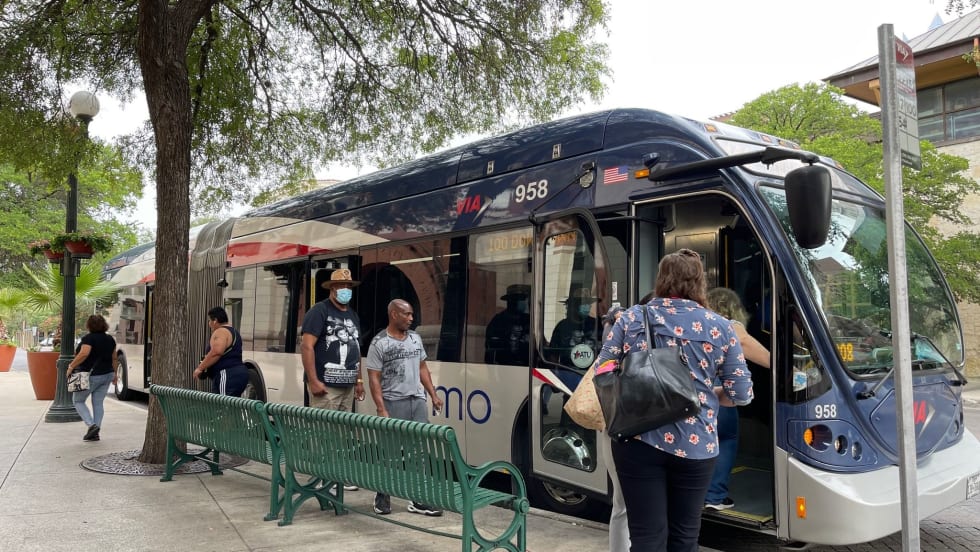
VIA Bus Ridership Grows 10.1% Through August 2026
San Antonio's VIA Metropolitan Transit reported the highest bus ridership growth among major Texas transit systems. Federal Transit Administration data ranked it second among the nation's 50 largest transit systems.
Read More →