




RELATED: Fort Worth 'FLIRTs' with New Train Tech for Airport Link
Metra to open railcar procurement to alternative car designs
Agency received only one response to its initial RFP for new bi-level gallery cars.
July 18, 2018
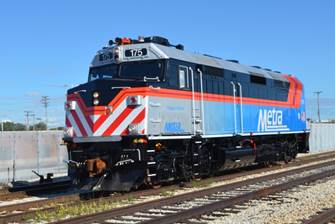
Metra is reissuing its request for proposals (RFP) for new railcars and opening it up to alternative car designs. Photo: Metra
2 min to read
Metra is reissuing its request for proposals (RFP) for new railcars and opening it up to alternative car designs. Photo: Metra
Metra is reissuing its request for proposals (RFP) for new railcars and opening it up to alternative car designs after it received only one response to its initial RFP for new bi-level gallery cars.
Metra plans to reissue the RFP later this year. Instead of requesting proposals only for new gallery cars, such as those now in use on Metra lines with an opening between levels, the new RFP will allow proposals for other designs. Several manufacturers make alternative cars that are used by other commuter railroads in North America and around the world.
Metra’s initial railcar RFP was issued in April 2017. It would have provided for 75 new gallery railcars with an option to purchase additional cars depending on responses to the RFP, the amount of funding available and whether Metra could use financing to maximize funding.
Only one manufacturer, CRRC Sifang America, responded to the RFP. As a result, Metra staff recommended issuing a new RFP open to other designs. Metra hopes the new request will encourage manufacturers of different style cars to compete for Metra’s business and result in the purchase of cars that are the most modern, most comfortable and best value.
“Opening up our request to alternative designs will foster competition between more car builders, which potentially will result in better pricing, a more modern car and a better experience for our customers,” said Metra CEO/Executive Director Jim Derwinski.
One important consideration will be to increase seating capacity. Since yard space and platform length currently limit the number and length of trains that can operate, increasing the seating capacity is a relatively fast and efficient way to meet increased ridership demand within our physical confines.
Some alternative car designs now available have lower, platform-level boarding that could benefit ADA customers and families with strollers when boarding and detraining. Others have different side-loading door configurations that could potentially lessen the time it takes passengers to board and exit the train, which would also speed train trips. Other features that will be considered for incorporation include heated floors and charging outlets.
More Rail

New York MTA Advances Final Contract for Second Avenue Subway Expansion
Contract Four is the largest in the Second Avenue Subway Phase 2 project and includes construction of station infrastructure, tracks, and signals for the subway expansion, MTA officials said. Work on Contract Four will begin in 2027.
Read More →
San Diego MTS Breaks Monthly Trolley Ridership Record
Agency officials said July’s ridership indicates MTS’s continued recovery from the pandemic.
Read More →
Report Examines NJ TRANSIT Reliability, Funding Challenges
The Garden State Initiative analysis examines the roles of Amtrak infrastructure, fleet management, and agency operations while recommending a more performance-based approach to improving reliability.
Read More →
Stadler, CapMetro Sign Long-Term Rail Fleet Support Agreement
Beginning in 2027, Stadler will provide on-site technical expertise, spare parts support, training, and obsolescence management to help extend the reliability and longevity of CapMetro’s GTW fleet.
Read More →
Biz Briefs: Alstom Lands Canadian Contract, LYT to Supply California TSP, and More
In METRO's latest installment, we take a look at recent news from Complete Coach Works, Beep, FlixBus, and more partnerships making headlines across the transportation sector.
Read More →
CATS Gold Line Marks 5 Years of Service, 2.8M Passenger Trips
With a six-mile expansion planned, the Charlotte streetcar is positioned to connect more neighborhoods and major transit hubs across the region.
Read More →
Why Simulating Pedestrian Movement Has Become Essential for Modern Rail Stations
Pedestrian microsimulation is helping rail planners identify bottlenecks, test station designs, and prepare complex transit hubs for growing passenger volumes.
Read More →
Amtrak Begins Major Construction at New York’s Sunnyside Yard
The new maintenance facility will support Amtrak’s Airo trainsets while improving maintenance efficiency and turnaround times in New York.
Read More →
Chicago Leaders Unveil Plans for O’Hare Airport Express Train
The privately developed project would offer a 15-minute trip between downtown and O’Hare’s Terminal 2, with trains operating every 15 minutes on a dedicated track. The service would use battery-electric trains and three existing freight rail rights-of-way.
Read More →
OCTA Maps Out 30-Year Strategy to Protect Coastal Rail Corridor
The draft feasibility report identifies strategies to protect the coastal rail line for decades as the agency continues near-term stabilization and sand placement efforts.
Read More →