



L.A. Metro, railcar manufacturers discuss forging unique partnership
Some ideas discussed include locating a full-scale facility where passenger railcars could be designed, manufactured, and tested.

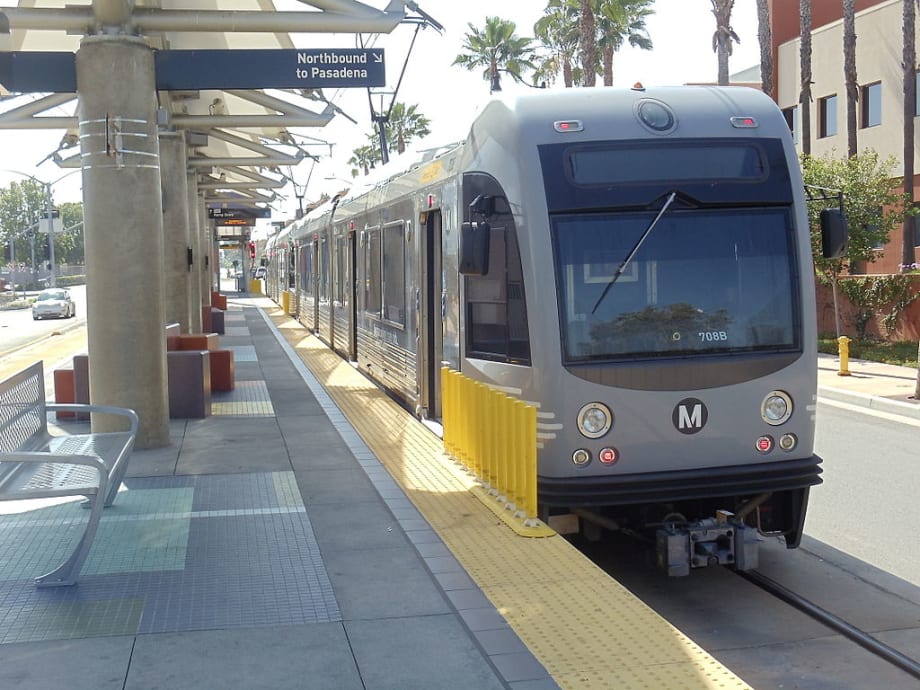
L.A. Metro anticipates needing more than 900 new light rail vehicles and 800-plus subway cars to meet its future needs.
L.A. Metro
L.A. Metro anticipates needing more than 900 new light rail vehicles and 800-plus subway cars to meet its future needs.
L.A. Metro
Los Angeles County Metropolitan Transportation Authority (Metro) CEO Phillip Washington and agency executives held a roundtable with international railcar manufacturers and consultants to discuss how transportation innovation can translate to the presence of a passenger rail manufacturing facility in L.A. County.
Among some of the ideas discussed were locating a full-scale facility where passenger railcars could be designed, manufactured, tested, and refurbished, or establishing a universal facility that would provide testing operations such as test tracks, which are in extremely limited supply in the U.S. The effort would also extend to the manufacturing suppliers around the nation. Metro and the firms also talked about a “mobility innovation park” that could be shared by several companies and perhaps focus on a variety of sectors in the transportation industry.
Metro’s Measure M sales tax measure, which was approved overwhelmingly by county voters in 2016, is funding the construction of 40 major transportation projects over the next 40 years. With the 105-mile Metro Rail network expected to roughly double in size, Metro anticipates needing more than 900 new light rail vehicles and 800-plus subway cars to meet its future needs. Metro is also seeking to operate a fully electric-powered bus fleet by 2030. But the concept would serve not only Metro’s needs, but the entire U.S. market.
“The roundtable today was just the beginning of exploring how we can innovate the presence of passenger rail car manufacturing here in LA County,” said Washington. “We’re excited about the possibilities we heard from our colleagues and I am eager to continue the conversation to see how we can think differently about the role passenger rail manufacturing plays in bringing jobs and better mobility to our region.”
More Rail

New York MTA Advances Final Contract for Second Avenue Subway Expansion
Contract Four is the largest in the Second Avenue Subway Phase 2 project and includes construction of station infrastructure, tracks, and signals for the subway expansion, MTA officials said. Work on Contract Four will begin in 2027.
Read More →
San Diego MTS Breaks Monthly Trolley Ridership Record
Agency officials said July’s ridership indicates MTS’s continued recovery from the pandemic.
Read More →
Report Examines NJ TRANSIT Reliability, Funding Challenges
The Garden State Initiative analysis examines the roles of Amtrak infrastructure, fleet management, and agency operations while recommending a more performance-based approach to improving reliability.
Read More →
Stadler, CapMetro Sign Long-Term Rail Fleet Support Agreement
Beginning in 2027, Stadler will provide on-site technical expertise, spare parts support, training, and obsolescence management to help extend the reliability and longevity of CapMetro’s GTW fleet.
Read More →
Biz Briefs: Alstom Lands Canadian Contract, LYT to Supply California TSP, and More
In METRO's latest installment, we take a look at recent news from Complete Coach Works, Beep, FlixBus, and more partnerships making headlines across the transportation sector.
Read More →
CATS Gold Line Marks 5 Years of Service, 2.8M Passenger Trips
With a six-mile expansion planned, the Charlotte streetcar is positioned to connect more neighborhoods and major transit hubs across the region.
Read More →
Why Simulating Pedestrian Movement Has Become Essential for Modern Rail Stations
Pedestrian microsimulation is helping rail planners identify bottlenecks, test station designs, and prepare complex transit hubs for growing passenger volumes.
Read More →
Amtrak Begins Major Construction at New York’s Sunnyside Yard
The new maintenance facility will support Amtrak’s Airo trainsets while improving maintenance efficiency and turnaround times in New York.
Read More →
Chicago Leaders Unveil Plans for O’Hare Airport Express Train
The privately developed project would offer a 15-minute trip between downtown and O’Hare’s Terminal 2, with trains operating every 15 minutes on a dedicated track. The service would use battery-electric trains and three existing freight rail rights-of-way.
Read More →
OCTA Maps Out 30-Year Strategy to Protect Coastal Rail Corridor
The draft feasibility report identifies strategies to protect the coastal rail line for decades as the agency continues near-term stabilization and sand placement efforts.
Read More →