



Keolis opens first tram network in China
The open section is approximately 8.6 miles, with 20 stations and connects into Shanghai’s existing metro Line 9.

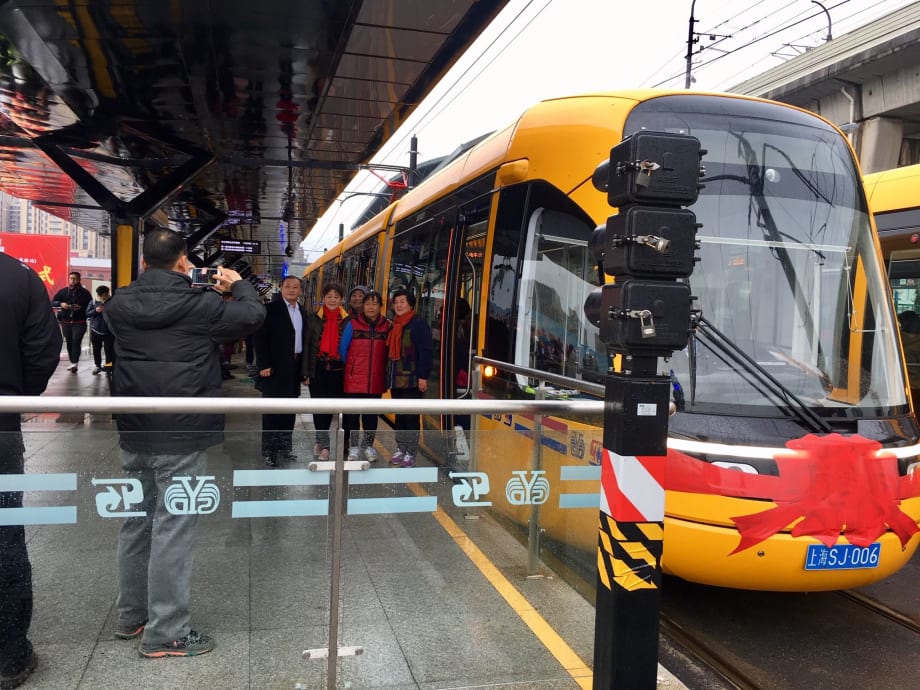
Following the opening of a next section of the network, scheduled in mid-2019, it will then be about 19.2 miles and have 46 stations.
Photos courtesy Keolis
Following the opening of a next section of the network, scheduled in mid-2019, it will then be about 19.2 miles and have 46 stations.
Photos courtesy Keolis
Keolis, through its Chinese joint venture, successfully opened its first section of the Songjiang tram line and welcomed its first passengers. The open section is approximately 8.6 miles, with 20 stations and connects into Shanghai’s existing metro Line 9.
Keolis pioneered the first automated metro line in Shanghai and will soon add to this, with the launch of an automated metro service at Shanghai International Airport.
After being awarded a five-year contract to operate and maintain the Songjiang tram network in August 2018, Shanghai Keolis, the joint-venture between Shanghai Shentong Metro Group and Keolis, undertook the detailed operational preparedness required. This included staff recruitment, formulating rules and regulations, organizational structure, emergency planning, testing of the system, and expertise review.
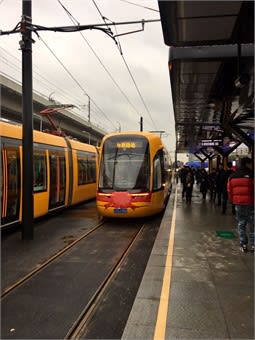
The initial section of the tram line covers the area from Canghua Road station in the west to Zhongchen Road station in the east which serves residential areas and universities.
Songjiang is a suburban district of Shanghai, which counts 1.8 million residents. The initial section of the tram line covers the area from Canghua Road station in the west to Zhongchen Road station in the east which serves residential areas and universities. The tram also connects to Shanghai’s metro line 9, enabling residents in the area to benefit from an integrated shared mobility network, which is efficient and environmentally friendly.
Following the opening of a next section of the network, scheduled in mid-2019, it will then be about 19.2 miles and have 46 stations. In addition, there will be an increase to 30 Citadis trams in total, and with this opening of this section the network is expected to then carry about 170,000 passengers per day.
More Rail

New York MTA Advances Final Contract for Second Avenue Subway Expansion
Contract Four is the largest in the Second Avenue Subway Phase 2 project and includes construction of station infrastructure, tracks, and signals for the subway expansion, MTA officials said. Work on Contract Four will begin in 2027.
Read More →
San Diego MTS Breaks Monthly Trolley Ridership Record
Agency officials said July’s ridership indicates MTS’s continued recovery from the pandemic.
Read More →
Report Examines NJ TRANSIT Reliability, Funding Challenges
The Garden State Initiative analysis examines the roles of Amtrak infrastructure, fleet management, and agency operations while recommending a more performance-based approach to improving reliability.
Read More →
Stadler, CapMetro Sign Long-Term Rail Fleet Support Agreement
Beginning in 2027, Stadler will provide on-site technical expertise, spare parts support, training, and obsolescence management to help extend the reliability and longevity of CapMetro’s GTW fleet.
Read More →
Biz Briefs: Alstom Lands Canadian Contract, LYT to Supply California TSP, and More
In METRO's latest installment, we take a look at recent news from Complete Coach Works, Beep, FlixBus, and more partnerships making headlines across the transportation sector.
Read More →
CATS Gold Line Marks 5 Years of Service, 2.8M Passenger Trips
With a six-mile expansion planned, the Charlotte streetcar is positioned to connect more neighborhoods and major transit hubs across the region.
Read More →
Why Simulating Pedestrian Movement Has Become Essential for Modern Rail Stations
Pedestrian microsimulation is helping rail planners identify bottlenecks, test station designs, and prepare complex transit hubs for growing passenger volumes.
Read More →
Amtrak Begins Major Construction at New York’s Sunnyside Yard
The new maintenance facility will support Amtrak’s Airo trainsets while improving maintenance efficiency and turnaround times in New York.
Read More →
Chicago Leaders Unveil Plans for O’Hare Airport Express Train
The privately developed project would offer a 15-minute trip between downtown and O’Hare’s Terminal 2, with trains operating every 15 minutes on a dedicated track. The service would use battery-electric trains and three existing freight rail rights-of-way.
Read More →
OCTA Maps Out 30-Year Strategy to Protect Coastal Rail Corridor
The draft feasibility report identifies strategies to protect the coastal rail line for decades as the agency continues near-term stabilization and sand placement efforts.
Read More →