




RELATED: Cities release best practices for mobility data management
London Underground to start tracking passengers through Wi-Fi use
Depersonalized data will be used to understand how people navigate the network to provide customers better, more targeted info.
June 19, 2019

Depersonalized Wi-Fi connection data will soon be used to help Transport for London improve the information it provides to its customers on London Underground.
TfL
4 min to read
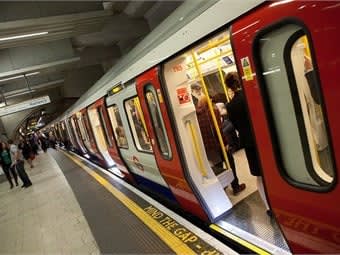
Depersonalized Wi-Fi connection data will soon be used to help Transport for London improve the information it provides to its customers on London Underground.
TfL
Depersonalized Wi-Fi connection data will soon be used to help Transport for London (TfL) improve the information it provides to its customers on London Underground.
The depersonalized data collection, which will begin from 8 July 2019, will look to harness existing Wi-Fi connection data from more than 260 Wi-Fi enabled London Underground stations to understand how people navigate the network. This will then be used by TfL to provide better, more targeted information to its customers as they move around London, helping them better plan their route to avoid congestion and delays. The system, which has been developed in-house by TfL, will automatically depersonalize data, with no browsing or historical data collected from any devices.
Currently, TfL uses data from its ticketing system to understand how journeys are made across the network. While this is accurate for people entering and exiting the stations, this data cannot show the flow of movement through a station. Using depersonalized Wi-Fi data, will give a more accurate, almost real-time, understanding of the flow of people through stations or interchanging between services.
In 2016, TfL held a four-week long pilot to test Wi-Fi data collection technology across 54 stations within four zones. When a device has Wi-Fi enabled, it will continually search for a Wi-Fi network by sending out a unique identifier — known as a Media Access Control address — to nearby routers as customers pass through stations. This trial collected these Wi-Fi connection requests, which were automatically depersonalized, and were then analyzed by TfL's in-house analytics team to help understand where customers were at particular points of their journeys.
More than 509 million depersonalized pieces of data, were collected from 5.6 million mobile devices making around 42 million journeys which revealed a number of results to TfL that could not have been detected from ticketing data or paper-based surveys. For example, analysis showed that customers travelling between King's Cross St Pancras and Waterloo take at least 18 different routes, with around 40% of customers not taking one of the two most popular routes.
Since the pilot, TfL has been working to understand how this data could be usefully used to provide customers with new, more tailored information about their journeys — both before they begin and while they are travelling. TfL also worked closely with key stakeholders and the Information Commissioner's Office to ensure privacy concerns and transparency were actively considered and addressed. Detailed digital mapping of all London Underground stations has also been undertaken to allow TfL to identify where Wi-Fi routers are located and to allow TfL to understand in detail how people move across the network and through stations.
Later this year, customers and TfL staff will begin to see the first benefits from this data, which could include:
Providing crowding data via the TfL website to help customers better plan their route across London;
Incorporating crowding data into TfL's free open-data API, which could allow app developers, academics and businesses to further utilise the data for new products and services;
Early warning via the TfL website and social media channels about congestion at ticket halls or platforms, which will allow customers to alter their route;
Helping TfL station staff have the latest information to hand when they are giving customers assistance (particularly those with small children or with accessibility needs) as well as advising them about travel conditions on other parts of the network.
As well as providing benefits to customers and staff, the data will also allow TfL to better understand customer flows throughout stations, highlighting the effectiveness and accountability of its advertising estate based on actual customer volumes. Being able to reliably demonstrate this should improve commercial revenue, which can then be reinvested back into the transport network.
Clear signage, based on TfL's signs on CCTV across the network, will shortly be installed across the London Underground network, ahead of the start of data collection, to inform customers and direct them to a web page with more information, including how data collected through this technology will be automatically depersonalized and securely stored. Following the start of collection on 8 July 2019, any customers who do not wish for their Wi-Fi connection data to be collected will need to turn Wi-Fi off on their devices in order to opt out.
More Rail

New York MTA Advances Final Contract for Second Avenue Subway Expansion
Contract Four is the largest in the Second Avenue Subway Phase 2 project and includes construction of station infrastructure, tracks, and signals for the subway expansion, MTA officials said. Work on Contract Four will begin in 2027.
Read More →
San Diego MTS Breaks Monthly Trolley Ridership Record
Agency officials said July’s ridership indicates MTS’s continued recovery from the pandemic.
Read More →
Report Examines NJ TRANSIT Reliability, Funding Challenges
The Garden State Initiative analysis examines the roles of Amtrak infrastructure, fleet management, and agency operations while recommending a more performance-based approach to improving reliability.
Read More →
Stadler, CapMetro Sign Long-Term Rail Fleet Support Agreement
Beginning in 2027, Stadler will provide on-site technical expertise, spare parts support, training, and obsolescence management to help extend the reliability and longevity of CapMetro’s GTW fleet.
Read More →
Biz Briefs: Alstom Lands Canadian Contract, LYT to Supply California TSP, and More
In METRO's latest installment, we take a look at recent news from Complete Coach Works, Beep, FlixBus, and more partnerships making headlines across the transportation sector.
Read More →
CATS Gold Line Marks 5 Years of Service, 2.8M Passenger Trips
With a six-mile expansion planned, the Charlotte streetcar is positioned to connect more neighborhoods and major transit hubs across the region.
Read More →
Why Simulating Pedestrian Movement Has Become Essential for Modern Rail Stations
Pedestrian microsimulation is helping rail planners identify bottlenecks, test station designs, and prepare complex transit hubs for growing passenger volumes.
Read More →
Amtrak Begins Major Construction at New York’s Sunnyside Yard
The new maintenance facility will support Amtrak’s Airo trainsets while improving maintenance efficiency and turnaround times in New York.
Read More →
Chicago Leaders Unveil Plans for O’Hare Airport Express Train
The privately developed project would offer a 15-minute trip between downtown and O’Hare’s Terminal 2, with trains operating every 15 minutes on a dedicated track. The service would use battery-electric trains and three existing freight rail rights-of-way.
Read More →
OCTA Maps Out 30-Year Strategy to Protect Coastal Rail Corridor
The draft feasibility report identifies strategies to protect the coastal rail line for decades as the agency continues near-term stabilization and sand placement efforts.
Read More →