



MBTA to add 80 bi-level coaches for commuter rail
Will replace single-level coaches, address an immediate need for vehicles, and provide a more efficient way to add capacity.



The MBTA’s Fiscal and Management Control Board awarded a $278.5 million contract to Hyundai-Rotem for the procurement of 80 new commuter rail bi-level coaches, which will increase capacity by over 14,000 seats daily. A $41 million contract for engineering and program management services for the project was also awarded to WSP USA Inc., in close cooperation with Keville Enterprises Inc. and VP Engineering Inc.
Funded by the Commonwealth, the procurement will replace single-level coaches, address an immediate need for vehicles, and provide a more efficient way to add capacity. The bi-levels also include upgrades and improvements like LED lighting and the integration of positive train control; are compatible with the current fleet and infrastructure; and include an ease of maintenance. As these bi-levels are a reproduction of the current bi-level fleet, additional benefits include a workforce familiarity with the design; minimal operating and maintenance training required; guaranteed compatibility with the existing fleet; and minimal design impacts.
The total cost of this vehicle procurement is $278.5 million with a total project budget, which includes professional services, force account, project administration, and more, of $345 million. The Notice to Proceed for the sole-source procurement of 80 coaches will be issued in October 2019 with the first of 80 anticipated to be delivered in September 2022 and the last anticipated in June 2024.
In addition to the 80 coaches, the release of an RFP for additional bi-level coaches is anticipated for November 2019 with an award of procurement of up to 100 coaches, plus options, anticipated for November 2020. The first of those 100 coaches is anticipated to be delivered in July 2024 and the last in June 2027.
More Rail
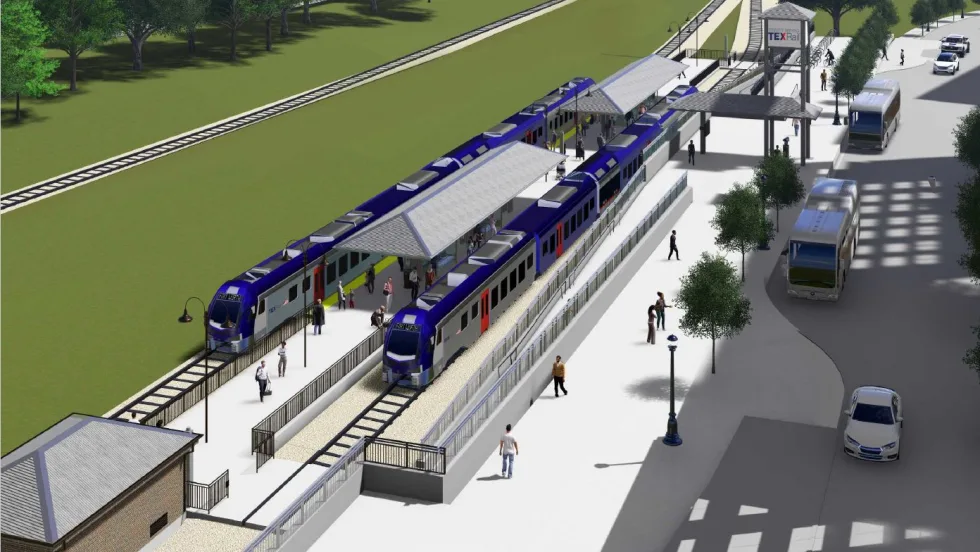
Trinity Metro Breaks Ground on $270M TEXRail Extension
The 2.1-mile extension will connect Fort Worth’s Medical District and Near Southside to downtown, surrounding communities, and Dallas-Fort Worth International Airport.
Read More →
Bringing Austin’s First Light Rail System to Life
Austin Transit Partnership CEO Greg Canally discusses the city's nearly 10-mile light rail project, its collaborative approach to project delivery, the importance of community engagement, and the milestones ahead as construction approaches in 2027.
Read More →
Metra Draft Plan Outlines Costs, Service Improvements for Regional Rail
The Systemwide Network Plan identifies infrastructure needs and potential investments to expand all-day, bidirectional rail service across the Chicago region.
Read More →
Amtrak Completes First Street Tunnel Upgrades, Restores Service
The nine-day construction project included replacing aging track infrastructure and modernizing switch systems near Washington Union Station.
Read More →
FRA Announces $2.3B for Passenger, Freight Rail Projects Nationwide
The CRISI Grant Program funding will support rail infrastructure improvements, safety upgrades, and projects aimed at improving freight and passenger rail service across 45 states and Washington, D.C.
Read More →
Caltrain’s Electrification Drives a New Era of Ridership Growth
The railroad’s shift to electric service has brought more frequent trains, stronger customer satisfaction, and increased ridership, earning it APTA’s Outstanding Public Transportation System award.
Read More →
FTA Advances $164M Broward County Commuter Rail Project
The proposed 10.5-mile commuter rail extension would connect Fort Lauderdale and Aventura, expanding passenger rail options in South Florida.
Read More →
New York MTA Launches Historic $1.9B Signal, Track Modernization Project
Funded in part by congestion pricing revenue, the project will replace nearly century-old signals along the A and C lines in Brooklyn and Queens.
Read More →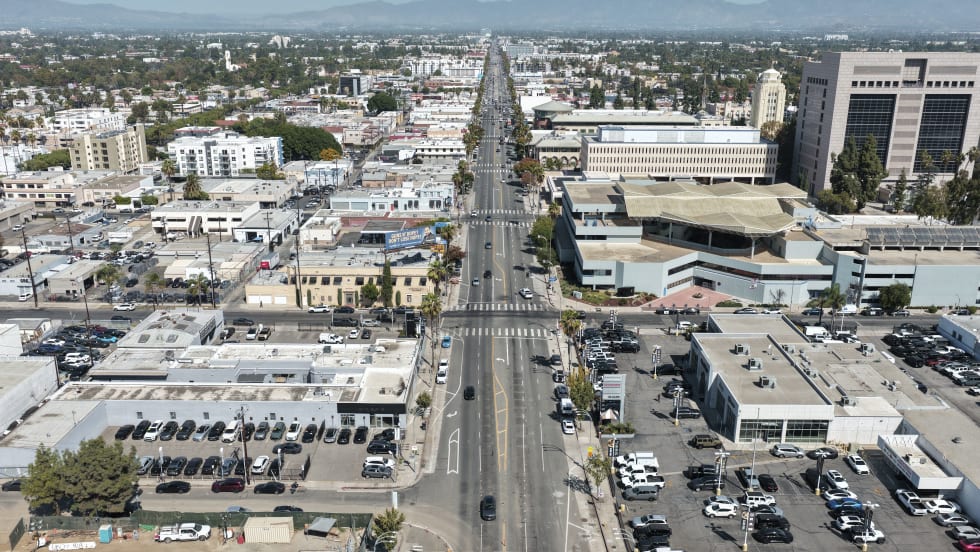
LA Metro Breaks Ground on East San Fernando Valley Light Rail Project
The 6.7-mile line will add 11 stations along Van Nuys Boulevard, expand access to jobs and regional transit connections, and support Metro’s broader efforts to improve mobility as rail ridership grows.
Read More →
CSA Group Releases Climate Resilience Standard for Transit, Passenger Rail
Developed with support from the Standards Council of Canada, CSA D700 guides assessing climate-related risks and planning adaptation measures for transit and passenger rail systems.
Read More →