



BART, The Salvation Army team up to help homeless
Funds to be used for supportive housing, substance abuse treatment, case management, blankets, socks, and other services.

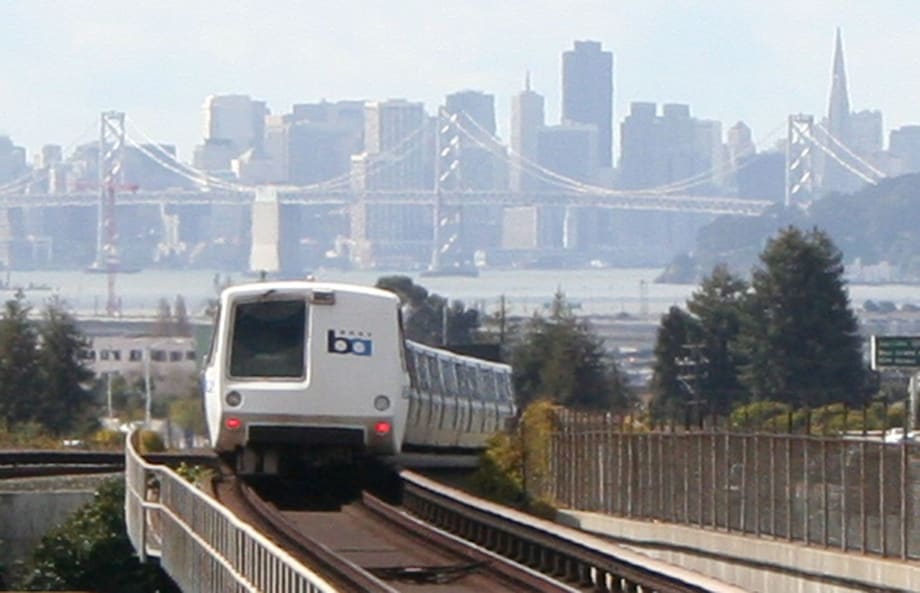
A first of its kind partnership with The Salvation Army will provide donated funds and paper BART tickets from riders to help pay for supportive services for those who seek shelter inside BART stations and on-board trains.
BART
A first of its kind partnership with The Salvation Army will provide donated funds and paper BART tickets from riders to help pay for supportive services for those who seek shelter inside BART stations and on-board trains.
BART
BART is teaming up with The Salvation Army during its seasonal Red Kettle Campaign with a new “Partners for Change” initiative inside BART stations systemwide. The first of its kind partnership will provide donated funds and paper BART tickets from BART riders to help pay for supportive services for those who seek shelter inside BART stations and on-board trains.
The partnership, which launched December 3, coincides with the Army’s kettle campaign timeframe, which runs from November 22 through December 24.
“Homelessness has become a humanitarian crisis, and nowhere else is the situation as poignant as it is in San Francisco," said Major Darren Norton, Divisional Commander for The Salvation Army’s Golden State Division, based in San Francisco.
How it Works
The Salvation Army will position their iconic Red Kettles in the free area of BART stations during the holiday season and collect donations from BART riders. BART will post signs inside stations near the vending machines that give change to encourage riders to donate to help the unhoused who seek shelter at BART. Riders can also donate their paper BART tickets with remaining fare, which will be refunded for cash value. BART has been phasing out paper tickets in favor of Clipper cards.
All donated funds will be used locally. For example, donations collected in San Francisco will go towards services and resources in San Francisco, while donations collected in the East Bay will stay in the East Bay.
The Salvation Army will then work together with BART’s Crisis Intervention Coordinator and homeless outreach teams on distribution of funds for supportive housing, substance abuse treatment, case management, blankets, socks, care packages and other services for unhoused individuals spending their time at BART.
To donate online, The Salvation Army has set up BARTRedKettles.org. Donations will be tracked to determine how much money is raised in the BART system and at each station. BART and The Salvation Army are seeking corporate matches as part of the campaign.
For every dollar donated to The Salvation Army, 82 cents is used to support those services in facilities throughout the Bay Area. For more information go to www.sanfrancisco.salvationarmy.org or www.gosalarmy.org.
More Rail

New York MTA Advances Final Contract for Second Avenue Subway Expansion
Contract Four is the largest in the Second Avenue Subway Phase 2 project and includes construction of station infrastructure, tracks, and signals for the subway expansion, MTA officials said. Work on Contract Four will begin in 2027.
Read More →
San Diego MTS Breaks Monthly Trolley Ridership Record
Agency officials said July’s ridership indicates MTS’s continued recovery from the pandemic.
Read More →
Report Examines NJ TRANSIT Reliability, Funding Challenges
The Garden State Initiative analysis examines the roles of Amtrak infrastructure, fleet management, and agency operations while recommending a more performance-based approach to improving reliability.
Read More →
Stadler, CapMetro Sign Long-Term Rail Fleet Support Agreement
Beginning in 2027, Stadler will provide on-site technical expertise, spare parts support, training, and obsolescence management to help extend the reliability and longevity of CapMetro’s GTW fleet.
Read More →
Biz Briefs: Alstom Lands Canadian Contract, LYT to Supply California TSP, and More
In METRO's latest installment, we take a look at recent news from Complete Coach Works, Beep, FlixBus, and more partnerships making headlines across the transportation sector.
Read More →
CATS Gold Line Marks 5 Years of Service, 2.8M Passenger Trips
With a six-mile expansion planned, the Charlotte streetcar is positioned to connect more neighborhoods and major transit hubs across the region.
Read More →
Why Simulating Pedestrian Movement Has Become Essential for Modern Rail Stations
Pedestrian microsimulation is helping rail planners identify bottlenecks, test station designs, and prepare complex transit hubs for growing passenger volumes.
Read More →
Amtrak Begins Major Construction at New York’s Sunnyside Yard
The new maintenance facility will support Amtrak’s Airo trainsets while improving maintenance efficiency and turnaround times in New York.
Read More →
Chicago Leaders Unveil Plans for O’Hare Airport Express Train
The privately developed project would offer a 15-minute trip between downtown and O’Hare’s Terminal 2, with trains operating every 15 minutes on a dedicated track. The service would use battery-electric trains and three existing freight rail rights-of-way.
Read More →
OCTA Maps Out 30-Year Strategy to Protect Coastal Rail Corridor
The draft feasibility report identifies strategies to protect the coastal rail line for decades as the agency continues near-term stabilization and sand placement efforts.
Read More →