
“This is a hugely important milestone for a project that has long been on the books, a project that represents that largest expansion of Metro-North Railroad since it was created 37 years ago."
Catherine Rinaldi, President, MTA Metro-North Railroad


 MENU
MENU SEARCH
The project will bring rail service into Penn Station by 2023 and create four new ADA- accessible stations in the east Bronx.
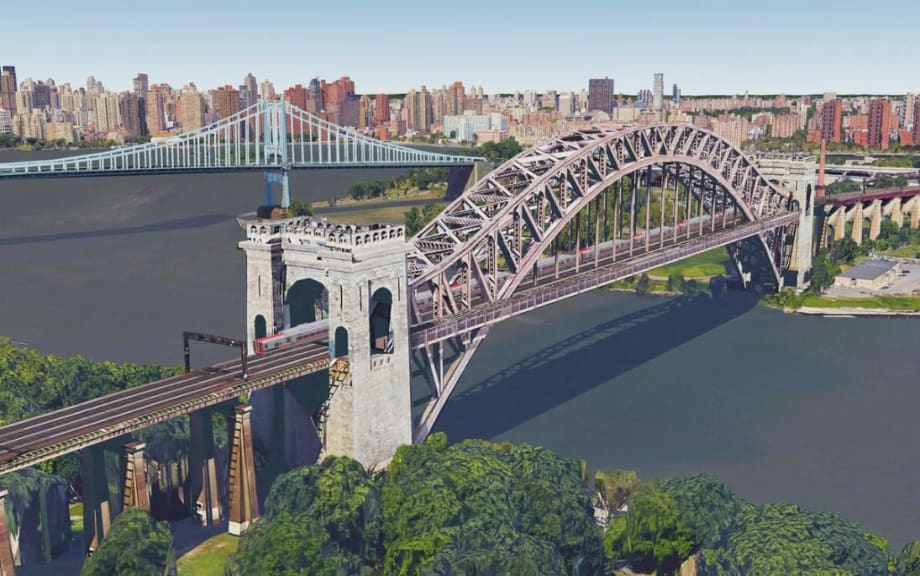
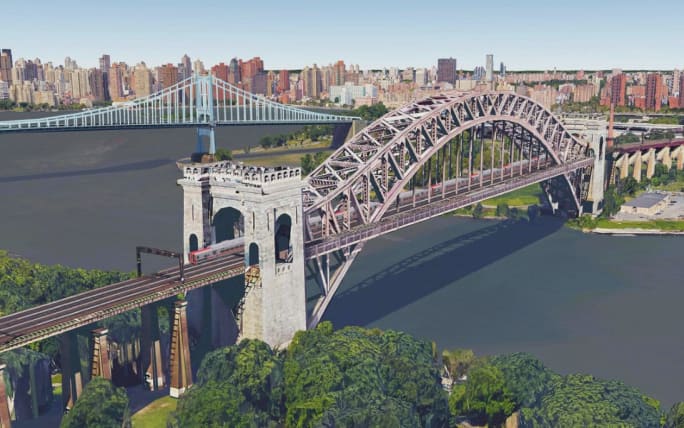
MTA/NYC Department of City Planning
The New York Metropolitan Transportation Authority (MTA) today announced the list of construction firms deemed qualified to submit proposals to design and build the MTA’s Metro-North Penn Access Project. The project will bring Metro-North Railroad service into Penn Station by 2023 and create four new ADA- accessible stations in the east Bronx.
Penn Station Access is expected to draw new riders to public transit and generate major time savings for existing Metro-North customers. The MTA anticipates up to 50,000 customer trips will be made per day on the new route, including up to 20,000 that start or end at the four new stations in the Bronx.
Customers who travel between the east Bronx and Penn Station can save up to 45 minutes of travel time over current alternatives.
Customers who travel between the east Bronx and New Haven Line stations can save up to 80 minutes of travel time over current alternatives.
Metro-North customers who travel between existing New Haven Line stations and Penn Station (who now connect to subways to complete this trip) are projected to save 16 minutes each way.
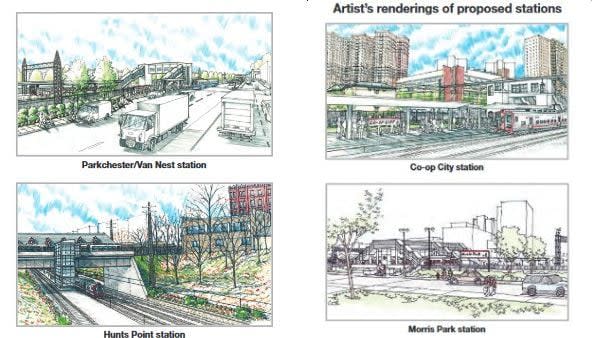
MTA’s Metro-North Penn Access Project will create four new ADA- accessible stations in the east Bronx. MTA
The project is using the “design-build” process in which a single firm or consortium is responsible for both the design and construction of a project.
This process puts competitive pressure on bidders to harness innovation to identify faster ways to complete projects, and mitigate the impacts of construction, with the final contract imposing financial penalties for failure to adhere to a strict project timetable.
This process incentivizes faster construction, places the risk for cost overruns on the contractor, and rewards contractors for reducing impacts on local communities and commuters.
Design-build has been used successfully in projects such as the new Mario M. Cuomo Bridge and the LIRR Expansion Project.
The qualified design-build entities will be invited to enter a competitive solicitation process in which a request-for-proposals will highlight the project’s emphasis on meeting project milestone dates and minimizing local community impacts of construction, among other priorities. No contract will be awarded until after the environmental review process is concluded, a formal “Finding of No Significant Impact” is issued by the Federal Transit Administration (FTA), and the contract is approved by the MTA Board. Contractors will be expected to include in their bids specific efforts to reduce the impacts of construction:
The qualified consortia announced today include:
Halmar International, LLC/Railworks, JV (Ove Arup & Partners PC, Lead Designer)
Skanska ECCO III Penn Station Connectors, JV (AECOM USA Inc., Lead Designer)
Tutor Perini/O&G, JV (Parsons Transportation Group of New York Inc., Lead Designer)
An informational open house was held in October 2019 for potential applicants, including minority and women-owned businesses, to educate them about the project. The bidders above were evaluated and selected by a team of expert reviewers consisting of personnel from the Metropolitan Transportation Authority, LIRR, Metro-North and Amtrak. Experts in procurement, engineering, construction, environmental analysis, law, finance and community outreach analyzed each bidder’s statements of qualifications according to criteria including:
Experience in projects of this scale
Past performance with a record of quality and completion of projects on time and within budget
Qualified personnel who have successfully managed all aspects of similar projects
Commitment and ability to minimize construction impacts
Financial strength and capability
Diversity practices

Contract Four is the largest in the Second Avenue Subway Phase 2 project and includes construction of station infrastructure, tracks, and signals for the subway expansion, MTA officials said. Work on Contract Four will begin in 2027.
Read More →
Agency officials said July’s ridership indicates MTS’s continued recovery from the pandemic.
Read More →
The Garden State Initiative analysis examines the roles of Amtrak infrastructure, fleet management, and agency operations while recommending a more performance-based approach to improving reliability.
Read More →
Beginning in 2027, Stadler will provide on-site technical expertise, spare parts support, training, and obsolescence management to help extend the reliability and longevity of CapMetro’s GTW fleet.
Read More →
In METRO's latest installment, we take a look at recent news from Complete Coach Works, Beep, FlixBus, and more partnerships making headlines across the transportation sector.
Read More →
With a six-mile expansion planned, the Charlotte streetcar is positioned to connect more neighborhoods and major transit hubs across the region.
Read More →
Pedestrian microsimulation is helping rail planners identify bottlenecks, test station designs, and prepare complex transit hubs for growing passenger volumes.
Read More →
The new maintenance facility will support Amtrak’s Airo trainsets while improving maintenance efficiency and turnaround times in New York.
Read More →
The privately developed project would offer a 15-minute trip between downtown and O’Hare’s Terminal 2, with trains operating every 15 minutes on a dedicated track. The service would use battery-electric trains and three existing freight rail rights-of-way.
Read More →
The draft feasibility report identifies strategies to protect the coastal rail line for decades as the agency continues near-term stabilization and sand placement efforts.
Read More →