
Metro Magazine

 MENU
MENU SEARCHMENUSEARCH
Loading data...

The 90-day demonstration will deploy coordinated security teams at five light rail stations while testing controlled access and gathering data to guide future investments.
Read More →



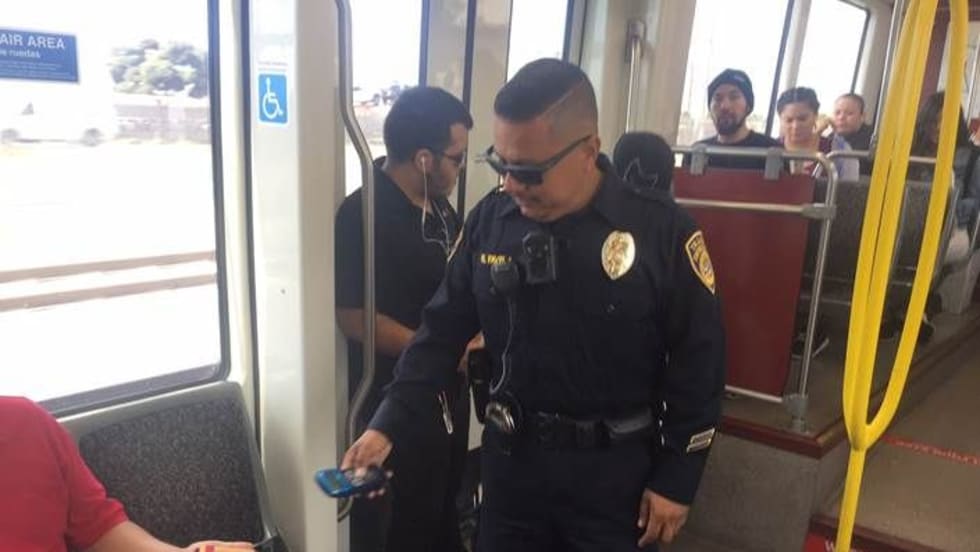
A crackdown on fare evasion, combined with education efforts, is driving more Metro Vancouver riders to pay full fare—generating $3.2 million in additional revenue in just six months.
Read More →Due to its effectiveness in limiting unauthorized use, TAP-to-Exit is a common fare compliance practice around the world and in major transit systems across the nation.
Read More →The TTC’s campaign comes as a new internal audit report shows fare evasion at an all-time high.
Read More →Security initiatives the agency is taking include increasing the number of officers, as well as improving visibility and response times.
Read More →The MTA seeks to replace its legacy fare arrays and strategically deploy next generation fare gates that better align with the authority’s goals of promoting fare compliance, preventing fare evasion, and more.
Read More →Beginning Nov. 15, Seattle’s Sound Transit Fare Ambassadors will issue violations to passengers found to be riding repeatedly without proof of payment.
Read More →Since 2017, the agency uses Metro transit security, private security and in-house fare compliance officers to better protect the system.
Read More →The new plan increases the number of MTS Code Compliance Inspectors from 34 to 64 employees.
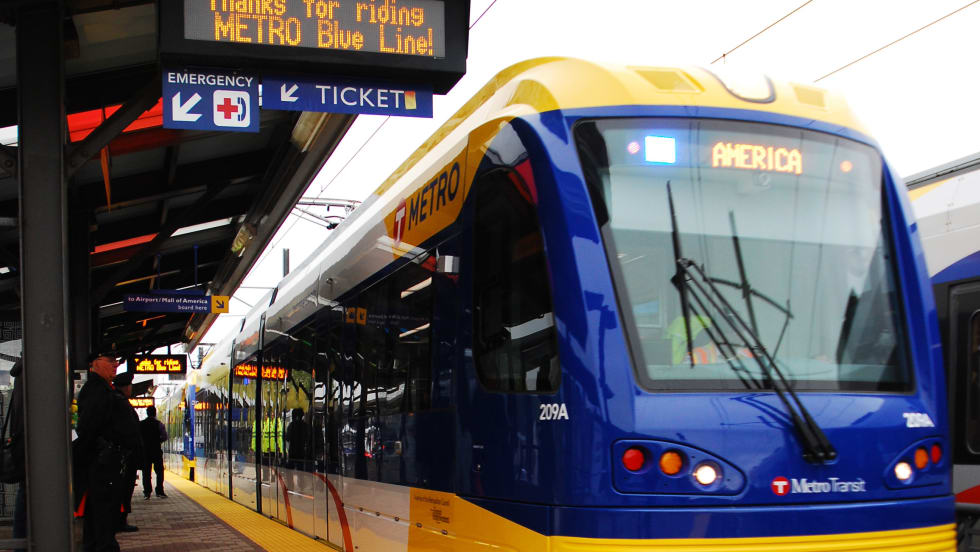
Read More →While an audit found that one of every 10 light rail passengers may not be paying fares, Metro Transit reports 94% compliance on its Green Line and 97% compliance on its Blue Line. Moving away from an honor system and installing turnstiles could cost the agency $107 million, according to the report.
Read More →