
Metro Magazine

 MENU
 SEARCHMENUSEARCH
Loading data...

Using the methodology developed by APTA, in cooperation with the MTA and other U.S. transit agencies, consulting firms, nonprofits and academics, the MTA enables New Yorkers to avoid emitting 8.24 units of carbon for every unit the MTA emits through its operations.
Read More →


The purchase of $8.6 million in snow-fighting equipment by the agency, includes 10 snow fighters, six speed swings, six wheel loaders and 25 tractors.
Read More →Clean the grid, electrify transportation, reduce miles-traveled, and ensure access for all.
Read More →At a time when it seemed we were finally emerging from COVID-19 having such a hold over us, other events emerged that cast a cloud over both the domestic and global landscape.
Read More →The rapid transit systems of Seoul and Beijing, the two largest cities in the survey, served the most people by far. Almost 11 million people live within 1 km (.62 miles) of each system.
Read More →The plan identifies short- and long-term steps PRT can take to reduce its reliance on fossil fuels, production of greenhouse gases, and the negative environmental impacts they create.
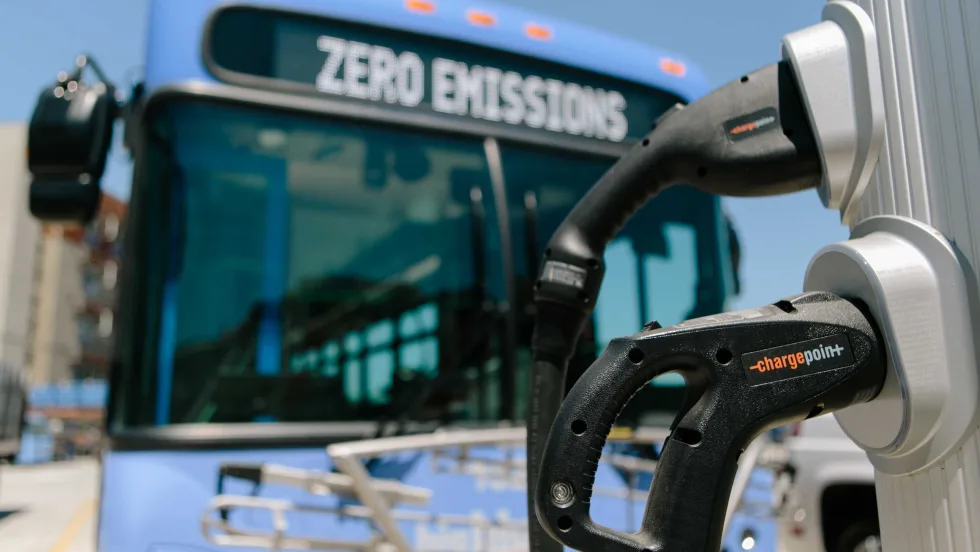
Read More →MTD operates the second-largest active electric bus fleet in California with 14 fully battery-electric buses out of a total fleet of 112.
Read More →Transportation is now the biggest source of global warming pollution in the Northeast and Mid-Atlantic, according to study.
Read More →Cited for efforts to increase energy efficiency across campus; provide alternative transportation options such as shuttle service and a bike loan program to reduce the number of cars on campus; and require all new construction and major renovations to seek LEED certification.
Read More →Initiatives taken on by the Albany, N.Y.-based Capital District Transportation Authority include a system rebranding, biodiesel program and construction of a bus rapid transit project.
Read More →