




More from David Scorey: Making Transit America's First Choice
Reflections On The Past Year In Transit, and Predictions for 2023
At a time when it seemed we were finally emerging from COVID-19 having such a hold over us, other events emerged that cast a cloud over both the domestic and global landscape.
January 4, 2023
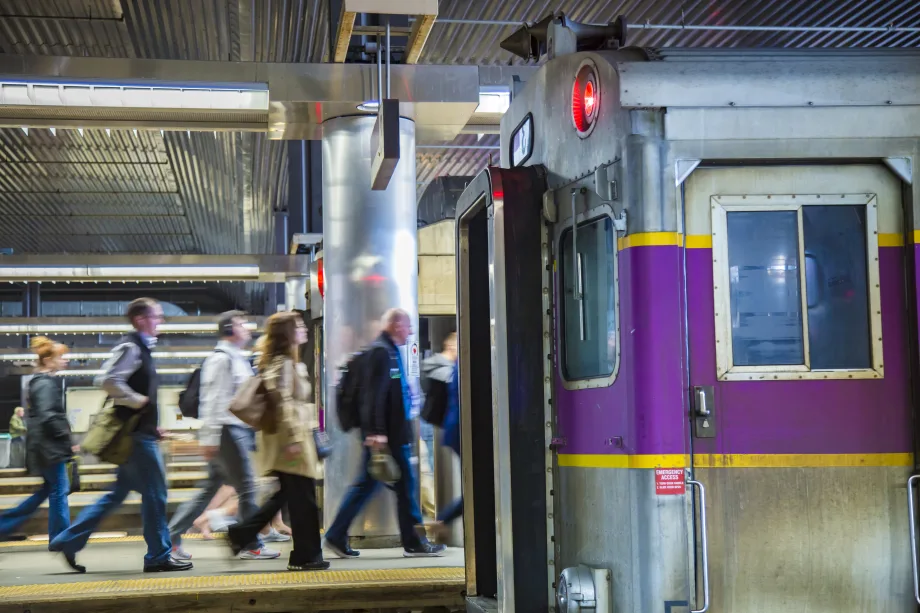
Ridership growth, a healthy and vibrant workforce, and greener options will all mark the coming year for public transit systems.
Credit:
Keolis
4 min to read
This year is a year that will always be remembered, but one that I think many would wish to forget. At a time when it seemed we were finally emerging from COVID-19 having such a hold over us, other events emerged that cast a cloud over both the domestic and global landscape. But this piece is focused on public transit — and here there’s a lot to be positive about as we reflect on 2022 and look ahead to 2023.
Following the uncertainties of the previous couple of years on whether riders would return to public transit, 2022 showed us sustained evidence of growing ridership. Keolis’ operations across North America have all experienced this growth, sometimes helped by adapting service to better meet new demands. At Keolis, we expect this to be a key industry trend in 2023: continued progress in reclaiming ridership, even though the traditional ridership pattern is not likely to return anywhere in the foreseeable future.
Another notable development in 2022 has been the emergence of strong plans for transitioning networks to renewable energy, with money from the landmark Infrastructure Investment and Jobs Act (aka “bipartisan infrastructure law”) being awarded to agencies big and small for transformative projects. Decarbonizing transit and reinvestment in systems will define transit in 2023, which will help to further accelerate the growth of ridership. Below is our forecast for the transit landscape in the coming year.
Ridership
2022 marked a significant time of transition for public transportation: from the uncertainty of COVID-19 impacts and what the “new normal” would look like, to a growing recognition among the mainstream of the vital role transit plays in the health of our communities.
On ridership, many networks are now at 50% or higher than their pre-pandemic baselines. Many networks where Keolis operates have adjusted their travel patterns to better meet the needs of more flexible commuters, shift workers, and other passengers. After all, non-commuters make up the plurality of all trips taken on any mode of transport. Many commuter rail and bus networks are now offering much more robust weekend service, or even introducing Saturday and Sunday options for the first time. We believe there has been latent demand for such options and are glad to see them grow across North America. Notwithstanding significant market disruptions, we can expect these trends in ridership and service delivery to continue.
Labor
Vital to keeping these new service options running are our employees. This has been a major focus for us in 2022, with advances in recruitment and retention policies, adjustments to labor rates to reflect market conditions and a focus on empathetic leadership. At Keolis, we hired more than 1,400 employees across our various contracts in 2022 and will continue to work hard on this through 2023. In 2023 I hope and expect to see some stabilization in the labor market, albeit I’m sure won’t return to pre-Covid levels just yet.
While there’s more work to do, we can expect public transit agencies and private operators across the U.S. and Canada to continue making progress on staffing up as they further professionalize their workforces — making work in transit a career, not just a job. This begins with frontline employees and is a virtuous cycle that will help systems deliver more service to more passengers. Getting this right means expanded and more equitable access to transit services, as well as more cars off the roadways — a key element to reducing our greenhouse gas emissions.
Ditching Fossil Fuels
Decarbonization of transit is one of the strongest trends that we expect to continue in 2023. Just this month, new zero-emission hydrogen fuel cell buses hit the roads in L.A. County with more on the way in 2023. Along with battery-electric buses and diesel-hybrids, communities where these buses operate can breathe a little easier with reduced emissions.
Globally, Keolis operates more than 6,000 buses with alternative fuels and has set an ambitious goal of operating a global fleet run by renewables of between 45% and 65% by 2030. We’re working on the cutting edge of making transit the most sustainable option possible and don’t see any signs of this trend slowing down in the new year.
Hopes for the New Year
Ridership growth, a healthy and vibrant workforce, and greener options will all mark the coming year for public transit systems. But there are headwinds to be mindful of. Geopolitical events, like Russia’s war in Ukraine, are shocking and have had significant downstream economic and political impacts. I share the view of many that a peaceful resolution cannot come soon enough.
With certain stressors out of our control, it’s sometimes helpful to focus on the challenges we do have control over. One of those is climate change. The summer of 2022 tied with 2020 for the warmest on record and the impact on people and wildlife has been dramatic. Thankfully, transportation is a key piece of the formula for protecting the environment and stopping climate change. It’s imperative for all of us to protect the environment, and utilizing transit is one of the most impactful things we can do. In 2023, we can expect public transportation networks to continue to make significant progress toward making their offerings a more attractive option than driving, and I’m proud that Keolis is leading this effort with our people and our partners.
Subscribe to Our Newsletter
More Blog Posts
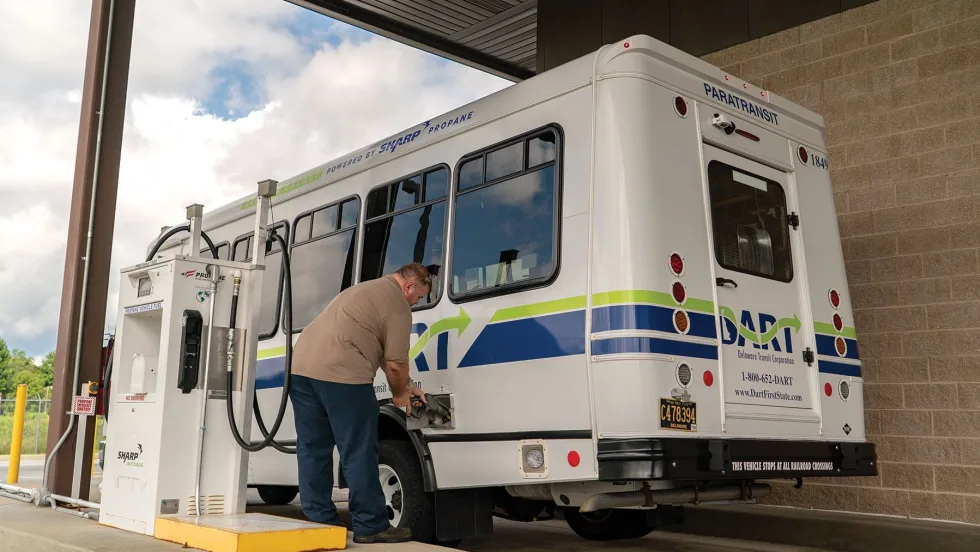
Building a Winning FTA Grant Proposal: Why Propane Autogas is the Pragmatic Choice for Fleet Resilience
With $610 million available through the FY 2026 Buses and Bus Facilities Competitive Program and the Low or No Emission Grant Program, agencies must build a compelling case before the September 21 deadline that balances environmental compliance with operational feasibility.
Read More →
Velo-city Conference 2026: Latest Trends in Cycling as Part of Urban Mobility
The global cycling conference highlighted how cities are integrating bicycles into multimodal transportation networks, expanding cycle tourism and reshaping urban mobility.
Read More →
Kindness Isn’t Soft...It’s Strategic.
Mike Bismeyer — often known as “The Kindness Guy” — has spent more than 17 years in public transit and mobility, serving in industry leadership roles, speaking across North America, and advocating for stronger workplace cultures. But his message doesn’t come from theory. It comes from lived experience.
Read More →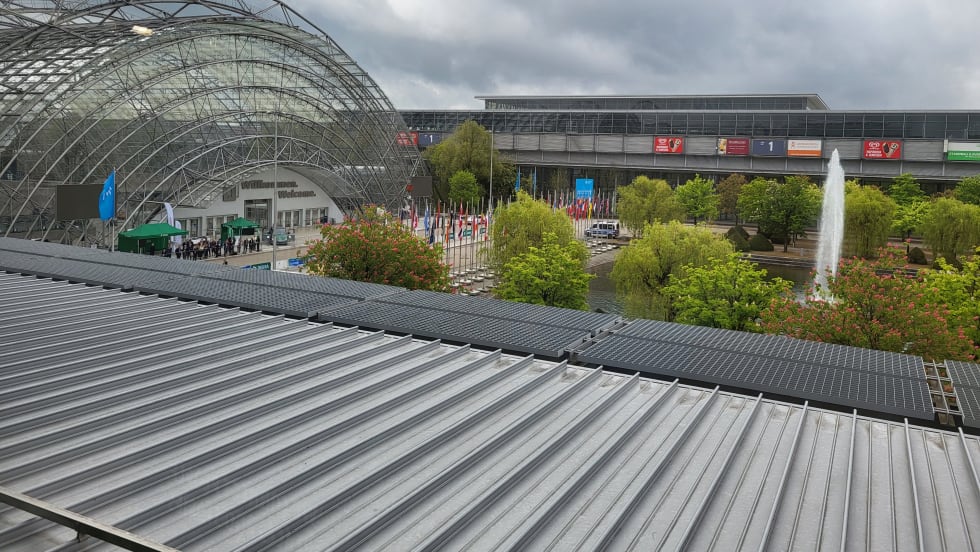
Inside ITF 2026: Transport Reacts to A Challenging World
Transport leaders from around the world gathered in Leipzig, Germany, for the 2026 International Transport Forum to discuss resilience, climate impacts, supply chains and the future of sustainable mobility.
Read More →
Every Ride Tells a Story — But You’re Not Just Selling the Ride
You’re selling the moment, the meaning, and the emotion behind it.
Read More →
How Digital Signage is Reshaping the Traveler Experience at Transportation Hubs
What was once a landscape of static signs has evolved into a responsive, immersive environment powered by real-time visual communication.
Read More →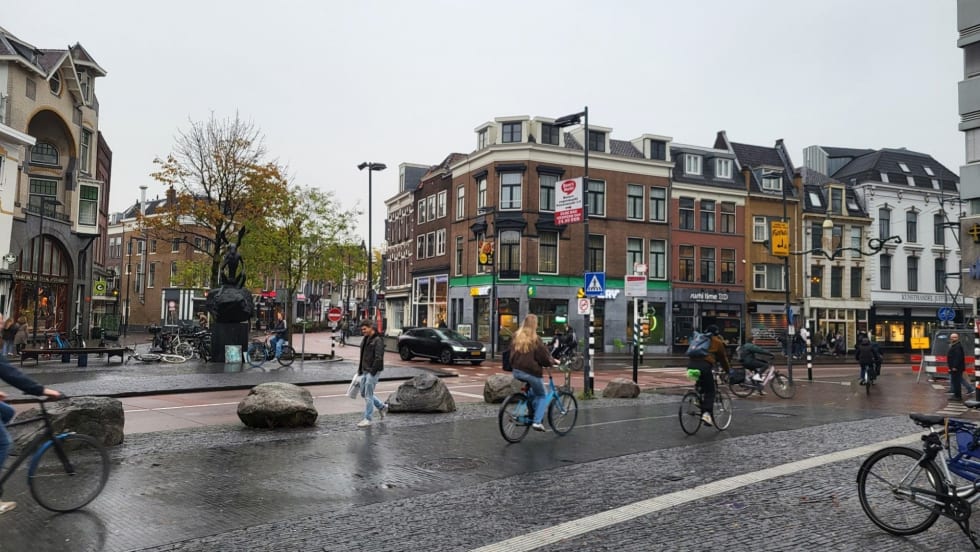
Latest Trends in Urban Mobility from Polis Conference 2025
Polis comprises cities and regions, as well as corporate partners, from across Europe, promoting the development and implementation of sustainable mobility. This year’s event had over a thousand attendees across various policy forums and an exhibition.
Read More →
Why Transit Leaders Require Better Tools for Operational Clarity In Today’s Tech-Fragmented Environment
Across North America and beyond, transit agency officials are contending with a perfect storm of operational headaches and strategic challenges that hamper daily service and long-term progress.
Read More →
The Powerless Brokers: Why California Can’t Build Transit
It is no secret that transit in the U.S. is slow and expensive to build.
Read More →
Why Transport Sustainability Should Focus on People Instead of Cars
Simply incentivizing electrification is not enough to make a meaningful impact; we must shift our focus toward prioritizing public transportation and infrastructure.
Read More →